How do I quickly adapt my build after a major balance patch?

A major balance patch can feel like a seismic event in any competitive game. The strategies you’ve perfected, the builds you’ve meticulously optimized—they can all crumble overnight. The key to staying competitive isn’t just reacting, but reacting swiftly and intelligently. This guide will walk you through the essential steps to quickly adapt your build and maintain your edge in the ever-shifting meta.
1. Deconstruct the Patch Notes with Precision
Your first and most crucial step is to meticulously read and understand the official patch notes. Don’t just skim; dig into the details. Look for direct changes to your main character/class, specific items, abilities, or mechanics you frequently use. Pay close attention to numbers: damage buffs/nerfs, cooldown adjustments, resource cost changes, and scaling modifications. Understand why the developers made these changes—are they trying to shift the meta, address overpowered elements, or empower underused ones?
Identify the most impactful changes. A small percentage nerf to a core ability might be less significant than a complete rework of a key talent or item. Note down all relevant changes, grouping them by their potential impact on your current build.
2. Identify Core Meta Shifts and Cascading Effects
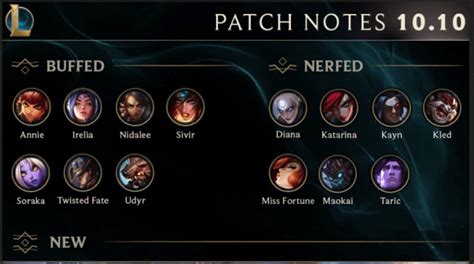
Once you understand the individual changes, think about their broader implications. How do these buffs and nerfs interact? A direct nerf to your favorite character might be less impactful if their primary counter was nerfed even harder. Conversely, a seemingly minor buff to an item could make it a new “must-have” if it synergizes powerfully with several popular characters.
Consider the “meta shifts.” Are tanks now stronger? Do burst damage characters reign supreme? Has a new playstyle become viable? These high-level trends will dictate the overall flow of games and inform your build decisions far more than isolated changes. Look for new power spikes or critical breakpoints that weren’t there before.
3. Prioritize Adaptation: What to Change First?
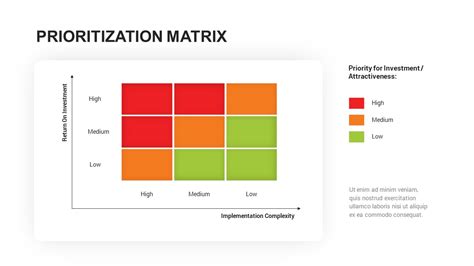
You can’t change everything at once. Focus on the most critical components of your build that have been directly affected. If your main damage ability was heavily nerfed, that’s your top priority. If a core item became significantly weaker, finding a replacement is essential. Start with the “big rocks” before moving to finer adjustments.
Consider your personal playstyle. If you rely heavily on a specific combo that no longer works due to a cooldown increase, you’ll need to re-evaluate your entire rotation. Don’t be afraid to experiment with drastic changes initially, even if they feel uncomfortable, to quickly gauge their viability.
4. Theorycrafting vs. Practical In-Game Testing
Before diving into ranked matches, spend some time theorycrafting. Use build calculators, practice tools, or even just a notepad to conceptualize new item combinations, talent trees, or ability rotations. Brainstorm several potential new builds or variations based on your analysis of the patch notes and meta shifts.
Once you have a few ideas, take them to a low-stakes environment: practice modes, unranked games, or custom matches. Test your new builds against various opponents or scenarios. Does it feel right? Does it achieve the desired impact? Often, what looks good on paper doesn’t translate perfectly to live gameplay. Be prepared to iterate based on your experiences.

5. Leverage Community Resources and Top Players
You don’t have to figure it all out alone. The gaming community is a powerful resource. Keep an eye on popular content creators, professional players, and dedicated community forums or Discord servers. Many will be theorycrafting and testing builds themselves, often sharing their findings and insights. Watching top players adapt can give you invaluable ideas and shortcuts.
However, apply a critical filter. Not all advice is good advice, and what works for a pro player might not perfectly suit your skill level or playstyle. Use these resources as a starting point for your own experimentation, rather than blindly copying them.

6. Embrace Iteration and Flexibility
The meta is a living thing; it rarely settles immediately after a patch. Expect further minor adjustments, “hotfixes,” and community discoveries to continue shaping optimal strategies. Your goal isn’t to find the “perfect” build right away, but to find a *good* build quickly, and then continue refining it.
Be flexible. Don’t become overly attached to any single build or playstyle. The most successful players are those who can continuously adapt, learn from each game, and aren’t afraid to pivot when new information or strategies emerge. Treat each game as an opportunity to test, learn, and refine your approach.
Adapting to a major balance patch is a skill in itself. By methodically analyzing changes, understanding meta shifts, prioritizing adjustments, and embracing continuous testing and community insights, you can quickly re-establish your dominance and continue enjoying your favorite game at a competitive level.