



Best method to alert gamers to urgent game-breaking update issues?
In the fast-paced world of online gaming, nothing can be more disruptive than a critical, game-breaking bug or update issue. When these problems arise, the speed and clarity with which developers communicate with their player base can be the difference between a minor setback and a full-blown community meltdown. But what truly is the best method to alert gamers to these urgent, update-related crises?
The Critical Need for Rapid Communication
Game-breaking issues, whether from a faulty patch or an unforeseen server problem, can halt progression, corrupt saves, or render a game unplayable. In such scenarios, players need immediate, actionable information. Delayed or unclear communication can lead to widespread frustration, negative reviews, and a significant drop in player engagement, directly impacting a game’s longevity and reputation.

Traditional Alert Methods: Hits and Misses
Developers often employ a range of communication channels, each with its own strengths and weaknesses when it comes to urgency:
- In-Game Notifications: Direct and immediate for players currently logged in. However, they miss players who haven’t launched the game yet or are offline.
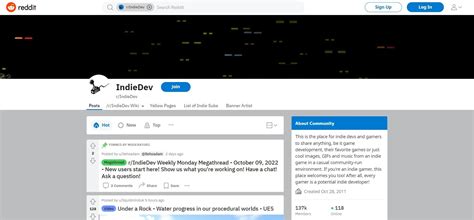
- Social Media (Twitter, Facebook, Reddit): Reaches a wide audience quickly, especially those actively following the game. But not all players use these platforms, and important messages can get lost in the feed without active monitoring.
- Official Forums/Websites: Centralized and detailed, ideal for comprehensive explanations and long-term reference. Less effective for immediate, widespread alerts as players must actively seek out the information.
- Email Newsletters: Good for general updates and marketing but far too slow and often overlooked for truly urgent, game-breaking issues.
Leveraging Modern Channels for Urgency
For truly urgent, game-breaking problems, a more direct and proactive approach is necessary, often utilizing channels that integrate directly with the player’s gaming or mobile experience:
Dedicated Launcher/Client Alerts
For PC games, the game launcher or client is often the first point of contact. A prominent, unmissable banner or pop-up here ensures that anyone attempting to play the game sees the alert before diving in. This can be coupled with a link to more detailed information on a status page.
Push Notifications (Mobile Companion Apps)
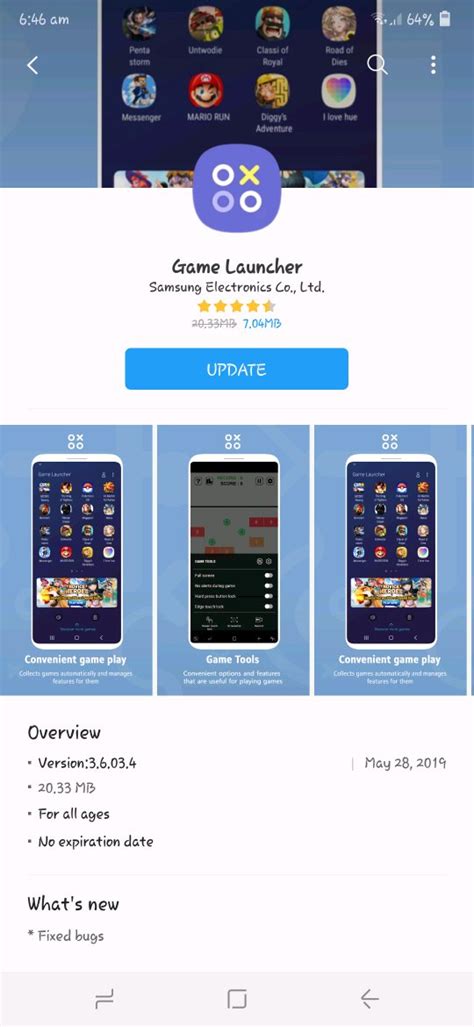
Many modern games have companion mobile apps. Leveraging push notifications through these apps can reach players directly on their phones, even when they aren’t actively thinking about the game. This requires players to have the app installed and notifications enabled, but it offers a powerful direct line for critical updates.
In-Game Pop-ups and Banners (Immediate Disruption)
For issues that affect players *currently* in-game, an immediate, unskippable pop-up or persistent banner that links to a status page is vital. While intrusive, the severity of a game-breaking bug warrants this level of disruption to prevent further frustration, progression loss, or data corruption.
Community Chat Platforms (Discord, etc.)
For games with active Discord servers or similar community hubs, a dedicated “Announcements” channel with roles that allow for mass pings can be incredibly effective. Community managers can disseminate information rapidly and engage directly with concerned players, providing real-time answers and mitigating panic.
Best Practices for Effective Alerting
Beyond the specific channel, the message itself and the overall strategy are paramount to successful urgent communication:
- Multi-Channel Approach: No single channel is perfect. A layered approach using 2-3 of the most effective methods simultaneously ensures maximum reach and redundancy.
- Clear, Concise Language: Get straight to the point. What’s the problem? Is a fix incoming? When? What should players do (or not do)? Avoid jargon and provide actionable advice.
- Transparency and Follow-Up: Acknowledge the issue, apologize for the inconvenience, and provide regular updates, even if it’s just to say “we’re still working on it.” Honesty builds trust.
- Prioritization: Not all bugs are equal. Differentiate between minor glitches and game-breaking exploits in your messaging.
- Localization: For global games, translate urgent alerts into relevant languages to ensure all players receive timely and understandable information.

The Ideal Alert System: A Unified Approach
The optimal solution likely involves a tiered and unified communication system, designed to cascade information based on urgency and detail:
- Primary Alert (Immediate, Broad Reach): A prominent game launcher/client pop-up, in-game pop-up (if applicable), and a push notification via a companion app. These should be brief and link to more info.
- Secondary Alert (Wider Community, Rapid Update): A concise social media post across all relevant platforms (Twitter, Facebook, Instagram, Reddit) and a dedicated announcement on Discord. These provide slightly more detail and are easily shareable.
- Tertiary Alert (Detailed Information, Archive): An update on the official game website/forums with comprehensive details, FAQs, a timeline for resolution, and an incident report. This serves as the single source of truth and a historical record.
Each alert should consistently link to a central status page or forum thread where players can find the most up-to-date information, reducing confusion and preventing information fragmentation.

Conclusion
Effectively alerting gamers to urgent, game-breaking update issues is a complex but vital aspect of modern game development. It requires a strategic blend of direct, proactive communication channels, clear, concise messaging, and a steadfast commitment to transparency and regular updates. By prioritizing robust communication strategies, developers can mitigate player frustration, maintain crucial player trust, and ultimately safeguard their game’s long-term health and community engagement in the face of inevitable technical challenges.