

Best training routines for consistent competitive FPS skill improvement?

Unlocking Peak Performance in Competitive FPS
For aspiring professional players and dedicated enthusiasts, simply playing competitive FPS games isn’t enough to consistently climb the ranks. True, sustained skill improvement demands a disciplined and multifaceted training routine. This article will break down the essential components of an effective training regimen designed to hone your reflexes, sharpen your strategic mind, and elevate your overall game.
The Core Pillars of FPS Mastery
Before diving into specific exercises, it’s crucial to understand the fundamental skills that contribute to success in competitive FPS titles:
- Aim & Mechanics: This encompasses raw mouse control, flicking, tracking, crosshair placement, and recoil control. It’s the foundation of winning engagements.
- Movement & Positioning: Understanding map layouts, effective peeking, evasive maneuvers, and optimizing angles for engagement. Good movement minimizes damage taken and creates opportunities.
- Game Sense & Awareness: The ability to read the game, anticipate enemy movements, understand utility usage, manage economy, and make informed decisions based on the flow of the match.
- Team Play & Communication: Clear, concise callouts, effective coordination with teammates, and adapting strategies as a unit. FPS is rarely a solo endeavor.
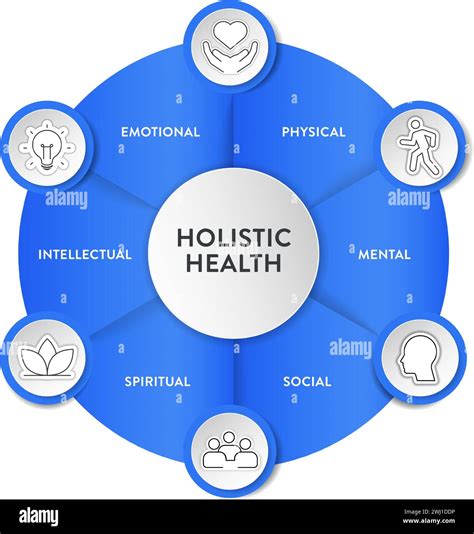
- Mental Fortitude: Maintaining composure under pressure, handling tilt, learning from mistakes, and cultivating a growth mindset.
Structuring Your Optimal Training Routine
A balanced routine integrates all these elements. Here’s a template you can adapt based on your available time and specific game:
1. The Essential Warm-up (15-30 minutes)
Never jump straight into competitive play. A proper warm-up primes your mind and muscles.
- Aim Trainers (10-15 minutes): Use dedicated software like Kovaak’s FPS Aim Trainer or Aim Lab. Focus on scenarios that challenge different aspects of aim: flicking, tracking, speed, and precision. Don’t just mindlessly play; consciously try to improve your scores.
- In-Game Warm-up (5-15 minutes): Jump into a Deathmatch, aim maps, or a practice range within your game. This helps you adjust to the game’s specific weapon feel, movement, and hitboxes.
2. Dedicated Skill Drills (30-60 minutes)
This is where targeted improvement happens. Focus on 1-2 specific weaknesses per session.
- Aim Drills (Specific): If your tracking is weak, dedicate time to tracking scenarios. If your initial flick shots are inconsistent, practice reactive flick scenarios. Incorporate recoil control practice on bots or custom maps.
- Movement Drills: Practice specific peeking techniques (jiggle peeking, wide peeking), learn advanced movement mechanics (bunny hopping, strafe jumping), and master tricky jump spots on competitive maps.
- Utility Practice: For games with grenades, smokes, or abilities, dedicate time to learning lineups and optimal usage. This can be done in custom games.
3. Game Sense & VOD Review (30-60 minutes)
The most overlooked but arguably most impactful part of a training routine.
- Self-VOD Review: Record your own competitive matches. Watch them back critically, pausing to analyze decisions. Ask yourself: Why did I die? What information did I miss? Could I have played this differently?
- Pro-Player VOD Review: Watch professional matches or streamers who explain their thought processes. Pay attention to their positioning, utility usage, and decision-making in different scenarios.
- Map Study: Dedicate time to learning callouts, common angles, and strategic positions on different maps.
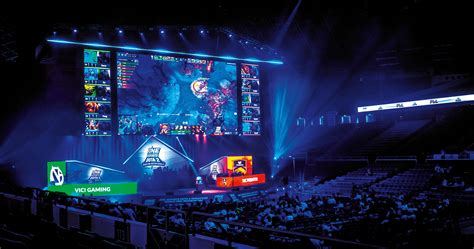
4. Scrims & Competitive Play (1-3 hours)
Apply your learned skills in a live environment. This is where you test your training.
- Focused Practice: Don’t just play to win; play to improve. If you practiced a specific peek, try to incorporate it. If you worked on communication, focus on clear callouts.
- Team Scrims: If you’re part of a team, scrims are invaluable. Work on team strategies, execute set plays, and refine communication under pressure.
5. Cool-down & Reflection (10-15 minutes)
Wind down and process your session.
- Journaling: Jot down what went well, what didn’t, and specific areas for improvement for your next session.
- Mental Reset: Step away from the screen, hydrate, and decompress. Avoid immediate queueing if you’re feeling frustrated.
The Keys to Consistent Improvement
A perfect routine is useless without execution and adaptability.
- Consistency is King: Regular, deliberate practice is far more effective than sporadic, intense bursts. Stick to your schedule as much as possible.
- Track Progress: Use aim trainer stats, VOD review notes, or even a simple spreadsheet to monitor your improvement in specific areas. Seeing progress is highly motivating.
- Adapt & Evolve: Your weaknesses will change as you improve. Periodically review your routine and adjust it to target your current most pressing areas for development. Avoid burnout by varying your drills and taking breaks.
- Mindset Matters: Approach every session with a growth mindset. Embrace mistakes as learning opportunities. Celebrate small victories.
Conclusion
Achieving consistent competitive FPS skill improvement is a marathon, not a sprint. It requires dedication, a structured approach, and a willingness to analyze and adapt. By integrating a comprehensive training routine that addresses aim, movement, game sense, team play, and mental resilience, you’ll lay a solid foundation for not just climbing the ranks, but truly mastering your craft. Dedicate yourself to the process, and watch your performance soar.