Beyond K/D, what key metrics do Esports scouts prioritize in new talent?
In the high-stakes world of esports, the Kill/Death (K/D) ratio often stands out as the most recognized metric of a player’s prowess. For many aspiring pros and casual observers, a high K/D is synonymous with skill and potential. However, for professional esports scouts and organizations, K/D is merely a superficial indicator. The true assessment of new talent delves into a complex tapestry of statistics, behaviors, and intangible qualities that paint a far more accurate picture of a player’s strategic value and long-term potential.
Beyond Raw Combat: Strategic Impact and Game Sense
While winning duels is important, professional esports is fundamentally about winning the game, which often requires more than just individual combat ability. Scouts meticulously analyze a player’s strategic impact. This includes their ability to make critical in-game decisions, their understanding of objective control, and their map awareness. Are they consistently placing wards at optimal times in MOBA games? Are they effectively isolating targets or denying areas in FPS titles? These actions, often not reflected in K/D, directly contribute to team success.
Game sense is another paramount factor. This refers to a player’s intuitive understanding of the game’s flow, anticipating enemy movements, and knowing when to engage or disengage. It’s about proactive play rather than reactive, predicting economic swings, power spikes, or choke point control. Scouts look for players who consistently demonstrate superior positional play and decision-making under pressure, turning seemingly losing situations into advantageous ones through clever maneuvers.
The Power of Synergy: Teamwork and Communication
Esports, at its core, is a team sport. An individual superstar with a phenomenal K/D might struggle if they cannot integrate effectively with a team. Scouts prioritize players who exhibit exceptional teamwork and communication skills. This involves how well they coordinate pushes, execute rotations, provide accurate and concise callouts, and support their teammates. Are they willing to sacrifice personal statistics for a team objective? Do they enable their teammates to shine through their plays?
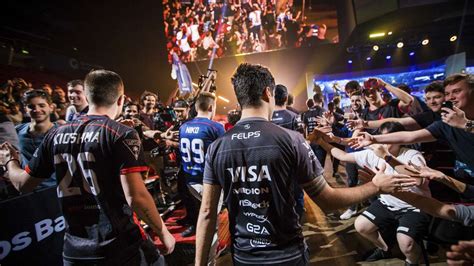
Effective communication isn’t just about making calls; it’s about clarity, timing, and emotional control. Players who can maintain calm and informative communication during chaotic moments are invaluable. Scouts also assess a player’s ability to provide constructive feedback and receive it, fostering a healthy team environment that is crucial for sustained success.
Evolving with the Meta: Adaptability and Learning Curve
The esports landscape is constantly shifting, with new patches, balance changes, and emergent strategies altering the meta. A player’s ability to adapt to these changes is a strong indicator of longevity. Scouts look for individuals who can quickly learn new characters, master updated mechanics, or adjust their playstyle to suit evolving team compositions and game versions. This demonstrates a high learning curve and a dedication to staying at the forefront of competitive play.
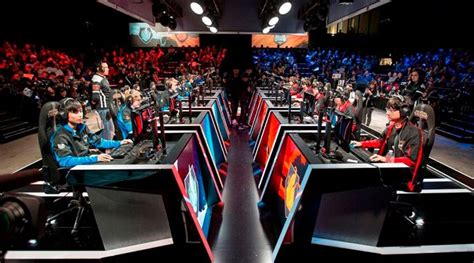
Mental flexibility and an open mind are critical. Players who are stuck in old habits or unwilling to experiment with new strategies often find themselves falling behind. The best talent shows a proactive approach to understanding and mastering new content, often leading the charge in developing innovative tactics.
Role-Specific Metrics and Consistency
Different roles within a game demand different metrics. For a support player in a MOBA, metrics like ‘wards placed,’ ‘healing done,’ or ‘assists per minute’ might be far more telling than K/D. For an entry fragger in an FPS, ‘first bloods’ or ‘opening kills’ are crucial. Scouts tailor their analysis to the specific role a player excels in, looking for consistent high performance across these specialized statistics.
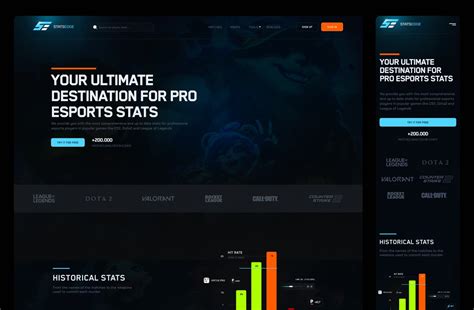
Consistency across games, tournaments, and even different emotional states is also highly valued. A player who can perform at a high level day in and day out, regardless of pressure or minor setbacks, demonstrates mental fortitude and reliability—qualities essential for professional esports careers.
The Intangibles: Coachability and Professionalism
Beyond the numbers, scouts also evaluate soft skills and a player’s overall demeanor. Is the player coachable? Do they take feedback well and actively work to improve? What is their attitude like in-game and out of game? Professionalism, a strong work ethic, and a positive mindset are critical for team cohesion and attracting sponsorships.

A player’s dedication to practice, their willingness to put in extra hours, and their ability to handle media attention are all factors that contribute to their overall attractiveness as a talent investment. Teams are not just looking for skilled players; they are looking for well-rounded individuals who can represent the organization positively and contribute to a healthy team dynamic.
Conclusion
Identifying top-tier esports talent is a sophisticated process that transcends the simplicity of the K/D ratio. Esports scouts employ a holistic approach, scrutinizing strategic impact, game sense, teamwork, communication, adaptability, role-specific metrics, and crucial soft skills like coachability and professionalism. It’s this comprehensive evaluation that uncovers players who not only dominate in individual skirmishes but can truly elevate a team to championship contention, proving that true skill in esports is far more profound than mere kills and deaths.