




Beyond wins, what key metrics do pro Esports teams value for player recruitment?

Unpacking the Modern Esports Recruitment Playbook
In the highly competitive world of professional Esports, simply having a high win rate or an impressive K/D ratio is no longer sufficient for a player to catch the eye of top-tier organizations. While raw talent and a proven track record remain fundamental, the sophistication of recruitment has evolved dramatically. Teams are now delving much deeper, employing advanced analytics and psychological assessments to identify individuals who not only perform well but also contribute positively to a cohesive, high-performing unit over the long haul. The search is for more than just a skilled gamer; it’s for a complete professional athlete.
Advanced In-Game Metrics: Beyond the Obvious
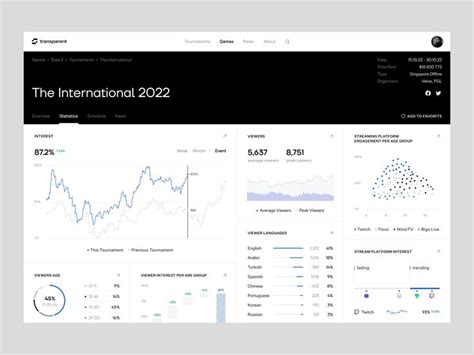
Modern Esports analytics go far beyond surface-level statistics. Teams leverage specialized software and dedicated data analysts to dissect every aspect of a player’s performance. For games like League of Legends or Dota 2, this might include gold per minute (GPM), vision score, damage dealt to champions vs. objectives, objective control rate, jungle pathing efficiency, and lane pressure statistics. In FPS titles like CS:GO or Valorant, metrics could encompass clutch round win rate, entry frag success, utility usage efficiency, grenade damage, and post-plant success rates. The key is to understand how a player achieves their results, identifying consistency, decision-making under pressure, and adaptability to various game states. A player with a low K/D but consistently high vision score and objective control might be more valuable than a high K/D player who takes risky, uncoordinated fights.
The Crucial Role of Soft Skills and Communication
Perhaps one of the most significant shifts in recruitment focus has been the emphasis on soft skills. Esports is a team sport, and effective communication is the bedrock of success. Scouts look for players who are clear, concise, and constructive in their comms, both in-game and out. Leadership qualities, the ability to give and receive constructive criticism, adaptability to strategy changes, and emotional intelligence are highly valued. A player who can maintain composure during high-stress situations, resolve conflicts maturely, and uplift teammates contributes immensely to team morale and performance. These traits often differentiate a good player from a great team player.
Mental Fortitude and Resilience Under Pressure
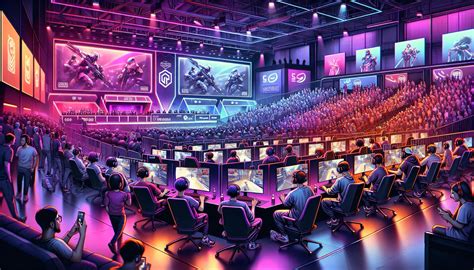
The mental game in Esports is as demanding as the mechanical one. Professional teams seek players with strong mental fortitude – individuals who can perform under immense pressure, bounce back from mistakes or losses (“tilt resistance”), and maintain focus throughout long tournaments. This involves assessing a player’s composure during critical moments, their ability to learn from errors without dwelling on them, and their overall psychological resilience. Coaches often look for a growth mindset, where players view challenges as opportunities for improvement rather than insurmountable obstacles. The ability to handle public scrutiny and maintain a positive attitude is also paramount.
Team Synergy and Role Fit: A Puzzle Piece Approach
Recruiting isn’t just about finding the best individual talent; it’s about finding the right pieces to complete a puzzle. Teams meticulously analyze how a prospective player will fit into the existing roster’s playstyle, personalities, and roles. This involves assessing their willingness to adapt, whether they are flexible in their champion/agent pool, and if their individual strengths complement those of their potential teammates. A player who understands their role within a team’s strategy and is willing to sacrifice personal statistics for collective success is invaluable. Chemistry sessions, trial periods, and interviews are often used to gauge this crucial aspect, ensuring that the new addition enhances, rather than disrupts, the team dynamic.
Growth Potential and Coachability
Finally, teams invest in potential. A player’s current skill level is important, but their capacity for growth and their coachability are often equally weighted. Scouts look for individuals who are eager to learn, open to feedback, dedicated to self-improvement, and possess a strong work ethic. A player who actively seeks VOD reviews, practices diligently, and demonstrates a clear upward trajectory in their performance is a more attractive long-term investment. This forward-looking perspective ensures that teams are not just recruiting for today’s meta but for future challenges and evolving game landscapes.
Conclusion: The Holistic Approach to Building Champions
The evolution of Esports recruitment mirrors that of traditional sports, moving towards a comprehensive, multi-faceted evaluation process. Professional teams are no longer satisfied with flashy plays or high kill counts alone. They seek a blend of advanced in-game proficiency, robust soft skills, unwavering mental strength, perfect team fit, and a strong commitment to continuous growth. By adopting this holistic approach, organizations aim to build not just rosters of talented individuals, but sustainable, championship-winning teams capable of navigating the dynamic and demanding world of professional Esports.