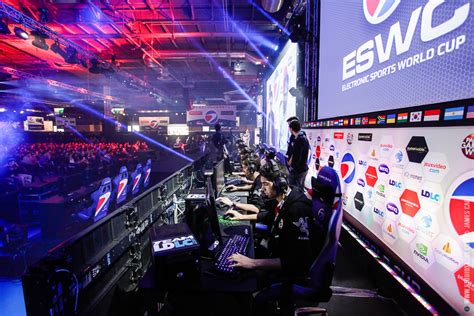
Competitive Esports: How do pros overcome tilt and maintain peak mental performance?
The Relentless Pressure Cooker of Professional Esports
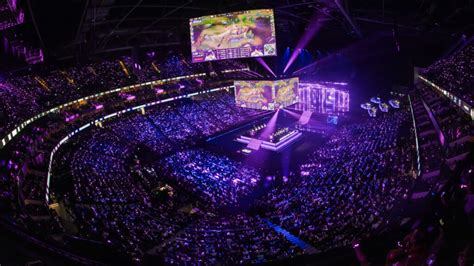
In the high-stakes world of professional esports, where millions of dollars, prestigious titles, and global recognition are on the line, mental fortitude is just as crucial as mechanical skill. The intense pressure, split-second decisions, and constant scrutiny can easily lead even the most skilled players down the path of ’tilt’ – a state of mental and emotional frustration that severely impairs performance.
But how do the elite competitors consistently navigate this psychological minefield? What are the secret weapons in their mental arsenal that allow them to overcome adversity, reset their focus, and maintain peak performance even when the game seems to be slipping away? This article delves into the sophisticated strategies and disciplined practices employed by esports pros to master their minds.
Understanding ‘Tilt’ in Competitive Gaming
At its core, ’tilt’ in esports is a psychological phenomenon where a player’s performance deteriorates due to emotional factors like frustration, anger, or anxiety. It can manifest after a series of bad plays, a teammate’s mistake, or even an opponent’s perceived unfair advantage. Once a player enters this state, their decision-making becomes clouded, their reactions slow, and their overall effectiveness diminishes, often leading to a downward spiral.
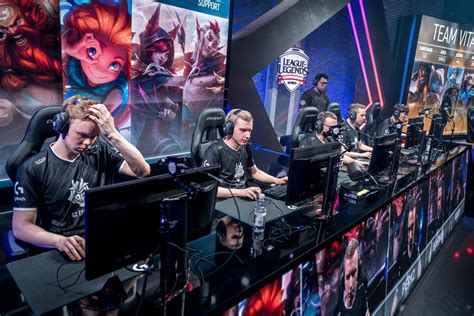
Recognizing the onset of tilt is the first critical step. Pros learn to identify personal triggers and early warning signs – whether it’s increased heart rate, tunnel vision, or negative internal monologue – allowing them to intervene before it escalates into a full-blown meltdown. This self-awareness is cultivated through extensive competitive experience and often with the guidance of mental coaches.
Strategies to Combat Tilt and Reclaim Focus
Mindfulness and Self-Regulation
Many professional players practice mindfulness techniques, such as deep breathing exercises, to calm their nervous system and bring their focus back to the present moment. A quick, conscious breath can disrupt the negative thought patterns associated with tilt, allowing for a mental reset. Some even use a specific physical cue, like touching a particular part of their gear, to anchor themselves back to a focused state.
Structured Breaks and Rituals
Between rounds or during natural pauses in gameplay, pros often have micro-rituals designed to break the cycle of negativity. This might involve standing up, stretching, looking away from the screen for a few seconds, or even a brief, positive affirmation. These small breaks prevent rumination on past mistakes and prepare them for the next engagement with a clear mind.
Effective Communication and Team Support
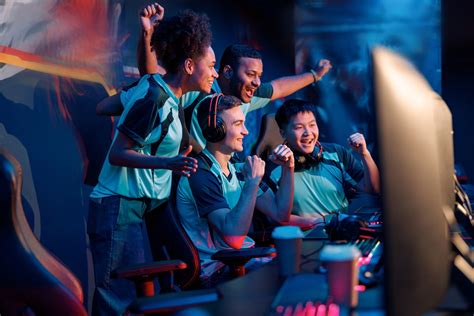
In team-based esports, communication is paramount. Pro teams emphasize positive and constructive communication, even when things are going poorly. Instead of blaming, players are trained to focus on solutions and encourage each other. A strong team dynamic provides a psychological safety net, allowing players to feel supported even when they make mistakes, thus mitigating the personal impact of tilt.
Cultivating Peak Mental Performance Consistently
Discipline and Lifestyle Choices
Maintaining peak mental performance isn’t just about what happens during the game; it’s heavily influenced by off-game habits. Professional players adhere to strict routines that include adequate sleep, balanced nutrition, and regular physical exercise. These elements are foundational for cognitive function, stress resilience, and emotional stability, all of which contribute to a strong mental state.
The Role of Sports Psychologists
Increasingly, esports organizations are integrating sports psychologists into their support staff. These professionals work with players on stress management, visualization techniques, goal setting, and developing a resilient mindset. They help players process losses constructively, turn weaknesses into growth opportunities, and build coping mechanisms for the unique pressures of competitive gaming.
A Growth Mindset and Learning from Mistakes
Elite players view losses and mistakes not as failures, but as invaluable learning opportunities. They engage in rigorous post-game analysis, not to dwell on errors, but to understand what went wrong and how to improve. This ‘growth mindset’ allows them to detach emotionally from negative outcomes, extract lessons, and apply them to future performances, continuously evolving their game and mental approach.
Conclusion: The Mental Edge in Esports
The journey to becoming an esports professional demands more than just exceptional reflexes and strategic prowess. It requires an unwavering commitment to mental mastery. By understanding the nature of tilt, employing robust self-regulation strategies, fostering positive team dynamics, and cultivating a disciplined lifestyle supported by sports psychology, pros equip themselves with the mental edge needed to thrive in the most competitive arenas.
Ultimately, the ability to perform under pressure, recover from setbacks, and maintain an optimal mental state is what separates the good players from the legends in competitive esports, proving that the battlefield is often as much in the mind as it is on the screen.