Effective comms: How to shot-call and improve team synergy in ranked?

In the high-stakes world of competitive ranked gaming, individual skill can only take you so far. The true differentiator between a good team and a great one often lies in their ability to communicate effectively and execute coordinated strategies. Effective communication, or “comms,” is the backbone of team synergy, enabling players to make split-second decisions, adapt to dynamic situations, and ultimately, secure victory. This guide delves into the principles of superior shot-calling and how disciplined communication can transform a group of individual players into a cohesive, winning unit.
The Foundation of Effective Communication
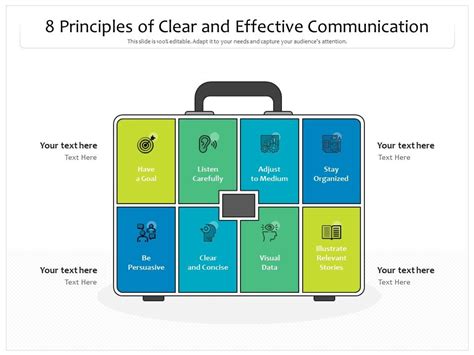
At its core, effective in-game communication is about conveying critical information efficiently and accurately. It’s not just about talking; it’s about making your words count. Key principles include:
- Clarity and Conciseness: Avoid jargon, unnecessary words, or mumbling. Get straight to the point. Instead of “I think maybe we should try to push B,” say “Push B now!”
- Timeliness and Prioritization: Information is perishable. A call about an enemy’s position is most valuable *as it happens*. Prioritize critical information (enemy ultimate status, critical health, key objective contest) over less urgent details.
- Positivity and Calm: Even in stressful situations, maintaining a calm and positive tone helps keep the team’s mental state stable. Panicked or toxic comms degrade focus and morale.
The Art of Shot-Calling
Shot-calling is the act of dictating the team’s next move, strategy, or objective. While a single designated shot-caller is often ideal, every player contributes to the overall “information flow” that feeds into these calls.
Primary Shot-Caller Role
This individual takes the lead in strategic decisions, often based on their understanding of the game’s flow, enemy movements, and team strengths. A good shot-caller:
- Analyzes the Game State: Constantly evaluates resources, ultimate economies, map control, and win conditions.
- Provides Clear Directives: Tells the team what to do, where to go, and when to engage or disengage. Examples: “Group mid, push for tower,” “Fall back, we’re outnumbered,” “Focus their healer.”
- Is Decisive: Hesitation costs games. A decisive, even if imperfect, call is often better than no call at all.
Secondary Calls and Information Relay
Every other player is responsible for feeding accurate and timely information to the primary shot-caller and the rest of the team. This includes:
- Enemy Sightings: “Enemy top lane,” “Two on our flank.”
- Ability Cooldowns: “My ultimate is up in 10,” “Enemy flash is down.”
- Health and Mana Status: “I’m low HP,” “Need mana for next fight.”
- Intentions: “I’m rotating bot,” “I’m looking for a pick.”

Building Team Synergy Through Comms
Communication isn’t just for making plays; it’s for building relationships and understanding within the team. Synergy blossoms when players trust each other’s calls and understand each other’s playstyles.
Fostering Trust and Adaptability
Trust is earned through consistent, reliable communication. When a shot-caller consistently makes good calls, or a player consistently provides accurate info, trust grows. This leads to faster reactions and less second-guessing. A synergistic team also adapts quickly – if a call goes wrong, they analyze why and adjust, rather than blame.
Positive Reinforcement and Constructive Feedback
Praise good calls and plays. (“Nice ultimate!”, “Good call to disengage!”). When feedback is needed, offer it constructively and respectfully after the game, not in the heat of the moment. Focus on the action, not the person. For example, “Next time, let’s group before pushing that objective” is better than “Why did you push alone?!”

Practical Tips for Improving Your Comms
Improving communication is an ongoing process. Here are actionable steps:
- Pre-Game Discussion: Briefly discuss roles, key strategies, and who will be the primary shot-caller. “Who wants to make calls today?”
- Active Listening: It’s not enough to speak; you must listen. Pay attention to your teammates’ calls and pings. Avoid talking over each other.
- Use Pings Effectively: Pings are a universal language. Use them to supplement verbal calls, mark danger, assist, or indicate an enemy.
- Minimize Filler Noise: Avoid excessive chatter, background noise, or personal conversations during critical moments. Your mic should be for game-relevant info only.
- Post-Game Review: After a game, especially a loss, briefly discuss what went well and what could have been communicated better. This is crucial for learning and growth.
Common Communication Pitfalls to Avoid
Even with good intentions, communication can go awry. Be mindful of these common issues:
- Over-Comms / Under-Comms: Too much chatter can be distracting; too little leaves the team in the dark. Find the right balance.
- Vagueness: “He’s over there!” is unhelpful. “Enemy support, low health, behind the blue wall” is actionable.
- Tunnel Vision: Focusing only on your own perspective without integrating information from teammates.
- Toxicity and Blame: Destroys morale and trust. If you find yourself getting frustrated, take a deep breath or mute yourself briefly.
- Repeating Information: Once a piece of information is shared, trust your teammates have heard it. Only repeat if it’s exceptionally critical or time-sensitive.

Mastering effective communication and disciplined shot-calling is not merely a supplementary skill; it is a fundamental pillar of success in competitive ranked gaming. By focusing on clarity, timeliness, and fostering a positive team environment, you and your teammates can build unbreakable synergy, make smarter plays, and consistently climb to new heights. Start practicing these principles today, and watch your ranked experience transform.