Esports scouting: What key performance metrics impress pro organizations for competitive recruitment?
The world of esports is a high-stakes arena where fractions of a second and strategic decisions can mean the difference between victory and defeat. As the industry matures, so too does the science of talent identification. Professional organizations no longer rely solely on anecdotal evidence or highlight reels; instead, they employ sophisticated scouting methods, heavily leaning on key performance metrics (KPMs) to unearth the next generation of esports superstars. But what exactly are these metrics, and how do they impress the scouts?
Beyond Raw Skill: Individual Mechanical Prowess
While flashy plays capture attention, pro teams delve deeper into a player’s raw mechanical skill. This isn’t just about kill-death ratios (KDA) but also encompasses precision, speed, and efficiency. For games like League of Legends or Dota 2, metrics like Creep Score (CS) per minute, Gold Per Minute (GPM), and damage dealt to champions are critical. In First-Person Shooters (FPS) like CS:GO or Valorant, headshot percentage, accuracy, and clutch round win rates are closely scrutinized. Scouts look for players who consistently perform at a high mechanical level, showing mastery over their chosen role and character.
Advanced analytics can even track micro-movements, reaction times, and effective Actions Per Minute (APM) in real-time strategy games like StarCraft II. These numbers provide an objective benchmark of a player’s ability to execute complex commands under pressure, distinguishing truly elite mechanics from merely good ones. Consistency across a large sample size of games is paramount; a single good game isn’t enough to impress.
The Strategic Mind: Game Sense and Decision-Making
Mechanical skill is just one piece of the puzzle. A player’s game sense, strategic understanding, and decision-making abilities are equally, if not more, crucial. Scouts analyze how players navigate the map, their warding habits (in MOBAs), their utility usage (in FPS), and their ability to anticipate opponent moves. Metrics here might include vision score, objective control rate, or successful flank attempts.
For strategic games, it’s not just about what a player does, but when and why. Did they rotate to help a struggling lane at the optimal time? Did they commit to an unfavorable team fight or recognize when to disengage? These are harder to quantify directly but are observed through gameplay analysis, often tagged and categorized by dedicated analysts. A player’s ability to make high-impact, low-risk decisions consistently points to a superior understanding of the game’s macro-level flow.
Teamwork Makes the Dream Work: Communication and Synergy
Esports is fundamentally a team endeavor. Individual brilliance is valued, but it must translate into team success. Scouts heavily evaluate communication skills, both in-game (pings, callouts) and vocal (clear, concise comms). They look for players who provide crucial information, make timely shot calls, and can articulate their intentions effectively without cluttering comms.
Synergy metrics are also vital. How well does a player mesh with their teammates? Do they adapt their playstyle to complement others? This can be seen in successful gank coordinations, perfect team fight initiations, or coordinated objective takes. Organizations often look at a player’s historical performance with different teammates to gauge their adaptability and how they elevate (or detract from) a team’s overall performance. Players who demonstrate a selfless approach and a strong understanding of team roles are highly sought after.
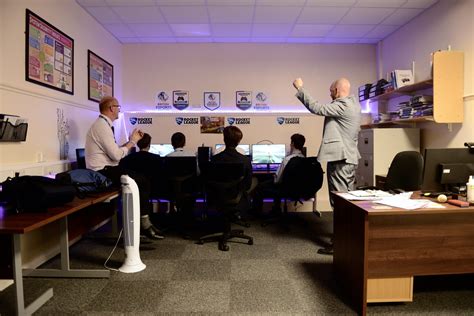
Beyond the Numbers: The Intangibles and Soft Skills
While KPMs offer objective data, professional esports demands more than just in-game prowess. Scouts and coaches pay close attention to a player’s intangibles and soft skills. These include professionalism, attitude, coachability, work ethic, and mental resilience. A player might have exceptional KPMs but be toxic, uncoachable, or prone to tilting under pressure, making them a liability.
Organizations often conduct interviews, observe players in tryouts (both in-game and team environments), and even review social media presence to assess these traits. A player who is eager to learn, takes constructive criticism well, maintains a positive attitude even in defeat, and shows consistent dedication to improvement outside of structured practice is far more appealing than a temperamental superstar. Long-term success in esports hinges not just on peak performance, but on sustained growth and a healthy team environment.

The Holistic Scouting Approach
Ultimately, professional esports organizations employ a holistic scouting approach. They don’t just look at one metric or one type of skill. Instead, they combine rigorous data analysis of KPMs with qualitative assessments of game sense, communication, and crucial soft skills. They build comprehensive player profiles, often leveraging proprietary data analysis tools and experienced coaching staff.
Scouts are looking for a complete package: a mechanically gifted player with exceptional game intelligence, who is a strong communicator, a good teammate, and possesses the mental fortitude to thrive under intense pressure. Aspiring pros need to understand that while climbing the ranked ladder is a start, demonstrating these broader skills and traits is what truly catches the eye of a top-tier esports organization.