For new game releases, what’s the optimal guide publishing strategy to capture max early traffic?

The Criticality of Early Traffic for New Game Releases
When a new video game drops, the internet explodes with players eager for help, insights, and solutions. This initial surge of curiosity represents a golden opportunity for guide creators to capture significant early traffic. Failing to capitalize on this window means missing out on a massive, highly engaged audience that can drive long-term readership, brand loyalty, and revenue. The optimal strategy isn’t just about being first; it’s about being fast, accurate, comprehensive, and strategically visible.

Phase 1: Pre-Release Hype and Foundational Content
The groundwork for launch-day success begins weeks, or even months, before the game’s official release. Savvy guide publishers immerse themselves in all available pre-release information, including developer diaries, trailers, previews, and beta tests (if accessible). This phase is crucial for identifying potential pain points, key mechanics, and common questions players will have.
- Research & Anticipation: Analyze game genre, past titles from the developer, and community discussions to predict common player needs. What are the likely beginner questions? What systems might be confusing?
- Keyword Strategy: Conduct preliminary keyword research. While specific in-game item names might not be known, broader terms like “[Game Name] beginner tips,” “[Game Name] best class,” or “how to play [Game Name]” can be targeted.
- Skeletal Guides: Prepare “shell” guides that can be quickly filled out on launch day. This includes outlines for character builds, basic mechanics explanations, or “what to do first” guides. Populate these with known information, leaving placeholders for specifics.
- Technical SEO Prep: Ensure your website is optimized for speed, mobile responsiveness, and has a robust content management system ready for rapid publishing.
Phase 2: Launch Day Blitz – Speed, Accuracy, and Immediate Needs
Launch day is a race against time. The goal is to publish high-quality, high-demand content as quickly as possible to outrank competitors and capture the immediate search traffic. Focus on the most urgent questions players will be asking.

- Essential Starter Guides: Prioritize guides covering basic controls, initial quests, character creation tips, early game progression, and common “how-to” questions that arise within the first few hours of play. Think “How to find X,” “Best starting build for Y,” or “Where is Z location.”
- Live Streaming/Playing: Have a dedicated team or individual actively playing the game from launch, documenting discoveries, and feeding information to content writers.
- Rapid Publishing Pipeline: Establish an efficient workflow for content creation, editing, and publishing. Speed is paramount, but not at the expense of accuracy.
- Leverage Social Media: Share new guides immediately across social media platforms (Twitter, Reddit, Discord) to amplify reach and draw traffic directly. Engage with player questions to identify new guide opportunities.
Phase 3: Post-Launch Dominance – Depth, Updates, and Evergreen Content
After the initial rush, the strategy shifts towards providing deeper, more comprehensive content, maintaining accuracy, and addressing evolving player needs. This phase solidifies your position as an authoritative source.

- Comprehensive Walkthroughs: Develop full main story walkthroughs, side quest guides, and detailed explanations of complex mechanics (e.g., crafting systems, end-game strategies, raid guides).
- Data-Driven Content: Monitor search analytics and community forums for unanswered questions or emerging topics. Create guides based on what players are actively seeking.
- Continuous Updates: Games evolve with patches and updates. Regularly review and update existing guides to ensure accuracy, adding new information as it becomes available. Highlight when guides have been updated.
- User-Generated Content (UGC) & Community: Foster a community around your guides. Allow comments, answer questions, and even consider integrating UGC where appropriate, crediting contributors.
Phase 4: Technical SEO and Distribution Channels
Beyond the content itself, how you present and distribute it significantly impacts early traffic capture.
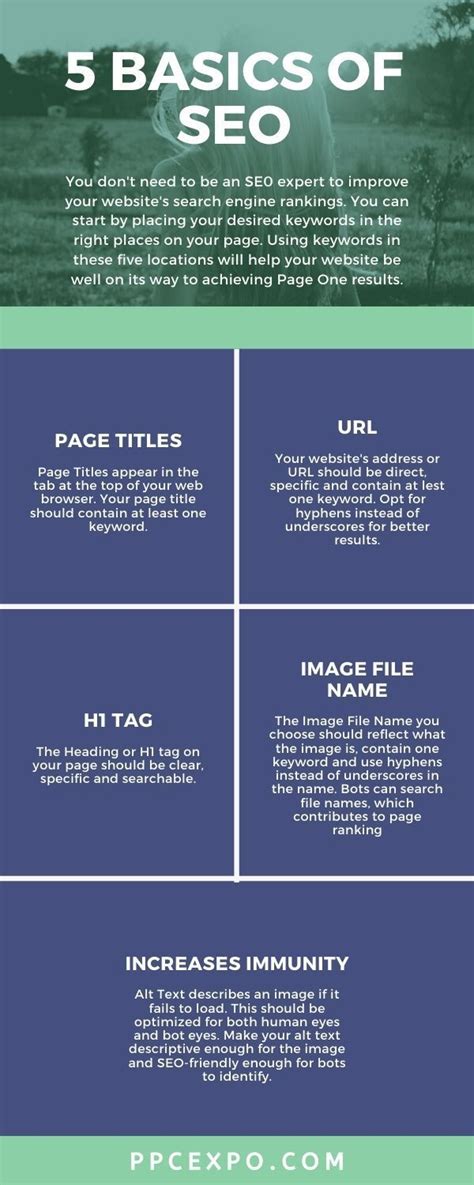
- Structured Data: Implement schema markup (e.g., HowTo, FAQPage) to enhance visibility in search engine results.
- Internal Linking: Create a robust internal linking structure to connect related guides, improving user navigation and SEO.
- External Distribution: Don’t rely solely on Google. Share content on YouTube (with video guides), Twitch (streaming gameplay and linking to guides), relevant subreddits, official game forums, and gaming news sites.
- Mobile Optimization: Ensure all guides are perfectly readable and functional on mobile devices, as a significant portion of early traffic will come from phones.
Conclusion
Capturing maximum early traffic for new game releases demands a dynamic and multifaceted strategy. It’s a sprint followed by a marathon: meticulous preparation before launch, an aggressive and accurate content burst on release day, and then a sustained effort to provide in-depth, updated, and technically optimized guides. By prioritizing speed, accuracy, comprehensiveness, and effective distribution, guide publishers can establish themselves as go-to resources, building a loyal audience that lasts long after the initial hype fades.