Gaming news: How to efficiently alert users to critical, breaking game updates?

In the dynamic and ever-evolving world of video games, critical updates can make or break a player’s experience. From urgent server maintenance and crucial bug fixes to game-changing balance adjustments and unexpected new content drops, timely dissemination of information is not just a courtesy—it’s a necessity. How can game developers and publishers cut through the noise to ensure their player base receives and understands these vital announcements efficiently?
The Imperative of Timely Communication
Players invest significant time and emotion into their favorite titles. When a critical issue arises, such as a major exploit, an unplayable bug, or a server outage, a swift and clear alert can prevent widespread frustration and maintain trust. Similarly, breaking news like the launch of a highly anticipated event or an unexpected content addition can significantly boost engagement, but only if players are aware of it in time to participate.
Overcoming Alert Fatigue and Information Overload
One of the biggest hurdles is the sheer volume of information players receive daily, both within and outside the game. Traditional methods often fall short: a simple news post on a website might be missed, while constant in-game pop-ups can lead to ‘alert fatigue,’ where players instinctively dismiss notifications without reading them. Developers must consider platform fragmentation, as players engage across PCs, consoles, and mobile devices, each with unique notification ecosystems.
Strategic In-Game Notification Systems
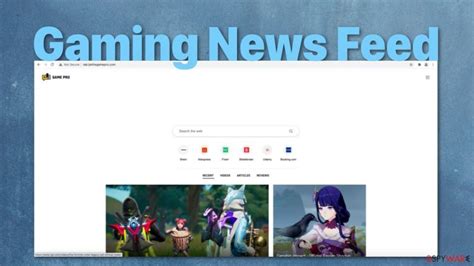
Effective in-game alerts are subtle yet persistent. Dedicated news feeds accessible from the main menu are crucial, providing a centralized hub for all updates. For critical, immediate information, a non-intrusive banner or a small, animated icon that directs players to the news feed can be more effective than a full-screen interrupt. Optional sound cues for truly urgent events, combined with a clear visual indicator, can also draw attention without being overwhelming.

Furthermore, contextual alerts—notifying players about an update relevant to their current in-game activity—can be highly impactful. For instance, if a player is about to enter a competitive match, an alert about a newly discovered exploit affecting that game mode could be presented more prominently.
Leveraging Multi-Platform External Channels
Beyond the game client, a robust multi-channel strategy is indispensable. Social media platforms (Twitter, Discord, Reddit) are immediate and reach vast audiences, especially for breaking news. Official forums serve as a detailed information repository and a place for community discussion. Email newsletters can deliver comprehensive summaries of less urgent, but still important, updates. For mobile games, push notifications are a powerful tool, but they must be used judiciously to avoid being marked as spam.

Integrating these channels, perhaps by linking directly from an in-game alert to a detailed post on a forum or social media, creates a seamless information flow for players who want to dive deeper.
Personalization and Opt-In Preferences
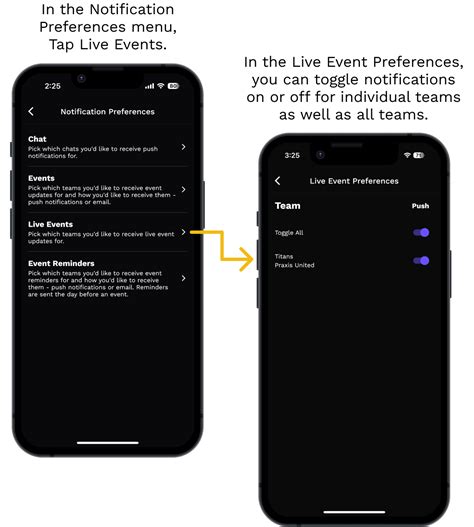
The future of efficient alerting lies in personalization. Allowing players to customize their notification preferences—what types of updates they want to receive, and via which channels—empowers them and reduces noise. Segmenting the player base based on game ownership, play style, or region can also ensure that alerts are highly relevant. For example, only players of a specific character might need to know about a balance change affecting them directly, while a server outage impacts everyone.
Best Practices for Clear and Actionable Alerts
Regardless of the channel, the message itself must be clear, concise, and provide immediate value. Alerts should state the problem or update, its impact, and what action (if any) players need to take. Including a direct link to further details is always recommended. Developers should also establish a consistent “voice” for their update communications, fostering familiarity and trust. Regular post-update communication, confirming fixes or addressing player feedback, closes the loop and reinforces positive relationships.

In conclusion, efficient alerting for critical game updates requires a thoughtful, multi-faceted approach. By combining strategic in-game notifications with robust external channel utilization, personalized preferences, and clear communication, developers can ensure their players are always informed, engaged, and ready for whatever the game world throws their way.