Gaming site: How to prioritize urgent game updates for push notifications?

In the fast-paced world of online gaming, timely and relevant communication is paramount to maintaining player engagement and satisfaction. For gaming sites, delivering urgent game updates via push notifications is a powerful tool, but without a clear prioritization strategy, it can quickly lead to notification fatigue and missed critical messages. This article explores how to effectively identify, categorize, and deliver urgent game updates to your player base.
Why Prioritization is Crucial for Gaming Sites
Players are bombarded with notifications daily. For a gaming site, indiscriminately sending out every update can dilute the impact of truly important information. Prioritization ensures that the most critical messages – those affecting gameplay, access, or significant new content – cut through the noise. This not only respects your players’ time but also builds trust, as they learn that a push notification from your site signifies something genuinely important. It prevents churn by keeping players informed about fixes to issues they care about or exciting new features they won’t want to miss.
Defining Urgency: What Makes an Update Critical?
Not all updates are created equal. Establishing clear criteria for urgency is the first step in effective prioritization. Generally, urgent updates fall into categories that significantly impact the player experience or game stability.
Game-Breaking Bugs or Exploits: Issues that prevent players from accessing the game, cause crashes, or create an unfair advantage demand immediate attention. Updates addressing these are typically top priority.
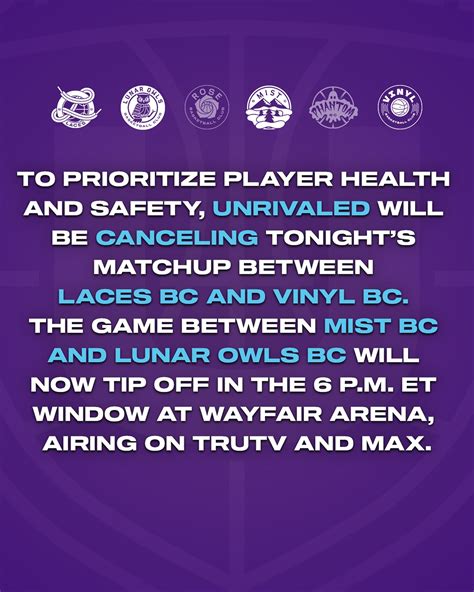
Server Downtime or Maintenance: Scheduled or unscheduled periods where players cannot access the game or specific features. While sometimes planned, unexpected outages require rapid communication to manage player expectations.
Time-Sensitive Events or Promotions: Updates announcing the start or end of limited-time events, special sales, or critical tournament windows. Missing these can mean lost opportunities for players and the platform.
Major Content Drops: While not always ‘urgent’ in the sense of a bug fix, the launch of a highly anticipated expansion, new season, or significant game mode can be considered critical for player retention and excitement, warranting prominent notification.
Establishing a Prioritization Framework
A structured approach to categorization will streamline your notification process:
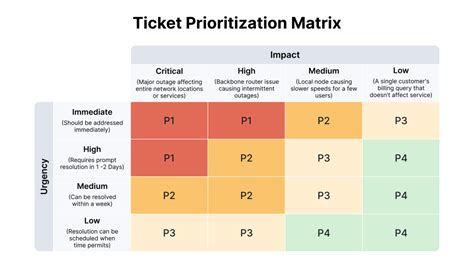
Impact vs. Immediacy Matrix: Evaluate updates based on two factors: the number of players affected and how quickly the information needs to be disseminated. An update affecting all players immediately (e.g., server crash) is top priority. An update affecting a niche group but with a flexible timeline would be lower.
Categorization System: Assign clear priority levels (e.g., Critical, High, Medium, Low). Develop internal guidelines for what constitutes each level. For instance, a ‘Critical’ update might require immediate notification to all active players, while a ‘Medium’ update could be bundled with a daily digest or sent during peak hours.
Audience Segmentation: Not every urgent update applies to every player. Leverage segmentation to target specific groups (e.g., players in a particular region, those who own specific content, or those affected by a platform-specific issue). This reduces irrelevant notifications for other players.
Best Practices for Push Notification Delivery
Once an update is prioritized, how it’s delivered is equally important:
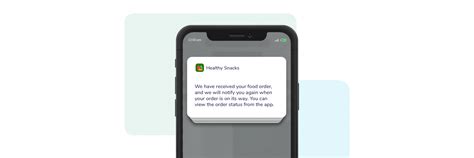
Clear and Concise Messaging: Push notifications have limited character space. Get straight to the point: what’s the update, why is it important, and what should the player do (if anything)? Use action-oriented language.
Timing Considerations: While urgent updates might override typical timing rules, generally avoid sending non-critical notifications late at night or during known low-activity periods. For truly critical issues (e.g., emergency maintenance), immediate dispatch is warranted regardless of time.
A/B Testing: Experiment with different notification copy, calls to action, and timing for less critical but still important updates to see what resonates best with your audience. Learn from your data to refine your strategy.
Personalization: Where possible, personalize notifications. Addressing a player by their in-game name or referencing content they own can increase engagement and relevance.
Tools and Technologies for Effective Management
Implementing a robust prioritization and delivery system often requires the right tools:
Dedicated Push Notification Platforms: Utilize services that offer advanced features like audience segmentation, scheduling, A/B testing, and analytics. Many CRM platforms also integrate push notification capabilities.
Internal Communication Protocols: Ensure your development, operations, and community management teams have clear protocols for identifying, classifying, and approving urgent updates for notification. A rapid response workflow is essential for truly critical issues.
Prioritizing urgent game updates for push notifications is more than just a technical task; it’s a strategic approach to player communication. By defining urgency, implementing a robust framework, adhering to best practices, and leveraging appropriate tools, gaming sites can ensure their most critical messages are heard, fostering a more informed, engaged, and loyal player community.