How can amateur Valorant players effectively scout for potential esports teams?

The dream of competing professionally in Valorant burns brightly for many amateur players. While the path to the top tier can seem daunting, effectively scouting for and joining an esports team is an achievable goal with the right strategy and dedication. This guide will walk you through actionable steps to elevate your profile and connect with potential teams.
Understanding the Esports Ecosystem
Before you start looking, it’s crucial to understand where you fit in. The Valorant esports scene isn’t just the VCT. There are vibrant Tier 2 and Tier 3 professional leagues, collegiate esports programs, and numerous amateur community leagues. Each offers different opportunities and levels of competition. Focus on identifying organizations that align with your current skill level and aspirations for growth.
- Tier 2/3 Leagues: These often feature semi-pro teams with prize pools and established coaching staff. Good for players aiming to climb.
- Collegiate Esports: Many universities offer scholarships and dedicated teams. A great option for student-athletes.
- Community Leagues & Tournaments: Perfect for gaining competitive experience, networking, and getting noticed by lower-tier teams or scouts.

Building Your Competitive Portfolio
Your in-game performance is just one piece of the puzzle; you need to present it professionally. A strong competitive portfolio acts as your resume, showcasing your skills, achievements, and potential to prospective teams.
Highlight Your VODs and Statistics
Consistently record your gameplay, especially your best performances in ranked matches or competitive scrims. Edit these VODs to highlight key clutches, intelligent plays, and effective utility usage. Beyond raw K/D, teams look for game sense, decision-making, and impactful contributions. Utilize tracking sites like Tracker.gg to compile detailed statistics that demonstrate consistency and specific strengths, such as ACS, KDA, and headshot percentage, but also less obvious stats like first bloods or plant/defuse assists.
Cultivate an Online Presence
A professional online presence goes a long way. This includes maintaining a positive and mature demeanor on social media, especially platforms popular within the gaming community like Twitter and Discord. Consider creating a dedicated YouTube channel or Twitch stream where you can upload highlight reels, full VODs, or even stream your ranked play. This allows scouts to observe your communication, attitude, and consistency over time.

Networking and Increasing Visibility
Simply being good isn’t always enough; you need to be seen and known within the community. Active networking can open doors that direct applications might not.
Engage in Discord Communities
Join official Valorant esports Discord servers, regional community hubs, and servers dedicated to finding teams or scrims. These platforms are goldmines for information, tryout announcements, and opportunities to connect with other players, team managers, and even scouts. Participate actively, offer to scrim, and be a positive force.
Participate in Unofficial Tournaments and Scrims
Regularly compete in community-run tournaments and organized scrims. These events are excellent for gaining experience, testing your skills against structured teams, and getting noticed. Often, smaller organizations or newly formed teams use these as scouting grounds. Word-of-mouth recommendations are incredibly powerful in the esports scene.

Direct Approaches and Tryouts
Once you’ve built a portfolio and started networking, you can begin making more direct approaches.
Look for Open Tryouts
Keep an eye on social media channels (especially Twitter) of organizations you admire, as well as esports news sites. Many teams, particularly in Tier 2/3, will announce open tryouts for specific roles or to fill roster spots. Be prepared to submit your portfolio and demonstrate your skills during these tryouts.
Proactive Outreach (with caution)
While less common for top-tier teams, you might identify smaller, promising organizations or newly formed teams that align with your goals. If you have a strong, well-prepared portfolio, a concise and professional message explaining your interest and qualifications can sometimes yield results. However, be respectful of their time and don’t spam. A strong recommendation from a known player or coach is far more effective.
What Teams Are Really Looking For
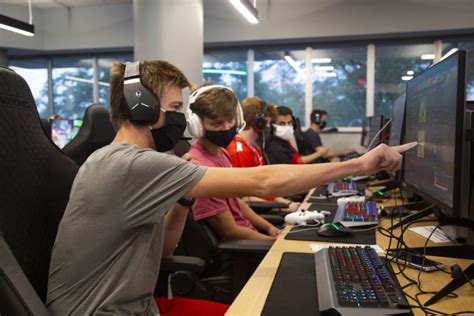
Beyond raw aim, teams prioritize several key attributes:
- Game Sense & Decision Making: Understanding macro strategies, rotations, and intelligent utility usage.
- Communication: Clear, concise, and effective comms during gameplay. Being a good shot-caller or a strong support player.
- Attitude & Coachability: A positive mindset, willingness to learn, accept feedback, and work well within a team structure. No toxic behavior.
- Role Specialization: Proficiency in specific agents or roles (e.g., Duelist, Initiator, Controller, Sentinel) and a deep understanding of their utility.
- Consistency: The ability to perform at a high level consistently, not just in isolated highlight moments.
Demonstrating these qualities throughout your scouting process will significantly improve your chances.

Conclusion
Scouting for an esports team as an amateur Valorant player is a journey that requires patience, persistent effort, and a strategic approach. By understanding the ecosystem, meticulously building your portfolio, actively networking, and approaching opportunities professionally, you can significantly increase your visibility and attract the attention of potential teams. Remember, every professional started as an amateur; your dedication to improvement and commitment to the grind will be your greatest assets.