





How can game guides cater to both new players and veterans efficiently?
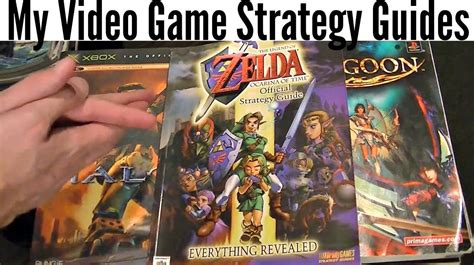
The landscape of modern gaming is incredibly diverse, bringing together players with vastly different levels of experience. From someone picking up their first controller to a seasoned gamer with thousands of hours logged, each seeks guidance for their journey. The challenge for guide creators is immense: how do you provide essential hand-holding for newcomers without boring veterans, while simultaneously offering deep, strategic insights for the experienced without overwhelming novices?
Understanding the Needs of New Players
New players are often looking for the absolute basics. They need to understand core mechanics, controls, user interface elements, and the fundamental objectives of the game. Overloading them with advanced stats, intricate lore, or optimal build paths can lead to frustration and abandonment. Guides for beginners should be:
- Clear and Concise: Simple language, step-by-step instructions.
- Visual Aids: Screenshots, mini-maps, highlighted UI elements.
- Progressive Learning: Introduce concepts gradually, building complexity over time.
- Focus on Foundation: Cover movement, combat basics, quest tracking, and initial progression.

Catering to the Veteran Audience
Veterans, on the other hand, have a solid grasp of the game’s fundamentals. They are typically interested in optimization, advanced strategies, hidden content, lore details, speedrunning tactics, or competitive play. Guides for veterans should:
- Be Data-Rich: Provide stats, damage calculations, optimal rotations, item comparisons.
- Explore Nuances: Discuss advanced mechanics, meta strategies, and obscure interactions.
- Offer In-Depth Analysis: Break down boss encounters, class builds, or raid mechanics with detailed tactics.
- Focus on Efficiency & Mastery: Help players push boundaries, achieve perfection, or discover every secret.
Strategies for Dual-Purpose Guides
Bridging this gap requires thoughtful design. The key is to provide a single resource that can be navigated differently based on player experience. Here are some effective strategies:
Layered Information & Progressive Disclosure
One of the most powerful techniques is to layer information. Start with basic explanations and offer “expandable” sections or links for more detailed insights. This allows new players to get what they need quickly, while veterans can dive deeper at their leisure.
- “Click to Reveal” Sections: Hide advanced formulas or lore behind toggle buttons.
- Beginner/Advanced Tags: Clearly label sections or paragraphs indicating their target audience.
- Separate Sub-sections: Within a main topic (e.g., “Combat”), have a “Basic Combat” and “Advanced Combat Techniques” section.

Intuitive Navigation and Indexing
A well-structured table of contents or index is crucial. New players might use a “Getting Started” or “Main Quest Walkthrough” path, while veterans might jump directly to “Endgame Builds” or “Hidden Achievements.”
- Search Functionality: Allow players to quickly find specific topics.
- Internal Linking: Cross-reference related topics, enabling players to follow their own learning path.
- Difficulty Ratings: Label sections or strategies by perceived difficulty.
Interactive Elements & Community Integration
Modern guides can leverage technology to enhance the experience for all. Interactive maps, customizable build planners, or damage calculators empower players to experiment. Integrating community comments, forums, or user-submitted tips can also add valuable perspectives from both ends of the experience spectrum.

Practical Implementation & Format Considerations
The format of the guide also plays a significant role. HTML-based guides (like wikis or dedicated websites) are inherently more flexible than static PDF documents or linear videos.
- Wiki-Style Guides: Excellent for deep linking, collaborative editing, and dynamic content updates.
- Video Guides: Can offer visual walkthroughs for beginners, but advanced players might prefer written text for quick reference. Hybrid approaches (video with detailed text descriptions) work well.
- In-Game Guides: The ultimate integration, offering contextual help without leaving the game.

Content Modularity
Think of guide content as modules. A basic module might cover “How to move.” An advanced module might be “Optimizing movement for speedrunning.” Both can exist, linked appropriately, allowing users to consume them as needed.
Ultimately, a successful guide serves as a comprehensive resource, not just a linear instruction manual. By adopting a multi-layered, modular, and navigation-friendly approach, creators can ensure their guides are valuable tools for every player, regardless of their experience level, fostering a more engaged and empowered gaming community.




