How can gaming guides balance detailed text with quick visual aids for optimal player experience?

The Evolving Challenge for Modern Gaming Guides
In the vast and intricate world of modern video games, a well-crafted guide can be the difference between player frustration and triumphant progression. However, the fundamental challenge for guide creators lies in a perpetual balancing act: how to provide the exhaustive detail necessary for complex mechanics and lore, while simultaneously offering quick, intuitive visual aids for immediate understanding. An optimal player experience demands a guide that is neither a dense wall of text nor a superficial collection of images, but rather a seamless blend of both.
The Indispensable Depth of Textual Explanations
Text remains the backbone of comprehensive gaming guides for good reason. It excels at conveying nuance, explaining abstract concepts, detailing lore, and offering strategic rationale that visuals alone often struggle to capture. Complex skill trees, intricate crafting recipes, deep narrative choices, or the precise timing required for certain abilities often necessitate written descriptions that can be carefully read and reread. Text allows for a hierarchical presentation of information, enabling players to delve as deep as they need, understanding the ‘why’ behind actions rather than just the ‘how’.
The Immediate Impact of Visual Cues
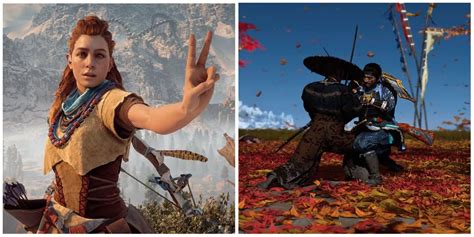
Conversely, visuals offer unparalleled speed and clarity for specific types of information. A picture is indeed worth a thousand words when it comes to illustrating a tricky jump, pinpointing an obscure item location on a map, or demonstrating a boss’s attack pattern. Screenshots, diagrams, and short video clips can bypass linguistic barriers and quickly communicate spatial relationships, sequences of actions, or visual cues that text would take paragraphs to describe. For players who are stuck in the moment or prefer learning by observation, quick visual aids are invaluable for swift problem-solving and minimizing downtime.
Strategies for Harmonious Integration
Achieving this crucial balance requires thoughtful design and an understanding of player behavior. Here are several strategies:
1. Layered Information Design
Structure guides with clear headings, subheadings, and bullet points. Start with a high-level overview (which might be visual), then provide textual details that players can click to expand or scroll down to. This allows players to quickly scan for what they need and only dive into text when deeper understanding is required.
2. Annotated Screenshots and Diagrams
Don’t just embed images; enhance them. Use arrows, circles, and text overlays directly on screenshots to highlight key areas or explain actions within the visual context. A diagram explaining a boss mechanic with numbered steps and corresponding text is far more effective than either element alone.

3. Dynamic Visuals: GIFs and Short Videos
For actions that require precise timing or a sequence of inputs, short, looping GIFs or embedded videos are incredibly effective. These can show a parkour route, a complex combo, or the solution to a puzzle without lengthy textual descriptions, while accompanying text can provide context or alternative approaches.
4. Quick Reference Call-outs and Summaries
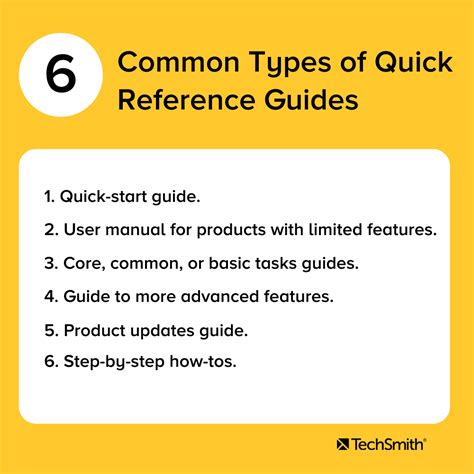
Intersperse detailed text with prominent ‘tip boxes,’ ‘summary panels,’ or ‘key takeaway’ sections that visually stand out. These can provide concise, actionable information for players who just need a quick reminder or a core piece of advice without re-reading extensive paragraphs.
Cultivating the Optimal Player Experience
The ultimate goal of balancing text and visuals is to cater to diverse learning styles and optimize the player’s journey. Some players absorb information best through reading; others are visual learners. A well-balanced guide allows individuals to choose their preferred method of consumption, reducing frustration and speeding up comprehension. It empowers players to efficiently find answers, master mechanics, and enjoy their gaming experience without feeling overwhelmed or underserved. By intelligently weaving together both forms of communication, guide creators can craft resources that are both comprehensive and immediately accessible, truly elevating the player experience.
Conclusion: The Art of Guiding Well
The art of creating an effective gaming guide lies in understanding that neither detailed text nor quick visual aids can stand alone as the sole solution. Each serves a unique purpose, and their combined strength creates a resource far more powerful than the sum of its parts. By employing thoughtful design, layering information, and strategically integrating visuals with textual depth, guide writers can achieve a harmonious balance that empowers players, minimizes frustration, and enhances the enjoyment of any game.