How can “Indie Spotlight” articles best showcase gameplay to drive player wishlists?
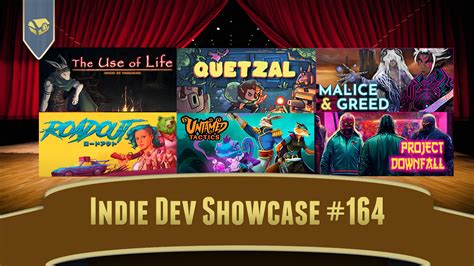
For independent game developers, securing player wishlists is a critical step towards a successful launch. An “Indie Spotlight” article serves as a powerful platform to introduce your game to a wider audience, but its true potential lies in its ability to compellingly showcase gameplay. This isn’t just about describing mechanics; it’s about making players feel the game, sparking their imagination, and ultimately, convincing them to hit that wishlist button.
The Hook: Captivating First Impressions
The initial paragraphs of any spotlight article are crucial. They need to immediately grab the reader’s attention and articulate the game’s core appeal. This involves more than just stating the genre; it requires highlighting what makes your gameplay unique and engaging. Think about the central fantasy, the primary challenge, or the innovative mechanic that sets your game apart. Use evocative language to paint a picture of the player’s experience.
Focus on the most exciting or surprising elements. Is there a unique combat system? A groundbreaking puzzle mechanic? A narrative choice system that genuinely alters outcomes? Lead with these strong points to establish immediate interest. A well-crafted hook will encourage readers to delve deeper into the article and, by extension, your game.
Deep Dive into Gameplay Mechanics
Once you have their attention, it’s time to unpack the gameplay. This section should detail the core loop, key mechanics, and player interactions without overwhelming the reader. Break down complex systems into digestible segments. Explain how player decisions impact the game world, how progression feels, and what challenges await them.
- Core Loop Explanation: Describe the minute-to-minute, hour-to-hour, and overall game progression.
- Unique Mechanics: Detail any innovative systems, controls, or interactions that differentiate your game.
- Player Agency: Emphasize how players influence the game world, their character, or the narrative.
- Challenge & Reward: Discuss the types of obstacles players will face and the satisfaction of overcoming them.
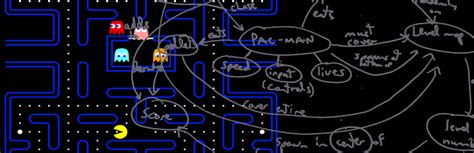
It’s often helpful to use analogies to well-known games to help readers quickly grasp concepts, but always pivot back to what makes your game distinct. Remember, the goal isn’t just to inform, but to excite. Describe the feeling of executing a perfect combo, solving an intricate puzzle, or discovering a hidden secret.
The Power of Visuals: Screenshots, Gifs, and Videos
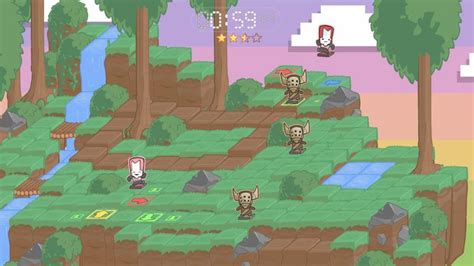
While an article is text-based, it should strongly integrate visual elements. An “Indie Spotlight” article is incomplete without rich media that literally shows the gameplay. Strategically embed screenshots, GIFs, and links to short gameplay videos that directly illustrate the mechanics being discussed. A single well-chosen GIF can often convey more about the game’s feel than several paragraphs of text.
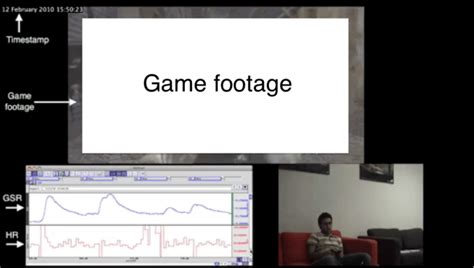
Screenshots should highlight key moments, beautiful environments, or intriguing character designs. GIFs are excellent for showcasing quick, dynamic actions, combat flows, or puzzle solutions. If a full gameplay trailer is available, ensure it’s prominently linked, preferably early in the article. Always provide context for your visuals; explain what the player is seeing and why it’s important to the gameplay experience.
Narrative & World-Building Integration
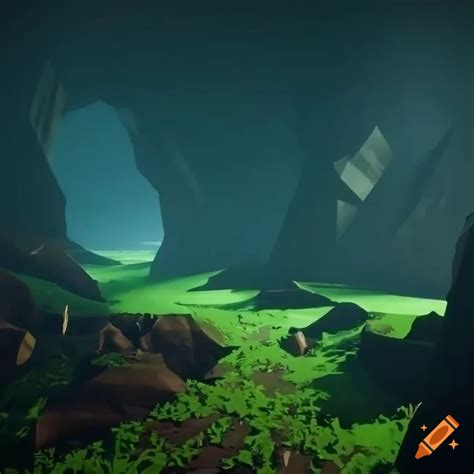
Gameplay rarely exists in a vacuum; it’s often intertwined with a compelling story or a rich world. Explain how your game’s narrative or lore enhances the gameplay experience. Does the story drive the player’s objectives? Do environmental details offer clues or deepen immersion? Discuss how the aesthetic and audio design contribute to the overall feel and atmosphere, making the gameplay more impactful.
This integration shows a cohesive vision, demonstrating that the game is more than just a set of mechanics. It adds depth and provides another reason for players to become invested, not just in playing, but in experiencing the world you’ve created.
The Call to Action: The Wishlist Imperative
Every “Indie Spotlight” article must conclude with a clear and compelling call to action: prompting readers to wishlist the game. Make it easy for them. Include direct links to your Steam page, Epic Games Store listing, or other relevant platforms. Explain why wishlisting is important for indie developers and what benefits players gain (e.g., release notifications, supporting indie creators).

Beyond the direct link, encourage engagement by inviting readers to join your community (Discord, social media) for ongoing updates and a deeper connection. A well-executed spotlight article doesn’t just inform; it converts interested readers into future players, eagerly anticipating your game’s release.
Conclusion
Crafting an effective “Indie Spotlight” article means going beyond a simple description. It requires a strategic approach to showcase gameplay, weaving together captivating text with compelling visuals and a strong call to action. By focusing on unique mechanics, player experience, and seamless media integration, developers can transform a passive read into an active desire, successfully driving those crucial player wishlists.