How can mod communities best resolve common game update compatibility issues?
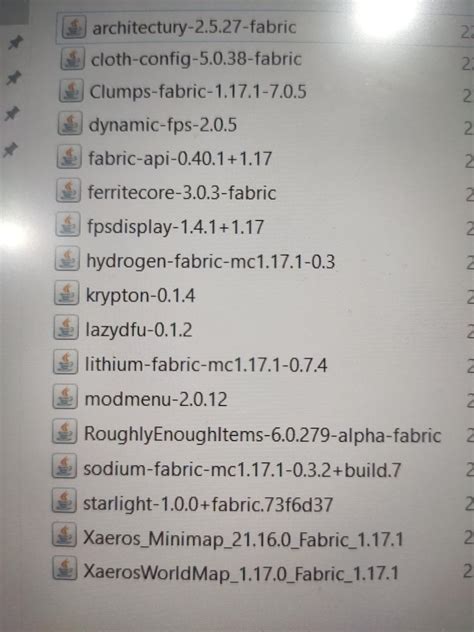
Game updates, while essential for new features, bug fixes, and performance improvements, often present a significant hurdle for modding communities. These updates can inadvertently break compatibility with existing mods, leading to crashes, glitches, or completely non-functional gameplay experiences. Successfully navigating these challenges requires a concerted effort from both mod developers and the wider player base.
Why Game Updates Break Mods
The core reason game updates disrupt mods lies in how games are structured and how mods interact with them. Developers often make changes to internal game APIs, data structures, asset paths, or even fundamental game logic. A mod designed to hook into a specific function or reference a particular asset path will fail if that function or path changes or is removed. Binary updates, engine upgrades, and scripting language modifications are common culprits that necessitate mod revisions.

Proactive Strategies for Mod Developers
Mod developers play a crucial role in mitigating compatibility issues by adopting proactive development practices.
Modular Mod Design
Designing mods with modularity in mind can significantly reduce the impact of updates. Separating core functionalities from specific game assets or UI elements allows for easier updates of individual components without overhauling the entire mod.
Version Control and Branching
Utilizing version control systems (like Git) with dedicated branches for different game versions or experimental updates allows modders to test changes without affecting the stable public release. This enables quicker adaptation once an update goes live.
Open Communication with Game Developers (When Possible)
In some cases, game developers foster a relationship with key modders, offering early access to patch notes or even beta builds. This invaluable insight allows modders to prepare their updates in advance, minimizing downtime for their users.
Reactive Strategies for Mod Communities
When an update hits, the community’s response is vital for a smooth transition.

Centralized Communication Hubs
Platforms like Discord servers, dedicated forums, or Subreddits become critical for sharing information. Players can report issues, modders can announce updates or workarounds, and community members can help identify conflicts.
Community-Driven Patching Efforts
For open-source mods or those with less active developers, the community itself might step in to create temporary patches or identify specific code lines needing adjustment. This requires a level of technical expertise within the community but can keep beloved mods alive.
Mod Load Order Management and Conflict Resolution
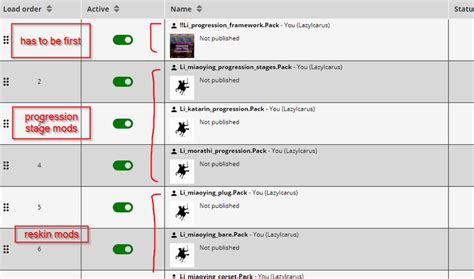
Educating users on proper mod load order and providing tools (like Mod Organizer 2, Vortex, or specific game launchers) to manage it can prevent many conflicts that aren’t directly update-related but are exacerbated by new game versions.
Tools and Best Practices
Beyond individual efforts, specific tools and community practices can streamline the resolution process.
Automated Update Checkers and Mod Managers
Sophisticated mod managers often include features to detect incompatible mod versions or even suggest updates. Automated tools that check for game updates and notify modders can give them a head start.
Community Wikis and Troubleshooting Guides
Creating and maintaining community-driven wikis with troubleshooting steps, known mod conflicts, and temporary fixes can empower players to resolve many issues themselves, reducing the burden on mod developers.
Fostering a Collaborative Environment
Ultimately, the most resilient mod communities are those that foster strong collaboration. This means encouraging new modders, sharing knowledge and resources, and providing constructive feedback rather than demanding immediate fixes. A positive and supportive environment not only helps resolve current issues but also attracts new talent to ensure the longevity of the modding scene.

Conclusion
Resolving game update compatibility issues is an ongoing dance between game developers, mod creators, and the player community. By combining proactive mod design with strong community communication, effective tools, and a collaborative spirit, mod communities can significantly reduce downtime and continue to enjoy the enriched gameplay experiences that mods provide, fostering a vibrant ecosystem for years to come.