How can we ensure our gaming patch notes & update summaries are always clear and timely?

The Critical Role of Clear and Timely Communication
In the fast-evolving world of gaming, patch notes and update summaries serve as a vital bridge between developers and their player base. They aren’t just technical logs; they are a direct line of communication that informs, educates, and reassures players about the ongoing development and health of their favorite games. When these communications are clear and timely, they foster trust, manage expectations, and can even turn potential frustrations into appreciation. Conversely, muddled or delayed information can lead to confusion, frustration, and a decline in player engagement. So, how can studios consistently hit the mark?
Clarity is Key: Making Sense of the Changes
The first pillar of effective patch notes is clarity. Players need to understand what has changed, why it changed, and how it will impact their gameplay experience. This goes beyond simply listing technical alterations.
1. Use Plain, Player-Friendly Language
Avoid excessive jargon. While developers are deeply familiar with internal terms and acronyms, the average player might not be. When technical terms are necessary, provide a brief, easy-to-understand explanation. Focus on describing the effect of a change rather than just the underlying code.

2. Structured & Digestible Formatting
A wall of text is intimidating. Break down information using clear headings, subheadings, bullet points, and bold text to highlight critical details. Categorize changes (e.g., Bug Fixes, Balance Adjustments, New Features, UI/UX Improvements) to help players quickly find what’s relevant to them.
3. Focus on Player Impact
Players want to know how an update affects *them*. Instead of just stating “Fixed bug in questline X,” explain the consequence for the player: “Fixed a bug that prevented players from completing questline X, allowing them to progress through the story.” For balance changes, briefly explain the intention behind the adjustment (e.g., “Reduced ability damage to prevent overpowered strategies and encourage diverse builds”).
Timeliness: Delivering Information When It Matters
Clarity without timeliness is like having an answer after the test is over. Information about updates is most valuable when it’s available before or immediately after the changes go live.
1. Establish Robust Internal Processes
Timely communication starts internally. Developers should be encouraged to document changes consistently as they occur. Implement a clear pipeline for consolidating these notes, with designated writers or editors responsible for translating technical details into player-facing language. This process should run parallel to development cycles, not as an afterthought.

2. Streamline the Communication Pipeline
Coordinate across departments. The development team, community managers, and marketing team must work in sync. Information about an upcoming patch should flow smoothly from development to the communication teams, allowing ample time for drafting, internal review, translation (if applicable), and scheduling for release. This avoids last-minute scrambles and potential inaccuracies.
3. Pre-Emptive & Post-Update Announcements
Whenever possible, announce upcoming updates and their general scope in advance. This manages player expectations and builds anticipation. Once the update is live, the detailed patch notes should be immediately available on all relevant platforms (game launcher, website, social media). For hotfixes, a rapid, albeit sometimes less detailed, summary is better than silence.
Leveraging Tools and Feedback for Improvement
Technology and community interaction can significantly enhance the clarity and timeliness of your update summaries.
1. Utilize Content Management Systems
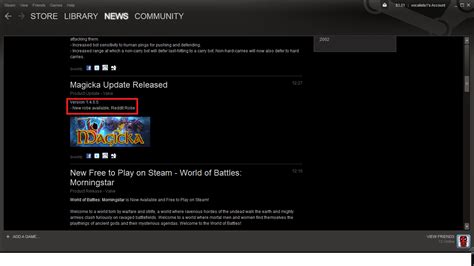
Invest in tools that facilitate the creation, review, and publication of patch notes. A well-organized CMS can ensure consistency in formatting, streamline the approval process, and allow for rapid deployment across multiple channels. Templates can also enforce structure and ensure all necessary information is included.
2. Actively Solicit Player Feedback
The best way to know if your patch notes are clear and timely is to ask your players. Monitor community forums, social media, and conduct occasional surveys specifically asking for feedback on your communication style. Are players understanding the changes? Are they receiving information fast enough? Use this invaluable input to continuously refine your approach.

Conclusion: Building Trust Through Transparency
Ensuring gaming patch notes and update summaries are consistently clear and timely is not merely a task; it’s a commitment to your player base. It requires a deliberate strategy that integrates clear language, structured presentation, efficient internal workflows, cross-departmental coordination, and a willingness to listen to your community. By prioritizing these elements, game developers can transform routine updates into opportunities to build stronger relationships, foster greater player satisfaction, and ultimately, contribute to the long-term success of their games.