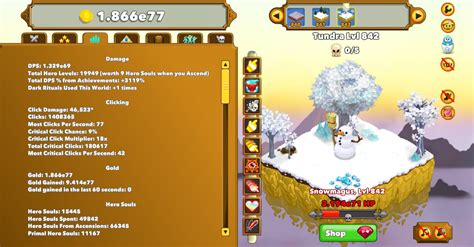
How can we optimize guide content for players seeking specific boss strategies or loot quickly?

The Quest for Efficiency: Guiding Gamers to Victory
In the fast-paced world of gaming, players often face formidable bosses or grind for elusive loot, requiring immediate and precise information. Traditional long-form guides, while comprehensive, can be a barrier to quick learning. The key to successful guide content lies in optimizing it for rapid information retrieval, ensuring players can find what they need, when they need it, without sifting through pages of irrelevant text.
This article explores practical strategies to refine guide content, making it an invaluable, time-saving resource for every gamer.
Strategic Structuring for Instant Answers
The foundation of an optimized guide is its structure. Players don’t want to read a novel; they want a blueprint. Implement clear, hierarchical headings (H2, H3, H4) that accurately reflect the content of each section. Utilize bullet points and numbered lists for steps, item breakdowns, and ability rotations. Bold crucial keywords and phrases so players can quickly scan for relevant data. A well-organized table of contents with anchor links is also indispensable for navigating lengthy guides.
Enhanced Searchability and Indexing
Even the best-structured guide is useless if it can’t be found. Optimize your guide content for search engines (SEO) using specific boss names, loot names, and strategy keywords. Beyond external search, consider internal search functions on your platform that prioritize guide content. Implement clear, descriptive URLs and meta descriptions. Tagging systems that allow filtering by game, boss, loot type, or playstyle can drastically reduce search time for players looking for something specific.
Visual Aids and Quick-Reference Infographics
A picture is worth a thousand words, especially when explaining complex boss mechanics or loot distribution. Incorporate diagrams for boss attack patterns, safe zones, or phase transitions. Use annotated screenshots to highlight critical elements. Infographics can summarize entire boss fights or loot tables, presenting a wealth of information in an easily digestible visual format. High-quality maps with marked objectives or farming routes are also incredibly useful.
Interactive Elements for Dynamic Learning
Modern guides can go beyond static text. Embed short video clips or GIFs demonstrating specific boss mechanics or optimal ability rotations. For video guides, include timestamps in the description so players can jump directly to relevant sections. Interactive elements like collapsible sections for detailed explanations or user-filterable loot tables allow players to customize their information consumption. Comment sections, moderated effectively, can also provide community-driven tips and clarifications.
Conciseness and Clarity: Cutting the Fluff
While personality and narrative can be engaging, when a player is in a hurry, they need direct answers. Prioritize brevity and clarity. Get straight to the point with strategies and facts. Avoid overly verbose explanations or lengthy anecdotes that don’t directly contribute to the player’s immediate need. Use simple, unambiguous language. If an extensive explanation is necessary, consider placing it in a separate, optional ‘deep dive’ section.

Cross-Platform Accessibility and Mobile Responsiveness
Many players access guides on secondary screens or mobile devices while playing. Ensure your guide platform is fully responsive and optimized for various screen sizes. Easy navigation, readable font sizes, and quick loading times on mobile are crucial. Minimize intrusive ads and pop-ups that hinder the quick access to information, especially on smaller screens.
Regular Updates and Community Feedback Integration
Games evolve, and so should guides. Regularly review and update your content to reflect game patches, balance changes, or new strategies discovered by the community. Establish a feedback mechanism, such as a comment section or a submission form, to allow players to report inaccuracies or suggest improvements. A living, breathing guide that incorporates community insights is far more valuable than a static one.
Conclusion: Empowering Players, Elevating Guides
Optimizing guide content for speed and specificity isn’t just about making information easier to find; it’s about respecting player time and enhancing their gaming experience. By focusing on clear structure, searchability, visual aids, interactivity, conciseness, and responsiveness, guide creators can transform their work from simple walkthroughs into essential, dynamic tools. Empowering players with quick access to precise boss strategies and loot information not only helps them overcome challenges but also fosters a stronger, more engaged gaming community.