How do gaming reviews stay relevant with ongoing patches, DLC, & long-term value?

The landscape of video game releases has dramatically shifted. What was once a static product delivered at launch is now often a dynamic, evolving experience. Games receive frequent patches, balance adjustments, new features, and substantial downloadable content (DLC) months or even years after their initial release. This constant evolution poses a significant challenge for game reviewers: how do their initial assessments remain relevant when the very product they evaluated is a moving target?
The Evolving Nature of Game Releases
Modern game development often embraces a ‘live service’ model or at least a continuous update cycle. Initial releases might be solid but incomplete, or they could be plagued by bugs that are later fixed. Patches can completely rebalance gameplay, overhaul UIs, or even add entirely new game modes. A review written on launch day might praise a certain mechanic that gets nerfed into oblivion, or criticize a bug that’s promptly squashed.
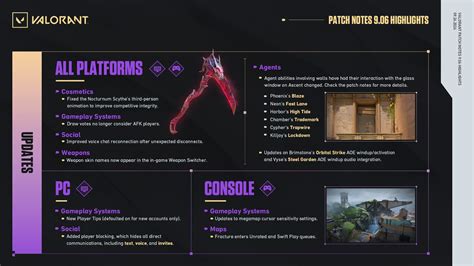
The solution isn’t to stop reviewing games at launch, but to adapt the review process. Some publications employ ‘living reviews’ where scores and content are updated to reflect significant post-launch changes. Others publish follow-up reviews specifically addressing major patches or re-evaluations after a game has been out for a considerable period. This transparency helps readers understand the review’s context and evolution.
The DLC Dilemma and Content Expansions
Downloadable content, whether free or paid, adds another layer of complexity. A game’s initial offering might be sparse, but several substantial DLC packs could transform it into a rich, sprawling experience. Conversely, excellent base games can be marred by poorly conceived or overpriced expansions. Should these be factored into the original review’s long-term relevance?
Reviewers must clarify whether their assessment covers only the base game or includes specific expansions. For significant DLC, a dedicated review or an addendum to the original piece is crucial. This helps consumers make informed decisions, especially when considering ‘complete editions’ that bundle the base game with all its expansions. The impact of DLC on a game’s narrative, mechanics, or overall value can be profound, making these updates essential considerations for ongoing relevance.
Assessing Long-Term Value and Replayability
Beyond patches and DLC, a game’s long-term value is often determined by its community, modding potential, and inherent replayability. Some games, like certain strategy titles or RPGs, are designed for hundreds of hours of play. Others, like linear single-player experiences, offer a finite but perhaps more impactful journey. How can a reviewer accurately predict or assess this long-term appeal at launch?
![The Geeky Guide to Nearly Everything: [TV] Community: Season 4](/images/aHR0cHM6Ly90czEubW0uYmluZy5uZXQvdGg/aWQ9T0lQLjRITjFjY3ZOMURUVmZEUk1oNTlwX1FIYUtjJnBpZD0xNS4x.webp)
This is where critical foresight and understanding of genre conventions come into play. Reviewers can discuss a game’s potential for replayability, its engagement hooks, and its multiplayer longevity. Over time, community sentiment and player statistics become invaluable data points. Post-launch articles or ‘where are they now’ pieces can revisit games and evaluate how they’ve held up, offering a perspective that an initial review simply cannot provide.
Modern Review Methodologies for Dynamic Games
To stay relevant, review methodologies are adapting. Some common strategies include:
- Day One Review with Post-Launch Updates: Publishing an initial review and explicitly stating that it will be updated as major patches or DLC arrive.
- Separate DLC Reviews: Treating major expansions as distinct products worthy of their own review.
- Long-Term Retrospectives: Publishing articles months or years later to evaluate a game’s enduring quality and community impact.
- Focus on Core Mechanics: Prioritizing the evaluation of fundamental gameplay and design, which are less likely to change drastically, while acknowledging potential future improvements or issues.
Ultimately, a gaming review’s relevance isn’t solely about its initial score but its utility over time. Reviewers are increasingly becoming curators and chroniclers of a game’s entire lifespan, not just its launch day. By embracing updated content, clear communication, and follow-up assessments, they can continue to guide players through the ever-changing world of video games, ensuring their insights remain valuable regardless of when a player decides to jump in.