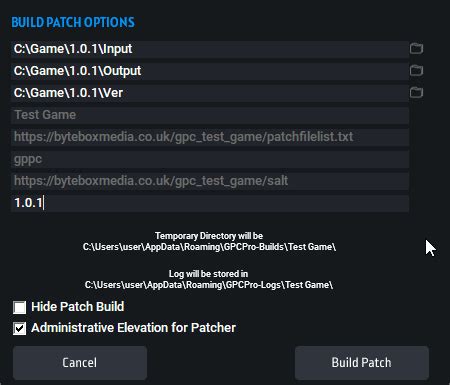
How do gaming sites keep walkthroughs updated post-patch for live service games?

The Dynamic Challenge of Live Service Games
Live service games, with their ever-evolving meta, frequent content additions, and crucial balance patches, present a unique challenge for gaming sites dedicated to providing comprehensive walkthroughs. Unlike static, single-player experiences, a ‘complete’ guide for a live service title can become outdated overnight. Maintaining accuracy and relevance requires a sophisticated, multi-pronged strategy that blends human expertise with technological solutions.

Dedicated Editorial and QA Teams
At the heart of any successful strategy are dedicated editorial and quality assurance (QA) teams. These aren’t just writers; they are often seasoned players with an intimate understanding of the game. Their responsibilities extend beyond initial guide creation to include:
- Patch Note Analysis: Scrutinizing every line of developer patch notes to identify changes impacting existing strategies, item builds, enemy behaviors, or quest flows.
- In-Game Verification: Directly testing changes in the live game environment to confirm their effects and discover undocumented alterations.
- Proactive Updates: Often beginning work on guide revisions even before a patch officially drops, using public test realms (PTRs) or early access information.
- Specialized Roles: Some sites might employ specialists for specific game aspects, like raid strategists or PvP meta analysts.
This human element is crucial for interpreting nuanced changes that automated systems might miss, ensuring that guides offer not just factual updates but also strategic insights.

Leveraging the Power of the Community
No single team, however dedicated, can match the collective knowledge and experience of a game’s entire player base. Gaming sites intelligently tap into this vast resource through various mechanisms:
- Comment Sections and Forums: Active moderation of user comments and dedicated forum sections allows players to report outdated information, suggest better strategies, or highlight new discoveries.
- Wiki-style Contributions: For some sites, especially those with a strong community focus, players can directly edit and update sections of guides, similar to a wiki. These contributions are typically peer-reviewed or editor-approved before going live.
- Community Managers: Employing community managers who actively engage with players on social media, Discord, and other platforms to gather feedback and identify emerging trends or critical bugs that need documentation.
This collaborative approach not only speeds up the update process but also fosters a sense of ownership and loyalty among the player community.

Implementing Robust Version Control and Archiving
To manage the continuous flow of updates, sophisticated content management systems (CMS) are essential. Key features include:
- Version History: Every guide revision is saved, allowing editors to revert to previous versions if a patch is rolled back or a change is deemed incorrect. This also helps in tracking the evolution of a game’s mechanics.
- Change Tracking: Tools that highlight specific changes made between different versions of a guide, making it easier for editors to review and approve updates.
- Archived Content: Some sites maintain archives of past patches and their corresponding guides, which can be invaluable for players looking into historical meta or for developers referencing old game states.
This systematic approach ensures that even amidst constant change, there’s a clear, traceable record of modifications, minimizing errors and facilitating efficient updates.

Automated Tracking and Data Mining
While human insight is irreplaceable, technology plays a growing role in streamlining the update process. Some advanced strategies include:
- API Integration: For games that offer public APIs, sites can pull real-time data on item stats, character abilities, leaderboards, and more, automatically flagging discrepancies with current guide content.
- Data Scraping: Tools can monitor official game forums, patch note pages, and developer blogs for keywords or structural changes, alerting editorial teams to potential updates.
- Performance Analytics: Tracking how players interact with guides (e.g., searches for specific terms, common questions in comments) can highlight areas where guides are unclear or outdated.
These automated systems act as an early warning system, significantly reducing the manual effort required to detect changes.
The Continuous Commitment to Accuracy
Keeping walkthroughs updated for live service games is an ongoing battle against obsolescence. It’s a testament to the dedication of gaming sites and their communities that players can consistently rely on guides that reflect the current state of their favorite games. By combining expert human analysis, robust community involvement, sophisticated content management, and intelligent automation, these platforms ensure that even the most dynamic virtual worlds remain navigable for every player.