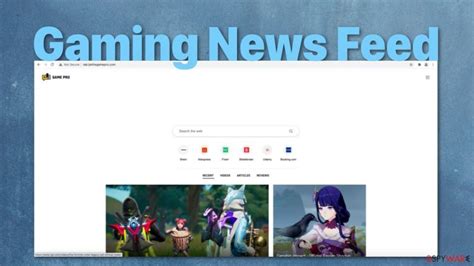
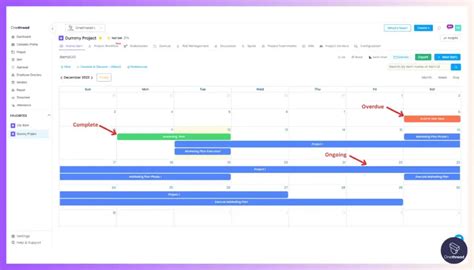
How do I filter overwhelming gaming news to see only relevant patch notes and events?
Navigating the Deluge of Gaming Information
The gaming world is a vibrant, ever-evolving landscape, constantly buzzing with announcements, trailers, reviews, and community discussions. While this abundance of information can be exciting, it often leads to information overload, making it challenging to pinpoint the critical updates that truly matter to your gameplay: patch notes and upcoming events. This guide will help you cut through the noise and build an efficient system for staying informed about what affects your game experience directly.
Why Targeted Information Matters
For competitive players, strategists, or even casual enthusiasts, missing patch notes can mean being at a disadvantage, unaware of crucial balance changes, bug fixes, or new features. Similarly, missing event announcements can lead to lost opportunities for unique rewards, limited-time experiences, or community engagement. Efficient filtering saves time and ensures you’re always playing with the most current understanding of your game.
Leveraging Official Channels for Core Updates
The most reliable source for patch notes and event schedules will always be the game developers and publishers themselves. They are the originators of this information, and it’s typically presented in a clear, authoritative manner.
Developer Websites and Forums
- Official Game Websites: Most games have a dedicated news section where major updates, patch notes, and event calendars are posted. Bookmark these directly.
- Developer Blogs: Some studios maintain a blog for more in-depth discussions about upcoming changes and future plans.
- Official Forums: Developers often post detailed notes and engage with players directly on their own forums.
In-Game Clients and Launchers
Many modern games, especially those with their own launchers (e.g., Steam, Epic Games Store, Battle.net, Riot Client), integrate news feeds directly into the client. These often highlight recent patches and active events when you launch the game.
Look for dedicated “News,” “Patch Notes,” or “Events” tabs within your game’s interface or launcher.

Harnessing Community and Aggregator Sites
While official sources are paramount, the community often provides invaluable synthesis and discussion. Aggregators can also streamline news from multiple sources.
Dedicated Game Wikis and Databases
Many popular games have extensive community-run wikis (e.g., Fandom wikis, Gamepedia). These are often meticulously updated with patch changes, item stats, and event details by passionate players. They can be excellent for quickly looking up specific changes.
Reddit Subreddits and Discord Servers
- Official/Community Subreddits: Most major games have active subreddits. Developers often post directly there, or dedicated users will meticulously compile and sticky patch notes and event info. Use Reddit’s search and “Hot” or “New” filters effectively.
- Discord Servers: Many games have official or large community Discord servers. These often feature dedicated channels for “announcements,” “patch notes,” or “events” where information is posted as soon as it’s available. Mute irrelevant channels and only follow those that provide core updates.
Gaming News Aggregators (with caution)
Sites like PC Gamer, IGN, Eurogamer, or dedicated game news sites often cover patch notes and event announcements. However, they also publish a lot of broader news, reviews, and opinion pieces. Use their search functions or follow specific categories if available, but always cross-reference critical details with official sources.

Smart Social Media and Subscription Strategies
Social media can be a double-edged sword: a source of instant updates but also overwhelming noise. Strategic following is key.
Follow Key Accounts on Social Media
- Developer/Publisher Accounts: Follow the official Twitter, Facebook, or Instagram accounts of the game’s developers and publishers.
- Community Managers: Sometimes, individual community managers or developers post more frequent or detailed updates.
- Dedicated Update Accounts: Some games have separate accounts specifically for patch notes or competitive news.
Pro Tip: Use Twitter lists to create a curated feed of *only* the accounts you want to see for game updates, bypassing your main timeline’s general noise.
RSS Feeds and Email Subscriptions
If a game’s official website or blog offers RSS feeds, subscribe to them using an RSS reader (e.g., Feedly, Inoreader). This pulls updates into one place without you needing to visit each site individually. Similarly, sign up for official email newsletters if they promise relevant updates.

Personalization and Efficiency Tips
- Create a “News Hub”: Dedicate a browser tab group, a folder of bookmarks, or even a simple document where you list all your go-to official links, subreddits, and Discord channels for each game.
- Set Up Notifications Prudently: Enable notifications only for crucial channels on Discord or specific Twitter lists. Avoid notification fatigue.
- Schedule Check-ins: Instead of constantly searching, dedicate specific times each week to check your curated sources for updates. Major patches usually follow a predictable cadence.
- Utilize In-Game Resources First: Always check the in-game news feed or event calendar first – it’s often the most direct and consolidated source for immediate relevance.
- Learn to Skim: Develop the skill of quickly scanning patch notes for keywords relevant to your main characters, playstyle, or known issues.

Conclusion
While the volume of gaming news can be daunting, gaining control over it is entirely achievable. By prioritizing official channels, strategically utilizing community resources, smart social media filtering, and employing personal organization, you can efficiently extract the essential patch notes and event information you need. Stop sifting through endless articles and start staying truly informed about the games you love.