How do modding communities manage frequent game updates and maintain mod compatibility?

The Perpetual Dance: Mods vs. Game Updates
In the dynamic world of video games, frequent updates have become a norm. Whether it’s to fix bugs, introduce new content, balance gameplay, or enhance performance, developers constantly push new versions. While this keeps games fresh and engaging, it presents a unique and persistent challenge for modding communities: maintaining mod compatibility. A single patch can break dozens, if not hundreds, of meticulously crafted modifications, rendering them unusable. So, how do these passionate communities manage this perpetual dance, ensuring their creative contributions survive the ever-shifting sands of game development?
Strategic Approaches to Compatibility
Modding communities employ several core strategies to stay ahead of, or at least keep pace with, game updates:
1. Proactive Monitoring and Communication
- Developer Announcements: Modders closely follow official game announcements, patch notes, and developer streams to anticipate upcoming changes. Many communities have dedicated channels for disseminating this information.
- Community Hubs: Platforms like Discord servers, dedicated forums, and Reddit subreddits serve as central hubs for real-time discussion, bug reports, and update statuses.
- Public Test Realms (PTRs): If a game offers a PTR, modders often dive in to test their mods against pre-release versions of updates, identifying issues before they go live.
2. Dedicated Development and Patching Teams
For larger, more complex mods or modpacks, there are often dedicated teams responsible for maintenance:
- Core Mod Developers: These individuals are the first line of defense, dissecting new game patches to understand what has changed and how it impacts their code.
- Compatibility Teams: Some communities establish specific teams focused solely on cross-mod compatibility, ensuring that different modifications can work together seamlessly after an update.
- Rapid Patching: The goal is often to release a compatibility patch for a mod as quickly as possible after a game update, sometimes within hours or days.
Tools and Techniques for Mod Management
Beyond human effort, various tools and technical approaches aid in managing mod compatibility:
1. Mod Managers and Load Orders
Tools like Nexus Mod Manager, Vortex, Mod Organizer, or specific game launchers (e.g., for Minecraft, RimWorld) are indispensable. They allow users to:
- Easily Install/Uninstall Mods: Simplifying the process, which is crucial when troubleshooting.
- Manage Load Orders: Ensuring mods are loaded in a specific sequence to prevent conflicts.
- Version Tracking: Helping users identify which mods are outdated or incompatible with the current game version.
2. Version Control Systems
Mod developers often use version control systems (e.g., Git, SVN) to manage their codebases. This allows them to:
- Track Changes: See exactly what lines of code were modified between versions.
- Branching: Work on compatibility updates on a separate branch while the stable version remains available.
- Rollback: Revert to previous working versions if an update introduces unforeseen issues.
3. API and SDK Utilization
When game developers provide official Application Programming Interfaces (APIs) or Software Development Kits (SDKs) for modding, it significantly eases the compatibility burden. These tools offer stable points of interaction, making mods less fragile against internal game code changes. However, not all games offer such robust support.
The Indispensable Role of the Community
The vast network of players forms the backbone of mod compatibility efforts:
1. Bug Reporting and Testing
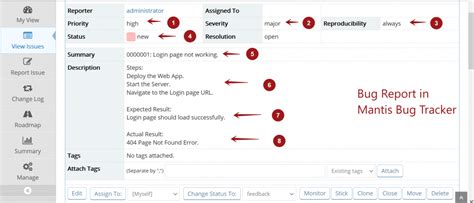
Once a game updates, millions of players become immediate testers. They report issues, provide crash logs, and detail reproduction steps, which are invaluable for mod developers to pinpoint and fix problems quickly.
2. Community Fixes and Patches
In some cases, if an original mod developer is no longer active, other community members with programming skills might step up to create unofficial compatibility patches or even take over maintenance of a popular mod.
3. Knowledge Sharing and Tutorials
Wikis, forums, and video tutorials frequently emerge to guide players through troubleshooting common issues, correctly installing mod managers, and understanding load order complexities after an update.
Looking Ahead: The Future of Mod Compatibility
As games continue to evolve, so too will the strategies for mod compatibility. We might see:
- More Integrated Modding Support: Game developers increasingly recognizing and facilitating modding, potentially leading to more stable APIs and better communication channels.
- AI-Assisted Tools: Future tools could potentially use AI to analyze game updates and suggest potential mod code adjustments, or even automate basic compatibility fixes.
- Community-Driven Frameworks: Development of more robust, universal modding frameworks that abstract away game-specific complexities.
Conclusion
Managing mod compatibility through frequent game updates is a testament to the resilience, ingenuity, and collaborative spirit of modding communities. It’s a complex, ongoing process that relies on dedicated individuals, smart tools, and the collective power of thousands of players working together. Far from being deterred by challenges, these communities continuously adapt, ensuring that the rich tapestry of player-created content continues to thrive alongside the evolving games they love.