




How do new esports players find legitimate teams and tryout opportunities?

Navigating the Path to Professional Esports
Breaking into the professional esports scene is a dream for many aspiring gamers, but the path to finding legitimate teams and tryout opportunities can often feel like a labyrinth. With the industry still rapidly evolving, distinguishing genuine prospects from less reputable ventures requires keen awareness and strategic effort. This guide will illuminate the most effective strategies for new players to connect with credible organizations and secure tryouts.

Leveraging Digital Platforms and Communities
The digital world is the primary hub for esports recruitment. Knowing where to look and how to present yourself is crucial.
Specialized Esports Recruitment Platforms
- Team-Finding Websites: Platforms like GameLeap, Teamfind, or specific game-centric sites often host forums and listings where teams post open positions and players can advertise their skills. Create a detailed profile showcasing your game history, roles, statistics, and availability.
- Esports Organizations’ Websites: Many established esports organizations have dedicated ‘careers’ or ‘player recruitment’ sections on their official websites. Keep an eye on these for direct application opportunities or talent scouting programs.
Discord Servers and Online Communities
Discord is the de facto communication platform for gamers and esports communities. Join official game Discord servers, as well as those dedicated to competitive play, scrims, and team recruitment. Many amateur and semi-pro teams scout players directly from these communities.
- Community Servers: Engage actively, participate in discussions, and look for ‘looking for team’ (LFT) or ‘looking for player’ (LFP) channels.
- Coach/Analyst Servers: Sometimes, coaches or analysts run their own Discord communities where they help players connect with teams.
Social Media and Professional Networking
Platforms like Twitter, Reddit, and LinkedIn (yes, even for esports!) can be powerful tools. Follow professional players, coaches, team managers, and esports journalists. Engaging with their content and making thoughtful contributions can help you get noticed.
Building Your Player Profile and Showcasing Skills
Teams need to see what you can do. A strong player profile is your resume.
Performance Metrics and VODs (Video on Demand)
Consistently track your in-game statistics. More importantly, record and analyze your gameplay. VODs are invaluable for demonstrating your skills, decision-making, and game sense. Upload highlights and full gameplays to platforms like YouTube or Twitch.
Streaming and Content Creation
Streaming your gameplay on Twitch or YouTube can attract attention from team scouts. It not only showcases your mechanical skill but also your communication, personality, and ability to handle pressure. Even a small, dedicated viewership can indicate a valuable asset beyond pure gameplay.
Competitive History and Tournament Participation
Participate in as many organized tournaments as possible, from local LANs to online cups. Even if you don’t win every time, consistent participation and respectable finishes demonstrate commitment and competitive experience. Keep a record of your tournament history, including team names, results, and individual performances.
Networking and Making Connections
Often, it’s not just what you know, but who you know.
Playing in Scrims and Pickup Games (PUGs)
Actively seek out high-level scrims and PUGs where you can play alongside and against better players. This is an excellent way to prove your capabilities in a competitive environment and make a good impression on potential teammates or scouts.
Attending Local Events and Online Tournaments
Be present where the competition is. Local esports cafes often host tournaments where you can meet other players and form ad-hoc teams. Online tournaments are also great for expanding your network and getting recognized.
Connecting with Established Players and Coaches
Don’t be afraid to reach out to professional players, coaches, or team managers (respectfully, of course). A simple question or a well-articulated message can sometimes open doors or lead to valuable advice. Many pros started by networking within their communities.

Identifying Legitimate Opportunities and Avoiding Scams
The esports landscape can attract bad actors. Vigilance is key.
Red Flags to Watch Out For
- Asking for Money: Legitimate teams do not ask players for money to join, try out, or cover initial expenses. This is a common scam.
- Unrealistic Promises: Be wary of teams promising immediate fame, fortune, or lucrative contracts without clear pathways or verifiable history.
- Lack of Transparency: If a team or organization is secretive about its roster, management, or past performance, proceed with caution.
- Poor Communication: Disorganized communication, vague plans, or a lack of professionalism from the outset are warning signs.
Due Diligence: Researching Teams and Organizations
Always do your homework. Research the team’s history, check their social media presence, look up their past rosters, and see if there are any reviews or discussions about them from former players or within the community. Verify their legitimacy through multiple sources.
Formal Contracts and Agreements
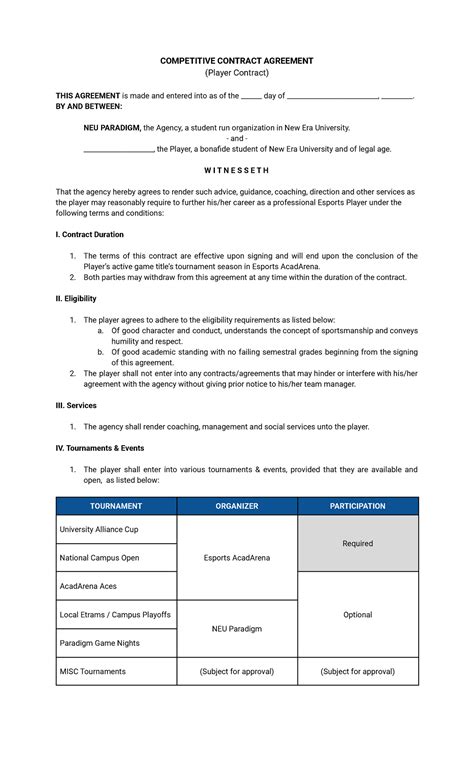
For any serious opportunity, expect a formal contract. Read it carefully, and if possible, have a trusted adult or legal professional review it. A legitimate organization will have clear terms regarding salary, prize money distribution, intellectual property, and obligations.
Excelling in Tryouts
Once you secure a tryout, make the most of it.
- Preparation is Key: Understand the team’s playstyle, common strategies, and the roles they are looking to fill. Practice extensively.
- Communication and Teamwork: Esports is a team game. Demonstrate excellent communication, shot-calling (if applicable), and a willingness to cooperate and adapt.
- Positive Attitude: Maintain a positive and coachable attitude, even if you make mistakes. Show that you are eager to learn and improve.
- Post-Tryout Follow-up: A polite thank-you message after the tryout can leave a lasting positive impression.
Conclusion: Persistence and Patience
Finding a legitimate esports team is a marathon, not a sprint. It requires consistent effort, skill development, strategic networking, and careful discernment. By actively engaging in communities, showcasing your talents effectively, and being vigilant against fraudulent schemes, new players can significantly increase their chances of securing genuine opportunities and taking their first steps towards a professional esports career.