How do top game guides balance clarity for beginners with advanced tips for pros?

Navigating the Diverse Audience Challenge
Creating an effective game guide is an intricate dance, especially when attempting to serve two vastly different demographics: the complete beginner who needs to understand core mechanics, and the seasoned professional seeking to optimize every last detail. The most successful game guides don’t just provide information; they curate an experience that allows each player type to extract maximum value without being overwhelmed or underwhelmed. This delicate balance is achieved through a combination of thoughtful structure, intelligent design, and strategic content delivery.

Layered Information: The Progressive Disclosure Model
One of the most effective strategies employed by top game guides is the concept of layered information or progressive disclosure. This approach ensures that beginners are introduced to concepts gradually, without being bombarded with advanced terminology or complex strategies from the outset. Guides often start with fundamental controls, basic objectives, and core game loops.
Starting with the Fundamentals
For beginners, guides typically dedicate sections to:
- Basic Controls and UI Explanation: What do all the buttons do? What information is displayed on screen?
- Core Mechanics: How do movement, combat, resource gathering, or spellcasting fundamentally work?
- Objective Overviews: What are the initial goals and how do players achieve them?
As the guide progresses, it gradually introduces more complex layers. Advanced tips, intricate combos, optimization routes, and meta-game analysis are reserved for later sections or clearly marked ‘Advanced’ chapters. This prevents beginners from feeling intimidated while allowing pros to quickly navigate to the depth they require.
Dedicated Sections and Modular Content
Many comprehensive guides segment their content explicitly for different skill levels. You’ll often find clearly labeled sections such as ‘Beginner’s Guide,’ ‘Intermediate Strategies,’ and ‘Pro Tips’ or ‘Advanced Builds.’ This modular approach allows users to jump directly to the information relevant to their current skill level or specific questions.
- Beginner Sections: Focus on safety, understanding, and basic proficiency.
- Advanced Sections: Dive into optimal rotations, frame data, counter-play, theoretical maximums, and intricate build paths.
Furthermore, guides often use sidebars, expandable sections, or external links to offer deeper dives into specific topics. A beginner might read a basic explanation of a character’s ability, while a pro can click an ‘Advanced Analysis’ link to find detailed statistics, optimal usage scenarios, and counter-strategies.
Clarity Through Visuals, Examples, and Consistent Terminology
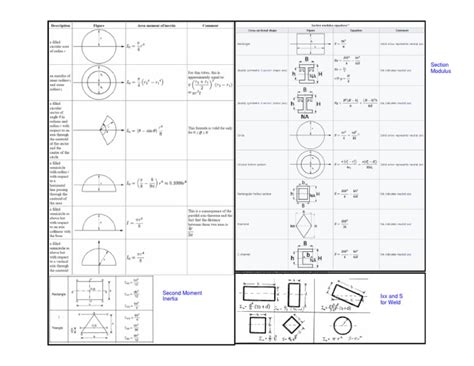
Visual aids are invaluable for both types of players. Diagrams, screenshots with annotations, and embedded video clips can simplify complex explanations. For beginners, a diagram showing enemy attack patterns is far more effective than a textual description. For pros, a video showcasing a precise movement technique or a specific combo timing can convey information more efficiently than pages of text.
Using consistent terminology throughout the guide is also crucial. Beginners learn the correct names for items, abilities, and locations, which then serves as a foundation for understanding more advanced discussions. Pros benefit from this consistency by being able to quickly parse information without having to interpret new jargon.

Strategic Formatting and Navigation
The best guides are not just rich in content but also easy to navigate. Clear headings (H2, H3, H4), bullet points, numbered lists, and bold text break up long paragraphs, making the content scannable. A robust table of contents, often with clickable links, allows users to jump to specific sections immediately. Search functionality within the guide is also paramount, enabling both beginners and pros to quickly find answers to their specific queries.
Furthermore, glossary sections define game-specific terms, ensuring beginners aren’t lost, and serving as a quick reference for even experienced players encountering unfamiliar terminology from a different game or community.
Community Input and Evolving Content
The gaming landscape is constantly evolving with patches, updates, and emerging meta-strategies. Top guides are living documents that incorporate community feedback and adapt to changes. Forums, comment sections, or dedicated Discord channels allow players to ask questions, suggest improvements, and share their own discoveries. This feedback loop helps guide creators refine their content, clarify ambiguities for beginners, and integrate cutting-edge strategies for pros.
Regular updates ensure that the guide remains relevant. Patch notes analysis, new character/item strategies, and adjustments to existing content keep the guide valuable to both new and returning players. This commitment to continuous improvement solidifies a guide’s reputation as a go-to resource.

Conclusion: The Art of Inclusivity
Ultimately, balancing clarity for beginners with advanced tips for pros in game guides is an art form. It requires a deep understanding of the game, an empathetic perspective on the player journey, and a meticulous approach to content organization. By employing layered information, dedicated sections, compelling visuals, thoughtful formatting, and an open ear to community input, top game guides transcend simple instruction. They become comprehensive resources that empower every player, regardless of their skill level, to fully enjoy and excel in the games they love.