How do we balance guide detail for completionists with quick tips for casual gamers?
Creating a truly effective game guide means serving two very different masters: the completionist who meticulously seeks every secret and achievement, and the casual gamer who simply wants to overcome a challenging boss or find a specific item quickly. Bridging this gap without overwhelming one group or underserving the other is a critical design challenge for any guide writer.
Understanding Your Diverse Audience
Completionists thrive on exhaustive information. They want every collectible location, every side quest step-by-step, every optimal build, and all potential lore implications. For them, a guide is a roadmap to 100% mastery, and they appreciate thoroughness, even if it means sifting through a lot of text. Their engagement is long-term and deep.
Conversely, casual gamers often play for relaxation or quick bursts of entertainment. They typically seek immediate solutions to specific problems: how to beat a particular level, where to find a needed upgrade, or a simple explanation of a game mechanic. They need clarity, conciseness, and easily digestible information, often in a hurry.
Strategic Guide Structure: The Modular Approach
The most effective way to cater to both audiences is through a modular and hierarchical guide structure. Think of your guide as a building with many rooms, clearly labeled, allowing users to go directly to what they need or explore every corner at their leisure.
- Clear Headings and Subheadings: Utilize
<h2>,<h3>, and<h4>tags effectively to break down content into logical, searchable sections. - Table of Contents: An interactive table of contents (TOC) at the beginning is crucial. This allows completionists to see the full scope of the guide and casual players to jump straight to their topic of interest.
- Quick Reference Sections: Dedicate specific areas, often at the start of a chapter or section, for “Quick Tips,” “Boss Strategies at a Glance,” or “Key Collectibles.” These should use bullet points, bold text, and concise language.
Instant Gratification for Casual Players
For the casual player, speed and accessibility are paramount. Implement features that allow them to get the information they need with minimal effort:
- Summary Boxes: Use distinct, visually highlighted boxes for critical information like boss weaknesses, puzzle solutions, or essential item locations.
- Keywords and Searchability: Ensure your guide is rich with relevant keywords. If published online, a robust search function on the guide page is invaluable.
- Early Placement of Key Information: For core gameplay mechanics or common early-game challenges, place quick tips and essential advice near the top of the relevant sections.
Deep Dives for the Completionist
While casual players are looking for brevity, completionists crave depth. Provide this without cluttering the quick-tip sections:
- Dedicated Sections: Create separate sections for “100% Completion Checklist,” “All Collectibles Guide,” “Side Quests & Optional Content,” or “Lore & Story Analysis.”
- Progressive Disclosure: Use expandable sections (e.g., “Click to reveal detailed steps” or “Show Spoilers”) or separate linked pages for highly detailed or spoiler-heavy content. This keeps the main flow clean while offering depth on demand.
- Detailed Step-by-Step Walkthroughs: For complex quests or intricate puzzles, provide granular instructions, often numbered, with precise directions and environmental cues.
Leveraging Visual Aids
Visuals are universally helpful but serve different purposes for each audience:
- Maps: A comprehensive map with all points of interest marked is a completionist’s dream. A simpler, zoomed-in map highlighting a specific objective helps a casual player. Consider offering both.
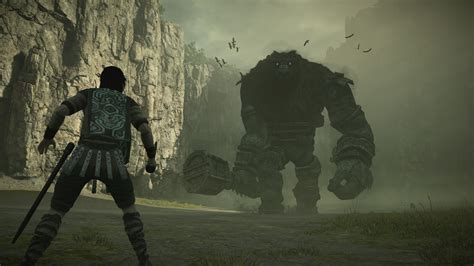
- Screenshots: Use screenshots to illustrate exact locations, puzzle solutions, or visual cues. For casual players, a single clear screenshot can replace paragraphs of text.
- Flowcharts and Diagrams: For complex mechanics, skill trees, or branching quests, flowcharts can clarify information quickly for both types of players, making intricate systems digestible.
- Video Embeds: For particularly tricky jumps, boss fights, or puzzle solutions, embedding short video clips can be incredibly effective, catering especially to visual learners and those in a hurry.
The Blended Solution: A Seamless Experience
The ultimate goal is to create a guide where both types of players feel valued and can easily find what they need. This means thinking about the user journey from the very first click.
- Introduction & Guide Overview: Start with an explanation of how the guide is structured. Let users know where to find quick tips and where to find comprehensive details.
- Consistent Formatting: Use consistent formatting for quick tips (e.g., bold, specific color) versus detailed explanations to create visual cues that users can quickly learn to recognize.
- Internal Linking: Thoroughly link between related sections. A quick tip might link to a more detailed explanation, or a collectible entry might link back to a main quest section.
Balancing detail for completionists with quick tips for casual gamers isn’t about compromising; it’s about intelligent design. By implementing modular structures, clear navigation, progressive disclosure, and effective visual aids, guide writers can create comprehensive resources that cater to the diverse needs of the entire gaming community, ensuring every player finds the exact level of assistance they desire.