How do we keep gaming guides accurate and updated post-launch patches or DLC?

The Ever-Evolving Game Landscape
In the dynamic world of video games, a guide published on launch day can quickly become outdated. Developers constantly release patches to fix bugs, balance gameplay, add new features, and expand the experience with downloadable content (DLC). For players seeking reliable information, an inaccurate guide is worse than no guide at all. The challenge for guide creators and publishers is not just producing comprehensive content initially, but also establishing robust systems to ensure its long-term accuracy and relevance.
Strategies for Proactive Guide Maintenance
Keeping guides current demands a dedicated approach that goes beyond the initial publication. It involves a combination of internal processes, community engagement, and technological solutions.
Dedicated Update Teams and Processes
Professional gaming guide platforms often employ dedicated teams whose primary role is to monitor game updates. These teams include editors and sometimes even dedicated playtesters who specialize in specific games. Their process typically involves:
- Monitoring Official Channels: Regularly checking developer blogs, patch notes, social media, and forums for announcements of upcoming patches or DLC.
- Impact Assessment: Analyzing patch notes to identify which sections of existing guides will be affected (e.g., character builds, item stats, quest steps, map layouts).
- Playtesting and Verification: For significant changes, team members will actively play the updated game content to verify patch notes and discover undocumented changes.
- Scheduled Review Cycles: Implementing a system where popular or complex guides are regularly reviewed, even if no major patches are announced, to catch minor changes or refine existing information.

Leveraging Community Feedback and Collaboration
No single team can catch every change in every game. The vast and passionate gaming community is an invaluable resource for identifying discrepancies and suggesting improvements. Effective strategies include:
- Feedback Systems: Implementing clear channels for users to report errors or suggest updates directly on guide pages, such as comment sections or dedicated feedback forms.
- Community-Driven Wikis: Supporting or contributing to community-run wikis where players can collaboratively update information, leveraging collective knowledge.
- Forum Engagement: Actively participating in game-specific forums or Reddit communities to gauge player sentiment and identify common pain points or changes that affect gameplay.

Modular Guide Design and Version Control
The way a guide is structured can significantly impact the ease of updating it. A well-designed guide is easier to maintain:
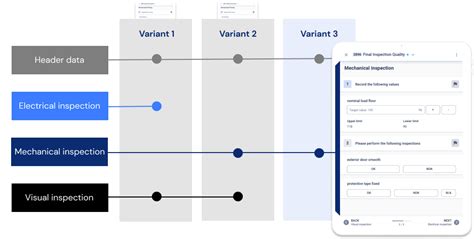
- Modular Sections: Breaking guides into distinct, self-contained sections (e.g., ‘Character Builds – Patch 1.2’, ‘Quest Walkthrough – DLC 1’) allows for specific parts to be updated without overhauling the entire document.
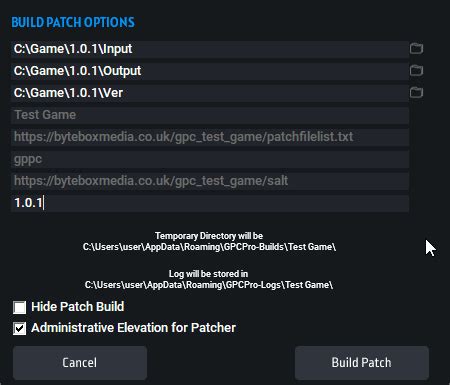
- Clear Version Labeling: Prominently displaying the game version or patch number a guide corresponds to. This manages reader expectations and helps users quickly identify if a guide is relevant to their current game client.
- Change Logs: Including a small ‘Change Log’ or ‘Update History’ section at the beginning or end of a guide to briefly list recent modifications and the date they were made.
Monitoring Patch Notes and Developer Roadmaps
Staying ahead of the curve means actively consuming information directly from the source. Publishers and guide creators need to subscribe to official developer announcements, RSS feeds, and newsletters. Understanding a game’s future roadmap can help anticipate upcoming changes and prepare guides in advance. This proactive approach minimizes the reactive scramble when a major patch drops.
Prioritization and Communication
When multiple games or guides require updates simultaneously, prioritization is key. Critical changes that significantly alter gameplay or invalidate core strategies should take precedence. Furthermore, transparent communication with readers is vital. Informing users about ongoing update efforts or temporary inaccuracies can help manage expectations and build trust.
The Future of Dynamic Game Guides
As games continue to evolve, so too will the methods for maintaining their guides. We may see more integration of AI to automatically flag potential inaccuracies based on game data, or more interactive guides that pull live data from game APIs (where available) to display real-time statistics. The concept of a ‘living document’ for game guides will only become more prevalent, requiring platforms to be agile, responsive, and deeply connected to the pulse of the gaming world.

Conclusion
Keeping gaming guides accurate and updated post-launch is a continuous, labor-intensive, but crucial endeavor. By combining dedicated editorial oversight, leveraging community insights, employing smart structural design, and maintaining proactive vigilance, guide creators can ensure their content remains a trusted and valuable resource for gamers navigating the ever-changing landscapes of their favorite virtual worlds.