





How do we keep gaming reviews fresh & useful for ever-evolving live-service titles?

The Shifting Landscape of Gaming Evaluation
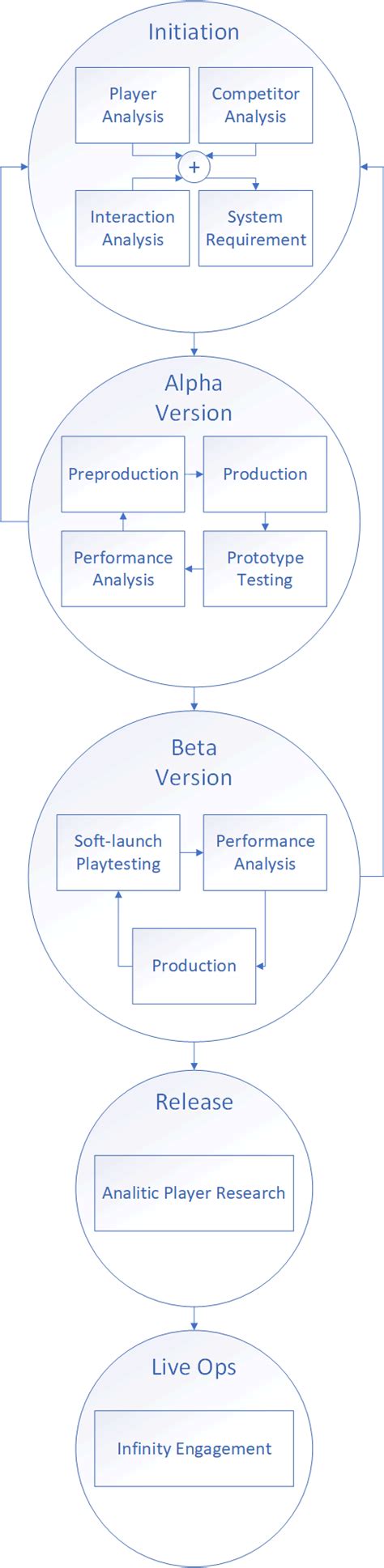
The gaming industry has undergone a significant transformation with the rise of live-service titles. Games like Fortnite, Destiny 2, Apex Legends, and Genshin Impact aren’t static products; they are dynamic, ever-evolving ecosystems that frequently introduce new content, mechanics, balance changes, and monetization strategies. This constant evolution poses a fundamental challenge to the traditional review model, which typically delivers a definitive score or assessment at launch. How can a single review, published on day one, remain relevant and useful months or even years down the line?
The Pitfalls of Traditional Launch Reviews
A conventional game review captures a snapshot of a game at a specific moment in time—usually its release. For single-player, self-contained experiences, this works perfectly. However, for live-service titles, that initial assessment can quickly become outdated, misleading, or even irrelevant. A game might launch in a buggy, content-sparse state, receiving poor reviews, only to blossom into a beloved experience years later (e.g., No Man’s Sky, Final Fantasy XIV). Conversely, a game could launch strong but suffer from poor content updates, aggressive monetization, or neglect, gradually eroding its initial goodwill.
Players seeking to make informed purchasing decisions or choose where to invest their time need current information. Relying on an 18-month-old review for a game that has seen five major seasons, a dozen patches, and a complete overhaul of its progression system is simply inadequate.
Introducing the ‘Review-as-a-Service’ Model
To address this challenge, the gaming media needs to adopt a ‘Review-as-a-Service’ (RaaS) approach, treating reviews not as final verdicts but as living documents. This model acknowledges the ongoing nature of live-service titles and commits to continuous evaluation. It’s less about a singular score and more about an evolving narrative that reflects the game’s journey.
Core Pillars of Dynamic Live-Service Reviews
Initial Score vs. Evolving Assessment
The launch review still holds value as a first impression. It sets the baseline. However, it should be clearly marked as such, with a prominent ‘last updated’ date and an expectation for future revisions. Instead of a single, immutable score, a ‘living score’ or a rating accompanied by a clear trend indicator could be implemented.
What to Track: Content, Monetization, Community, Technical Performance
Dynamic reviews must focus on key areas that frequently change: new content (expansions, seasons, events), monetization practices (battle passes, loot boxes, cosmetics), community health and developer communication, technical stability, and overall player experience. Each major update or season should trigger an addendum or a full re-evaluation of relevant sections.
Transparency and Versioning
Transparency is paramount. Every update to a review should be clearly logged, detailing what changed, why, and how it impacted the overall assessment. A clear versioning system would help readers track the review’s evolution, allowing them to compare different periods of the game’s life cycle. This might involve a dedicated section for update notes or a series of dated follow-up articles linked to the original.
Leveraging Community Feedback
While journalistic integrity requires independent evaluation, integrating filtered, qualitative community feedback can provide valuable context. Understanding widespread player sentiment, common complaints, or celebrated improvements can enrich a review’s perspective, especially for games heavily reliant on player-to-player interaction.

Challenges and the Path Forward
Implementing a RaaS model isn’t without its difficulties. It demands significant resources from reviewers and publications—more time, consistent engagement with fewer games, and specialized expertise in tracking ongoing developments. Reviewers would need to balance covering new releases with maintaining evergreen reviews. Potential solutions include dedicated ‘live-service review’ teams, collaborative efforts between critics, or leveraging AI tools for tracking game updates and community sentiment as a preliminary filter for human review.

Conclusion: Adapting to the New Frontier
The traditional review model is ill-equipped for the dynamic nature of live-service titles. To remain relevant, useful, and trustworthy, gaming reviews must evolve. By embracing a ‘Review-as-a-Service’ approach, critics can provide players with up-to-date, comprehensive evaluations that reflect the true state of these ever-changing games, ultimately serving the community better and upholding the integrity of game journalism in the modern era.



