





How do you make long game guides easily scannable for specific tips without spoilers?

The Scannability Challenge: Balancing Detail and Discovery
Long game guides are invaluable resources, offering solutions to puzzles, strategies for boss fights, and pathways through intricate levels. However, their very length can be a barrier. Players often seek specific answers quickly, and the fear of stumbling upon crucial story spoilers can deter them from even opening a guide. The art, then, lies in crafting content that is both comprehensive and easily navigable, allowing users to pinpoint what they need without ruining their journey.
Mastering Structural Elements for Quick Navigation
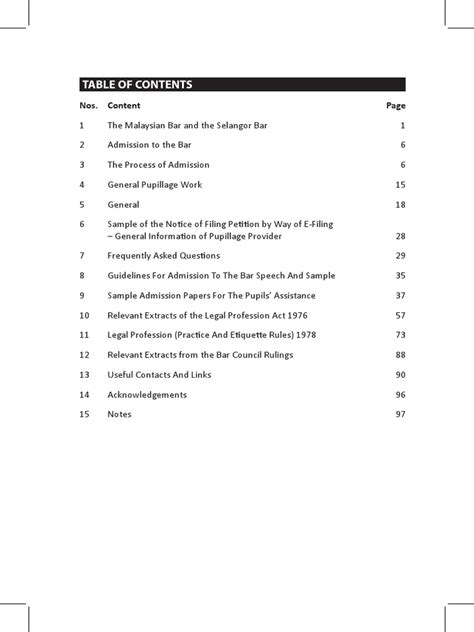
The foundation of a scannable, spoiler-free guide is its structure. Think of it as a well-indexed library. Start with a prominent, clickable Table of Contents (TOC) at the top, listing major sections with clear, non-spoilery headings. For instance, instead of “How to Defeat the Betrayer,” opt for “Boss Strategy: Chapter 8.”
Within each section, employ a hierarchical heading structure (H2 for main topics, H3 for sub-topics). Use descriptive but vague titles, such as “Puzzle Solution: Ancient Ruins” rather than “Solving the Crystal Grid in the Forgotten Temple.”
- Bold Key Information: Highlight actions, item names, or critical numbers to draw the eye.
- Bullet Points & Numbered Lists: Break down complex steps or enumerate items. This makes dense paragraphs much more digestible.
- Paragraph Length: Keep paragraphs concise. A wall of text is a scannability killer.
Crafting Spoiler-Proof Language and Warnings
Language is your most powerful tool in preventing unwanted revelations. When describing solutions or paths, focus on the mechanics and actions required, rather than the narrative implications. For example, instead of “After the tragic death of Character X, go to location Y,” simply state, “Proceed to location Y after the cutscene.”
For sections that *must* contain spoilers (e.g., detailed lore breakdowns, end-game choices), implement clear warning labels. Consider using collapsible sections (like an HTML `details` tag) that hide the content until the user explicitly clicks to reveal it. A bold “SPOILER WARNING: Click to Reveal Major Plot Points” header works wonders.
Avoid using character names or plot device names in headings unless absolutely necessary and clearly marked. General terms like “Mid-Game Challenge” or “Final Confrontation” are far safer for scannability.
Leveraging Visual Cues and Interactive Features
Beyond text, visual elements can significantly enhance scannability. Consistent formatting for different types of information (e.g., all item names italicized, all boss names bolded) helps readers quickly identify what they’re looking at. Consider using small icons next to headings or specific tips to indicate content type, such as a sword icon for combat, a question mark for puzzles, or a chest for loot locations.
If your guide is hosted online, a robust search function is paramount. It allows users to bypass the entire guide structure and jump directly to keywords. Additionally, internal linking to related sections or prerequisite information can create a web of interconnected tips, improving navigation without forcing a linear read.
Even for static guides, a clear visual hierarchy with ample whitespace makes the content less intimidating and easier on the eyes, encouraging users to browse rather than skip.

Testing and Refinement: The User Experience is Key
Ultimately, the effectiveness of your guide hinges on its user experience. After structuring and writing, put yourself in the shoes of a player who needs a specific tip. Can you find it quickly? Does the guide spoil anything you didn’t want to know? Solicit feedback from others. A fresh pair of eyes can spot areas where clarity is lacking or where an inadvertent spoiler might slip through.
Regularly update your guides. Games evolve, and so should your strategies. By continuously refining your approach to structure, language, and presentation, you can ensure your long game guides remain indispensable tools for players seeking help without sacrificing the thrill of discovery.




