How do you prefer guides to handle major spoilers for story-rich games?

For many gamers, the journey through a captivating story-rich title is sacrosanct. The twists, turns, and emotional revelations are meant to be experienced firsthand, unmarred by foreknowledge. Yet, even the most dedicated players sometimes find themselves needing a helping hand—whether stuck on a particularly tricky puzzle, searching for a hidden collectible, or aiming for a specific ending. This creates a delicate dilemma for guide creators: how do you offer valuable assistance without inadvertently unleashing devastating spoilers?
The Double-Edged Sword of Assistance
The primary appeal of a game guide is its utility. It promises to smooth over frustrations, illuminate obscure mechanics, and ultimately enhance the player’s experience. However, in games where narrative is king, the line between helpful hint and damaging spoiler is incredibly thin. A guide that simply tells you where to find an item might inadvertently spoil a character’s secret hideout, or a solution to a puzzle could reveal a critical plot device.
Players turn to guides for various reasons: to progress when genuinely stuck, to uncover every secret, to understand complex lore, or to achieve specific trophies and achievements. Each of these motivations comes with a different tolerance for spoilers, making a one-size-fits-all approach virtually impossible for guide writers.
Common Approaches to Spoiler Management
Over the years, various strategies have emerged to tackle the spoiler problem. Each has its merits and drawbacks, catering to different player needs and guide philosophies.
Strictly Spoiler-Free Guides
Some guides commit to a fully spoiler-free philosophy. These resources focus almost exclusively on mechanics, puzzle solutions (without revealing story context), combat strategies, and general navigation. They might tell you how to open a door but not why that door is important to the narrative, or they’ll point to an item’s location without explaining its lore significance.
This approach is ideal for players on their first playthrough who want minimal narrative intrusion. However, it can sometimes feel incomplete for those seeking deeper understanding or very specific, story-dependent outcomes, forcing them to look elsewhere for more comprehensive details.
Clearly Marked Spoiler Sections
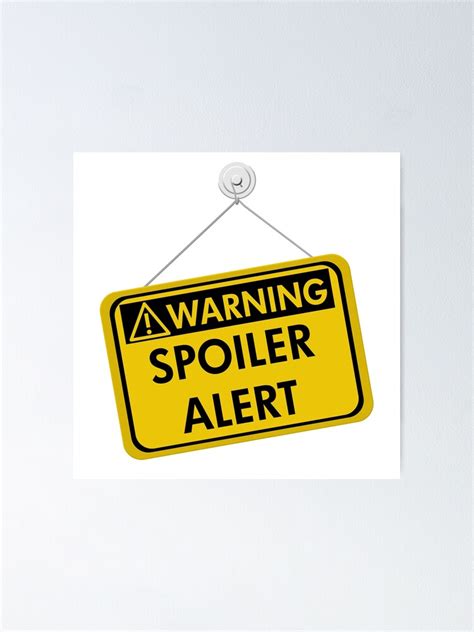
Perhaps the most common and generally well-received method involves clearly delineating spoiler-heavy sections. This could manifest as dedicated paragraphs, expandable sections (e.g., ‘click to reveal spoiler’), or even separate pages clearly labeled with stern warnings. The onus is placed on the player to decide if they wish to uncover the hidden information.
This method empowers the user by giving them control over their spoiler exposure. The challenge lies in making these warnings prominent and consistent enough to prevent accidental glances, especially in guides that are text-heavy or fast-scrolled. Visual cues like blur effects, blackout boxes, or distinct color coding are often employed here.
Spoiler-Integrated Guides
At the other end of the spectrum are guides that assume the user is either indifferent to spoilers or actively seeking them out—perhaps for a second playthrough, a specific ending, or simply to understand every facet of the game’s story. These guides fully integrate narrative details, character fates, and plot twists directly into the progression descriptions.
While invaluable for completionists or those revisiting a game, this format is unequivocally disastrous for a first-time player. Guide creators usually distinguish these by clearly labeling them as ‘complete walkthroughs’ or ‘ending guides,’ indicating their spoiler-heavy nature from the outset.
Player Preferences: What Do Gamers Really Want?
Fundamentally, most players desire control. They want the option to seek help without being ambushed by critical plot points. This translates into a strong preference for guides that prioritize clear, unambiguous spoiler warnings and mechanisms for revealing spoiler content only when explicitly chosen by the user.
The ideal guide, for many, starts as spoiler-free as possible, offering just enough information to get past obstacles. As the guide progresses, it should escalate its warning system, allowing players to delve into deeper story elements only after making an informed decision. The visibility and placement of spoiler warnings are paramount; a tiny, easily missed disclaimer won’t suffice.

Best Practices for Guide Creators
To best serve a diverse audience, guide creators should adopt a multi-layered approach:
- Default to Spoiler-Free: The default text for general progression, item locations, and basic puzzle solutions should avoid any narrative spoilers.
- Use Clear and Consistent Warnings: Any section containing significant plot details must be explicitly marked. Use prominent text, distinct visual styles, or collapsible/hidden sections.
- Categorize Content: Consider organizing guides into distinct sections or even separate articles for different needs, e.g., ‘First Playthrough Hints’ vs. ‘All Endings Guide.’
- Provide a Warning Policy: State upfront in the guide’s introduction how spoilers are handled, setting expectations for the user.
- Empower the User: Tools like interactive maps with toggleable spoiler markers or ‘click to reveal’ functions are highly appreciated.

Conclusion
The art of crafting a truly useful game guide for story-rich titles lies in understanding and respecting the player’s journey. While some prefer to dive headfirst into every detail, the vast majority value the sanctity of discovery. By implementing thoughtful spoiler management strategies—prioritizing clear warnings, empowering user choice, and offering layered levels of detail—guide writers can ensure their invaluable resources genuinely enhance, rather than diminish, the magic of a great story.