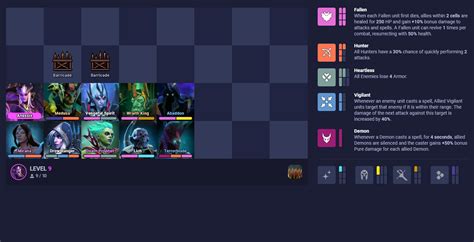
How to adapt old favorite builds to the current meta without full rebuilds?
In the dynamic world of online gaming, the meta is a constantly shifting landscape. What was once a top-tier, dominant build can quickly become obsolete with a single patch update, new content release, or community discovery. For many players, abandoning a beloved, finely-tuned character build feels like a betrayal, especially after countless hours invested. The good news is that you don’t always need a complete overhaul to stay competitive. Smart adaptation can breathe new life into your old favorites, allowing you to maintain your playstyle while remaining effective.

Understanding the Shifting Sands of the Meta
Before you can adapt, you must first understand why your build might be underperforming. Meta shifts are rarely random; they’re driven by specific changes. These often include:
- Patch Notes: Direct buffs or nerfs to abilities, items, or characters.
- New Content: Introduction of new items, characters, maps, or game modes that alter the balance.
- Community Discovery: Players finding incredibly effective (or exploitable) synergies, counter-strategies, or optimal rotations.
- Underlying System Changes: Modifications to core game mechanics like damage scaling, resource regeneration, or status effects.
The key is to identify the root cause affecting your build. Is a core item no longer viable? Did a rival character get a buff that makes them a harder counter? Pinpointing the exact change allows for surgical adjustments rather than a broad, often unnecessary, redesign.

Identify Core vs. Flex Slots in Your Build
Every successful build has a foundation and elements that can be swapped. Think of your build in two categories:
- Core Components: These are the irreplaceable elements that define your build’s identity and primary function. This might be a specific synergy of abilities, a legendary item set, or a combination of stats absolutely essential for its damage, tankiness, or utility. Changing these would fundamentally alter the build’s purpose.
- Flexible Components: These are the slots or choices that can be altered without breaking the build’s core identity. This often includes situational items, minor runes/talents, secondary stats, or even specific ability upgrades that can be swapped based on opponent matchups or meta trends.
By clearly distinguishing between core and flex, you know exactly where you have room to maneuver without having to rebuild from scratch. Focus your adaptation efforts on the flexible slots first.

Strategies for Targeted Adjustments
Once you’ve identified the problem and your flexible components, it’s time for precise modifications:
Minor Item Swaps
Often, simply replacing one or two non-core items can make a huge difference. If the meta shifted towards more burst damage, consider swapping a utility item for a defensive one. If an opponent’s resistance type is more prevalent, switch to an item that counters it better. Look for items with similar stats but better passive effects or active abilities for the current situation.
Talent/Rune/Perk Respecs
Most games allow for relatively inexpensive respecs of talent trees, runepages, or character perks. Even a few points moved from one branch to another can significantly impact your character’s performance. For example, if survivability is an issue, reallocate points from minor offensive nodes to defensive ones, or vice-versa if you need more burst.
Ability Prioritization and Rotation Tweaks
Sometimes the build itself is fine, but the optimal way to use its abilities has changed. A previously less-prioritized skill might now be crucial due to a buff, or a common enemy weakness. Experiment with different ability upgrade orders or combat rotations to maximize efficiency against current meta threats.
Stat Refocusing
While gear might remain the same, the priority of secondary stats could shift. For instance, if critical strike chance was king, but new enemies have high damage reduction, investing in armor penetration or flat damage might yield better results. This often involves minor gear enchantments or gem changes.

Leveraging Community Insights and Testing
You don’t have to theorycraft in a vacuum. The gaming community is a vast resource:
- Meta Snapshots: Check popular gaming websites or forums for “meta reports” or “tier lists” to see what other players are running successfully. This can give you ideas for specific item or talent swaps.
- Theorycrafting Tools: Many games have external tools that allow you to simulate build performance. Use these to test potential adjustments without committing in-game resources.
- Low-Stakes Testing: Before diving into ranked matches, test your adapted build in unranked games, practice modes, or with friends. This allows you to gauge its effectiveness and make further tweaks without penalty.
By staying informed and actively testing, you can quickly fine-tune your favorite builds to stay relevant.

Conclusion
Adapting your old favorite builds to the current meta doesn’t have to mean starting from scratch. By understanding the reasons behind meta shifts, identifying your build’s core and flexible components, and applying targeted adjustments, you can efficiently optimize your playstyle. This approach not only saves time and in-game resources but also allows you to continue enjoying the builds you’ve come to love, proving that innovation often lies in refinement, not reinvention.