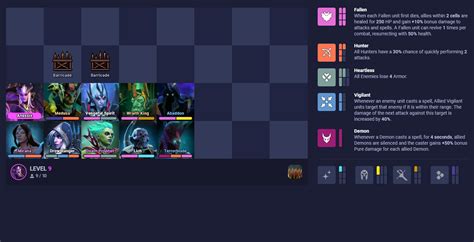
How to adapt your build to counter current meta without a full respec?
Understanding the Evolving Meta
The meta in any game is a constantly shifting landscape, influenced by patches, new content, and community discoveries. Falling behind can mean a frustrating gameplay experience, but a full build respec often comes with a hefty cost in time, in-game currency, or even real money. The good news is that significant adaptation doesn’t always require a complete overhaul. Often, subtle yet impactful changes can be enough to turn the tide.
The key to adapting without a full respec lies in identifying the core strengths of your current build and understanding how specific meta shifts impact those strengths. Is the new meta favoring burst damage, sustained damage, crowd control, or survivability? Once you pinpoint the prevalent strategy, you can begin to make targeted adjustments.
Minor Skill & Talent Tree Adjustments
Most games offer some degree of flexibility within their skill or talent systems. Even if your core build revolves around a specific skill rotation or primary attribute, there are often secondary choices that can be altered relatively cheaply. Look for:
- Tiered Talents: Many talent trees allow swapping individual points within a specific tier for a minor cost. If the meta now requires more resilience, swap a damage talent for a defensive one.
- Utility Skills: Consider changing one of your less frequently used utility skills to something that counters the meta. For instance, if enemy teams are grouping up, a skill with area-of-effect crowd control might be more valuable than a single-target stun.
- Passive Abilities: Some passive abilities offer flexibility. Swapping a passive that grants increased critical strike chance for one that provides cooldown reduction or resource regeneration could make a significant difference in certain meta matchups.
These minor tweaks can significantly alter your character’s performance in specific situations without touching the fundamental elements of your build.

Strategic Gear Swaps and Enchantments
Your equipment is another powerful lever for adaptation. While you might not want to replace all your legendary items, a few targeted gear swaps or modifications can yield substantial results:
- Accessory & Trinket Slots: These are often the easiest to swap out without disrupting core stats. A trinket that grants a specific resistance or a defensive proc can be invaluable against a damage-heavy meta, or an offensive one to keep up with burst.
- Weapon Enchantments/Runes: Many games allow you to change enchantments or socketed gems in weapons or armor. Swapping a damage-focused enchantment for one that grants life steal or a defensive aura could be a game-changer.
- Minor Armor Pieces: Consider swapping out a single piece of armor (e.g., gloves, boots) if it offers a specific stat or effect that directly counters the meta. For example, boots with increased movement speed might be crucial against kiting compositions.
Prioritize items that offer unique effects or significant statistical shifts relevant to the current meta’s challenges.

Consumables and Temporary Buffs
Don’t underestimate the power of consumables! Potions, elixirs, food buffs, and other temporary items can provide the edge you need to compete. If the meta is centered around a specific damage type, investing in potions that grant resistance to that type can drastically improve your survivability. Similarly, if damage output is lacking, temporary buffs to your primary attack stat can help you meet crucial damage thresholds.
Many games also feature temporary enchantments or pre-battle buffs provided by other players or in-game mechanics. Coordinating with teammates for specific buffs or utilizing environmental advantages can mimic the effects of a respec without the cost.
Adjusting Your Playstyle
Sometimes, the problem isn’t your build at all, but how you’re playing it. A slight shift in strategy can often be the most effective and cheapest form of adaptation:
- Target Prioritization: Is the meta focusing on fragile backline damage dealers or tanky frontliners? Adjust your focus accordingly.
- Positioning: Are you consistently getting caught out? Improve your positioning to minimize exposure to meta-specific threats.
- Engage/Disengage Timings: Learning when to commit to a fight and when to retreat can completely change outcomes, especially against specific meta compositions.
- Resource Management: If the meta is long and drawn out, optimizing your resource usage (mana, energy, cooldowns) can give you a significant advantage.
By combining these playstyle adjustments with minor build tweaks, you create a holistic approach to meta adaptation that keeps your core build intact while still allowing you to compete effectively.
Conclusion
Adapting to a changing meta doesn’t always mean tearing down your entire build and starting from scratch. By focusing on minor, targeted skill and talent changes, strategic gear swaps, intelligent use of consumables, and adjustments to your playstyle, you can effectively counter new challenges without the prohibitive cost of a full respec. This approach not only saves resources but also deepens your understanding of your character and the game’s mechanics, making you a more versatile and resilient player in the long run.