





How to balance critic review scores with overwhelming player sentiment on Steam?

The Dual Pillars of Game Evaluation
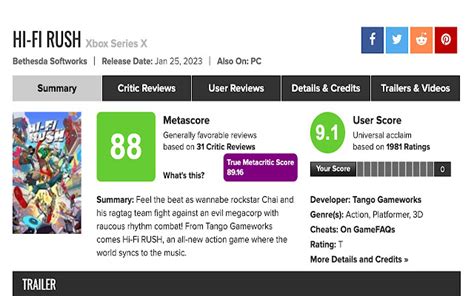
In the vibrant ecosystem of PC gaming, Steam serves as the primary battleground for a game’s success or failure. Central to this assessment are two powerful, yet often divergent, forces: the curated opinions of professional critics and the raw, overwhelming sentiment of the player base. For both consumers deciding on a purchase and developers striving to improve their titles, understanding how to weigh these two distinct perspectives is paramount.
This challenge is more than just an academic exercise; it impacts sales, reputation, and the very direction of game development. A game might receive glowing praise from critics for its innovative mechanics, only to be lambasted by players for its technical issues or perceived lack of content. Conversely, a critic-maligned title can find cult status and massive success thanks to a passionate player community. The question then becomes: how do we reconcile these viewpoints to form a comprehensive understanding?

The Role and Value of Professional Critics
Professional critics, often affiliated with established gaming publications, bring a specific set of skills and experiences to their evaluations. They typically receive early access to games, allowing for comprehensive playtesting before release patches. Their reviews are usually structured, adhering to industry standards and often comparing titles against genre benchmarks. Critics often focus on technical proficiency, artistic direction, narrative depth, mechanical innovation, and the game’s overall contribution to the medium.
Their value lies in their ability to provide an educated, often nuanced, perspective. They can identify subtle design choices, understand developer intent, and offer context within the broader gaming landscape. For busy consumers, a critic’s review can be a reliable shortcut, highlighting potential issues or triumphs they might otherwise miss. However, critics are a small, often homogenous group, and their personal preferences or editorial biases can sometimes color their judgment.
Understanding Overwhelming Player Sentiment
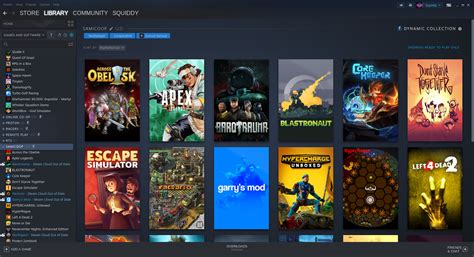
Steam’s user review system offers an unparalleled, unfiltered look into the collective consciousness of the gaming public. With millions of players contributing their thoughts, player sentiment provides a massive dataset of experiences, ranging from brief recommendations to detailed essays. This volume ensures a diverse range of opinions, covering various playstyles, hardware configurations, and cultural backgrounds.
Player reviews are particularly potent for reflecting post-launch realities: server stability, ongoing bugs, efficacy of patches, and the longevity of multiplayer communities. They offer direct, often emotional, feedback that can highlight issues critical to the daily player experience. Furthermore, positive player sentiment, especially when ‘Overwhelmingly Positive,’ can create a powerful snowball effect, attracting more players and fostering a dedicated community around a game. However, this system is also susceptible to ‘review bombing,’ where organized groups artificially tank scores due to non-gameplay related grievances, or simply by a vocal minority dominating the conversation.
Why Discrepancies Emerge: A Closer Look
The gap between critic and player scores often stems from fundamental differences in priorities and expectations. Critics might praise a game’s artistic vision, even if its gameplay loop is repetitive, whereas players might quickly grow bored. Conversely, a game with a shaky narrative but incredibly satisfying core mechanics might resonate deeply with players while critics dismiss it for its story flaws. Technical performance is another major divider; critics might review a game on optimized hardware, while a broader player base experiences performance issues on diverse setups.
Launch states also play a crucial role. Critics often review pre-release builds, which might differ significantly from the public launch version, especially concerning server stability or day-one patches. Player sentiment, reflecting the actual public experience, thus becomes a dynamic, evolving metric that critics cannot always capture in a single, static review.

Navigating the Data: A Holistic Approach
For Gamers:
- Read Diverse Reviews: Don’t rely on a single critic or the overall Steam score. Read reviews from multiple sources – both professional and user – to get a broader perspective.
- Watch Gameplay: Videos on YouTube or Twitch can show you exactly what a game looks like in action, helping you determine if the gameplay loop or graphical style appeals to you, regardless of review scores.
- Consider the ‘Why’: If scores differ wildly, try to understand why. Are critics praising innovation while players lament bugs? Or vice-versa? Your personal priorities should guide your decision.
- Check Review Timelines: For player reviews, look at recent feedback. Games often improve significantly after launch with patches and updates.
For Developers:
- Listen to Both Critiques: Don’t dismiss either group. Critics offer insights into design and industry trends; players highlight real-world user experience and expectations.
- Identify Patterns, Not Just Scores: Look for recurring themes in player feedback (e.g., specific bugs, balancing issues, desired features) rather than just focusing on the ‘positive’ or ‘negative’ tag.
- Engage with Your Community: Actively participate in forums and discussions. Addressing player concerns openly can turn negative sentiment around.
- Contextualize Feedback: Understand that some negative reviews might stem from unmet expectations, rather than inherent flaws. Balance this against constructive criticism.

Conclusion
Ultimately, neither critic review scores nor overwhelming player sentiment on Steam stands alone as the definitive measure of a game’s quality. Each offers a unique, valuable lens through which to view a title. Critics provide a professional, informed perspective on a game’s artistic and technical merits within the broader industry context. Players, in their vast numbers, offer a raw, democratic, and evolving snapshot of real-world experiences. The true art lies in balancing these perspectives, dissecting their underlying reasons, and synthesizing them into a holistic understanding. For consumers, this means making informed purchase decisions; for developers, it means building better games that resonate with both the industry and its passionate audience.



