How to constructively resolve modding community disputes & foster a positive environment?
Modding communities are vibrant hubs of creativity, collaboration, and shared passion, but like any diverse group of individuals, they are not immune to disagreements and disputes. From technical debates over implementation choices to differing opinions on creative direction or perceived unfairness, conflicts can arise. Left unchecked, these disputes can quickly sour the atmosphere, drive away talented individuals, and ultimately hinder the community’s growth and productivity. The key lies not in avoiding conflict entirely, which is often impossible, but in developing robust, constructive methods for resolution and proactively cultivating an environment where positivity thrives.
Understanding the Roots of Discord
To effectively resolve disputes, it’s crucial to understand why they occur. Common causes include:
- Creative Differences: Disagreements over artistic direction, gameplay mechanics, or lore interpretation.
- Technical Debates: Arguments about the “best” way to code something, compatibility issues, or performance optimizations.
- Personality Clashes: In any large group, individuals with differing communication styles or temperaments may clash.
- Misunderstandings & Miscommunication: Text-based communication often lacks nuance, leading to misinterpretations of intent.
- Perceived Unfairness: Accusations of favoritism, uneven application of rules, or perceived theft of ideas.
- Scope Creep & Expectations: Divergent expectations about project scope, deadlines, or individual contributions.

Proactive Measures: Building a Foundation for Peace
Prevention is always better than cure. Establishing clear structures and expectations from the outset can significantly reduce the incidence and severity of disputes.
Clear Guidelines and Code of Conduct
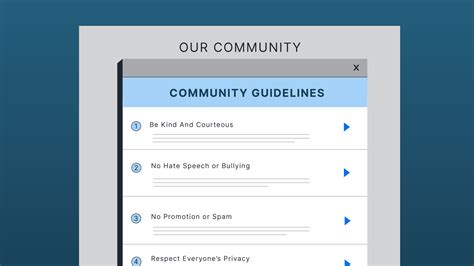
A well-defined set of rules and a code of conduct are paramount. These documents should clearly outline expected behavior, acceptable communication standards, and consequences for violations. They should cover topics like respect, constructive criticism, handling personal attacks, and intellectual property. Crucially, these guidelines must be easily accessible, frequently referenced, and consistently enforced.
Transparent Communication Channels
Encourage open and respectful communication. Provide dedicated channels for feedback, suggestions, and even complaints. Ensure that community leadership or moderators are visible and approachable, making it easier for members to voice concerns before they escalate into full-blown disputes.
Designated Moderation Team
A dedicated, trained, and unbiased team of moderators is essential. Moderators should understand the community’s culture, the technical aspects of modding, and conflict resolution techniques. Their role is not just to enforce rules but also to mediate, de-escalate, and guide discussions productively.
Constructive Dispute Resolution Strategies
When disputes inevitably arise, a structured approach is necessary to resolve them effectively and fairly.
Empathy and Active Listening
Encourage all parties to listen to understand, not just to respond. Validate feelings, acknowledge perspectives, and help individuals articulate their underlying concerns. Often, simply feeling heard can de-escalate tension.
Neutral Mediation
When parties cannot resolve a conflict themselves, a neutral third party (a moderator or community leader) should step in as a mediator. The mediator’s role is to facilitate dialogue, keep discussions on track, ensure all voices are heard, and help the parties find common ground or mutually agreeable solutions.
Focus on Solutions, Not Blame
Shift the conversation from who is right or wrong to what can be done to move forward. Encourage brainstorming of solutions, compromise, and future-oriented thinking. Frame conflicts as opportunities for growth and improvement.
Private Resolution When Possible
For sensitive or personal disputes, encourage private discussions or mediation rather than airing grievances publicly. This prevents further escalation and avoids involving uninvolved members, who might take sides and exacerbate the problem.
Fair and Consistent Enforcement
Moderators must apply rules fairly and consistently to maintain trust. Decisions should be communicated clearly, explaining the reasoning behind them, even if the outcome isn’t what one party desired. Consistency reinforces the legitimacy of the rules and the moderation team.
Fostering a Positively Charged Environment
Beyond conflict resolution, actively nurturing a positive environment is crucial for long-term community health.
Celebrate Achievements and Contributions
Regularly highlight successful projects, innovative mods, helpful members, and collaborative efforts. Recognition and appreciation encourage positive behavior and foster a sense of belonging and shared accomplishment.
Encourage Mentorship and Collaboration
Create avenues for experienced modders to mentor newcomers. Organize collaborative projects or challenges that bring members together towards a common goal. This strengthens bonds and reduces isolated siloing which can breed resentment.

Provide Educational Resources
Offer tutorials, guides, and workshops on modding tools, best practices, and even community interaction. Empowering members with knowledge reduces frustration and misunderstandings, especially for those new to the scene.
Regular Feedback Mechanisms
Periodically survey the community or hold town halls to gather feedback on moderation, rules, and overall community health. This demonstrates that members’ opinions are valued and helps identify emerging issues before they become major conflicts.
Conclusion
Resolving disputes constructively and fostering a positive environment in modding communities requires a multi-faceted approach. It involves setting clear expectations, empowering a skilled moderation team, employing empathetic resolution techniques, and continually celebrating the collaborative spirit that makes these communities so special. By investing in these strategies, modding communities can transform potential conflicts into opportunities for growth, ensuring they remain vibrant, innovative, and welcoming spaces for all.