How to counter the current burst damage meta with tankier support builds?
Navigating the Burst Damage Landscape
The current state of many competitive online games is often characterized by a heavy emphasis on burst damage. Champions and items designed to eliminate opponents swiftly dominate the meta, making it challenging for squishier carries to survive team fights. This hyper-aggressive environment often leaves teams vulnerable to sudden initiations and rapid take-downs, leading to frustrating losses. However, there’s a powerful and often underutilized counter-strategy: embracing tankier support builds.
While offensive supports can snowball games, a more resilient frontline or backline enabler can often dictate the pace of a match and provide the much-needed durability to withstand enemy onslaughts. Shifting focus from pure utility or damage to defensive stats and aura items can transform your support into a crucial lynchpin for team success.
The Strategic Advantage of Durability
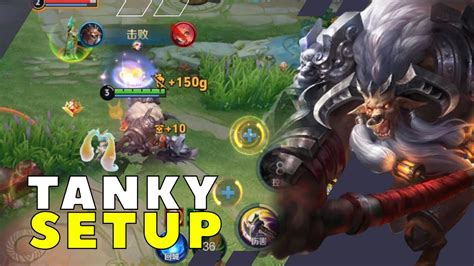
Tankier support builds offer multiple layers of advantage in a burst-heavy meta. Firstly, increased survivability means you can absorb more damage, extending team fights and giving your damage dealers more time to operate. Instead of being an easy target, you become a durable shield, forcing enemies to commit more resources to take you down.
Secondly, these builds often come with crucial crowd control (CC) and protective abilities. A tanky support can fearlessly initiate, peel for carries, or zone out dangerous assassins without immediately being melted. Items that provide area-of-effect shields, heals, or defensive buffs further amplify your team’s resilience, turning precarious situations into manageable ones. This ability to consistently protect key targets is invaluable when facing compositions designed for quick eliminations.
Core Itemization for Resilience
When building tankier supports, the focus should shift to items that provide a healthy mix of health, resistances (armor and magic resist), and often, powerful active or passive effects. Here are some key item categories and examples:
- Health and Sustain: Items like Warmog’s Armor (if applicable) or Spirit Visage (which also boosts healing) can significantly increase your effective health pool and regeneration.
- Defensive Auras and Shields: Locket of the Iron Solari is a cornerstone, providing a team-wide shield that can negate significant burst. Redemption offers a potent AoE heal and damage, useful for turning team fights.
- Targeted Protection: Mikael’s Blessing is essential against heavy CC, while Knight’s Vow can redirect incoming damage from your primary carry to you.
- Physical Resistance: Items such as Frozen Heart (for mana, armor, and attack speed reduction) or Randuin’s Omen (for armor, health, and an active slow) are excellent against AD-heavy teams.
- Magic Resistance: Beyond Spirit Visage, consider items like Force of Nature for movement speed and high magic resist, or Adaptive Helm against repetitive magic damage sources.

Example Build Paths and Strategies
Against Heavy AD Burst:
Start with a standard support item, then prioritize early armor. Options like Knight’s Vow into Frozen Heart can significantly cripple AD assassins and marksmen. Follow up with Locket of the Iron Solari for an additional shield and Randuin’s Omen if the enemy team has multiple critical strike users.
Against Heavy AP Burst:
After your support item, rush Locket of the Iron Solari for the immediate magic resist and shield. Then, build into Spirit Visage for enhanced healing and magic resist, especially if you have other healers on your team or self-sustain. Mikael’s Blessing is crucial if the enemy AP threats also bring heavy CC.

Balanced or Hybrid Approach:
A versatile build might look like: Support Item -> Locket of the Iron Solari -> Redemption. These three items provide a balanced mix of shield, heal, and resistances for both damage types. From there, you can adapt based on the enemy’s primary damage source, picking up a specific armor or magic resist item.
Adjusting Your Playstyle
Building tanky isn’t just about item choices; it’s about altering your in-game approach. With increased durability, you can afford to play more aggressively in certain situations:
- Frontlining: Be willing to step forward and absorb initial damage for your team, creating space for your carries.
- Peeling: Position yourself between your squishier teammates and enemy threats. Use your CC and item actives to disengage or lock down diving assassins.
- Initiation: If your champion has strong engage tools, your tankiness allows for more confident and impactful initiations without instantly being shut down.
- Vision Control: You can safely ward deeper into enemy territory or clear dangerous vision spots without fear of instant death.

The Team Synergy Advantage
A tankier support significantly enhances overall team synergy. It allows your solo laners or jungler to opt for more damage-oriented builds, knowing that the front line or backline protection is secured. It provides a reliable anchor in skirmishes and team fights, making your team composition more robust and forgiving of minor mispositions. By nullifying a significant portion of the enemy’s burst potential, you effectively tilt the scales of engagement in your team’s favor, turning would-be quick kills into drawn-out battles where your team’s sustained damage and control can shine.

Conclusion
While the allure of high damage and flashy plays is undeniable, the true strength of a team often lies in its ability to adapt and survive. In a meta dominated by burst damage, tankier support builds are not just a viable option; they are a strategic imperative. By understanding the core principles of defensive itemization and adjusting your playstyle, you can transform your support into an unyielding guardian, providing the resilience your team needs to weather any storm and emerge victorious.