How to create engaging, concise summaries of major game update patch notes?
Why Concise Patch Note Summaries Matter
Game update patch notes are often lengthy, technical documents filled with intricate details that, while crucial for developers, can overwhelm the average player. In a fast-paced digital world, capturing and retaining player attention is paramount. Creating engaging, concise summaries of major game updates isn’t just a courtesy; it’s a strategic necessity to ensure your player base stays informed, excited, and connected to your game.
Players want to quickly grasp what’s new, what’s changed, and how it impacts their gameplay experience. Long walls of text can lead to vital information being overlooked, potentially causing confusion, frustration, or simply disinterest. The goal is to transform dense technical data into accessible, exciting highlights.
Understand Your Audience and Their Priorities
Before you even begin to summarize, consider who you’re speaking to. Are they competitive esports players, casual adventurers, or lore enthusiasts? Each group has different priorities. Competitive players might focus on balance changes and bug fixes, while casual players might be more interested in new content, events, or quality-of-life improvements. Tailoring your summary’s focus and language to your primary audience ensures maximum impact.
Identify the ‘big ticket’ items. What are the headline features? What common player complaints are being addressed? What will genuinely excite or significantly impact the majority of your player base? Start by looking for new systems, major reworks, significant balance adjustments, and highly anticipated bug fixes.
Key Principles of Effective Summarization
- Identify the Core Changes: Strip away the developmental jargon. What is the fundamental change being made? Focus on the ‘what’ and the ‘why’ from a player’s perspective.
- Prioritize Information: Not all changes are created equal. Rank updates by their significance and potential impact on players. Major new features should always appear before minor text fixes.
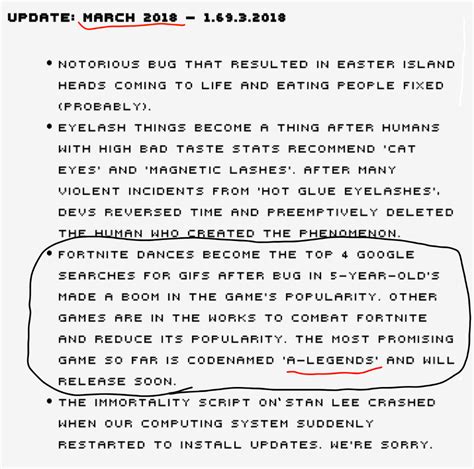
- Boil Down the Details: Resist the urge to include every granular detail. If a paragraph of technical explanation can be summarized into a single, clear sentence about its player benefit, do it. For example, instead of “Refactored network latency compensation algorithm,” try “Enjoy smoother, more responsive combat.”
- Use Strong, Active Verbs: Make your sentences punchy and direct. Avoid passive voice where possible.

Crafting Engaging Language
A summary shouldn’t just be informative; it should be captivating. Use language that builds excitement and highlights the positive impact on the player experience.
Highlight the Benefits: Instead of merely stating a change, explain how it improves the game for the player. “Increased movement speed for Class X” becomes “Class X now feels more agile and dynamic on the battlefield.” This creates a more compelling reason for players to care.
Inject Enthusiasm (Authentically): While avoiding hyperbole, don’t be afraid to use words that convey excitement, improvement, or quality. Words like “exciting,” “enhanced,” “streamlined,” “massive,” or “critical” can elevate the tone without being disingenuous.
Consistency in Tone: Maintain a consistent tone throughout your summary that aligns with your game’s brand and community. Whether it’s playful, serious, or informative, ensure it’s uniform.
Structure for Optimal Readability
Even the most concise information can be overwhelming if presented as a dense block of text. How you structure your summary is just as important as what it contains.
- Start with a “TL;DR” or “Highlights” Section: For players who only have seconds, provide 3-5 bullet points of the absolute biggest changes right at the top.
- Use Clear Headings: Break down the summary into logical sections (e.g., “New Features,” “Balance Changes,” “Bug Fixes,” “Quality of Life”). Use
<h3>or<h4>tags for these. - Leverage Bullet Points and Numbered Lists: These are incredibly effective for presenting multiple changes within a category. Each point should be a concise, standalone statement.
- Keep Paragraphs Short: Avoid long paragraphs. One to three sentences per paragraph is a good rule of thumb for web content.
Review, Refine, and Iterate
The first draft of your summary is rarely the best. Review it critically: Is it truly concise? Is it engaging? Is any essential information missing? Could it be clearer or more impactful?
Consider getting a fresh pair of eyes on your summary, ideally someone from your target audience. They can provide invaluable feedback on clarity, interest, and whether the summary effectively communicates the key updates. Don’t be afraid to cut words, rephrase sentences, or reorganize sections until it shines.
Conclusion: Empowering Your Player Base
Creating engaging, concise patch note summaries is a vital skill for any game developer or community manager. By distilling complex information into easily digestible and exciting content, you not only inform your players but also show them you value their time and commitment. A well-crafted summary keeps your community engaged, reduces confusion, and builds anticipation for the new content, ultimately fostering a more vibrant and loyal player base. Master this art, and you’ll transform routine updates into celebrated events.