How to design concise, spoiler-free game guides for quick player solutions?

Modern gaming often presents complex challenges that can halt player progress. While comprehensive walkthroughs are readily available, many players just need a quick nudge to overcome a specific hurdle without having their larger game experience spoiled. This article explores how to craft effective game guides that offer immediate solutions while meticulously preserving the joy of discovery.
Focus on the Player’s Immediate Need
The primary goal of a quick-solution guide is to address a specific problem efficiently. Players aren’t looking for narrative deep-dives; they’re stuck on a puzzle, a boss, or trying to find an elusive item. Your guide should anticipate these common pinch points and provide the most direct, actionable route to overcoming them. This means cutting out unnecessary prose and focusing purely on the essential information needed to proceed.
Prioritize Clarity and Direct Answers
Avoid ambiguity at all costs. If a player needs to press a specific button, state exactly which button. If they need to go to a location, describe it clearly or provide coordinates if applicable. Employ active voice and strong verbs. Break down complex steps into simple, digestible instructions. Bullet points are invaluable for lists of items, sequential steps, or requirements.
Master the Art of Spoiler Avoidance
This is arguably the most critical aspect. A truly spoiler-free guide offers just enough information to solve the immediate problem, and nothing more. Here’s how to achieve it:
- Lore and Story: Omit all story-critical information. Do not explain why a character is doing something, only what they need to do.
- Future Content: Never hint at future events, characters, or plot twists. The player’s current problem is the sole focus.
- Optional Content: Clearly differentiate between main path solutions and optional side quests. If a solution requires an item from an optional quest, mention the item, not the quest’s narrative intricacies.
- Minimal Context: Provide only the contextual details absolutely necessary for the solution.
Structuring for Swift Navigation
A guide’s organization is paramount for quick solutions. Players should be able to jump directly to their specific problem without scrolling through irrelevant sections or feeling lost within the content.
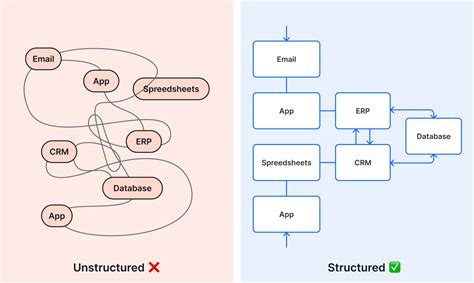
Employ Headings, Bullet Points, and Tables
- Clear Headings: Use descriptive
<h2>and<h3>tags that reflect common player queries (e.g., “How to defeat X boss,” “Where to find Y item,” “Puzzle Z solution”). - Bullet Points and Numbered Lists: These are ideal for step-by-step instructions, item lists, or requirements, making information easily scannable.
- Tables: Excellent for displaying comparative information, item stats, or resource locations in a structured, easy-to-read format.
Leverage Visuals Strategically
While text-only guides can be effective, judicious use of visuals can significantly enhance clarity without introducing spoilers. The key is extreme precision.
- Contextual Maps: Use small, marked sections of a map showing a specific location, rather than a full world map.
- Puzzle Layouts: Diagrams illustrating the solution to a puzzle without showing character actions or lore elements.
- Key Item Locations: Screenshots or marked images should focus *only* on the item’s location, cropping out any surrounding narrative or environmental details that could spoil discovery.

The Iterative Process: Test and Refine
Once your guide is drafted, put it to the test. Have someone unfamiliar with the game (or at least the specific problem) attempt to use it. Gather feedback on these key points:
- Is it concise? Could any words or sentences be removed without losing clarity?
- Is it spoiler-free? Did it inadvertently reveal anything unnecessary or future-related?
- Is it easy to navigate? Can they find the solution within seconds, and without excessive scrolling?
- Is it accurate? Does the solution actually work as described?
Gather feedback and iterate until the guide is a lean, mean, solution-providing machine.

Designing game guides that are both concise and spoiler-free is an art form. It requires empathy for the player’s immediate frustration and a strong commitment to efficiency. By focusing on direct solutions, employing careful structuring, and exercising meticulous spoiler avoidance, you can create an invaluable resource that helps players overcome hurdles and get back to enjoying their game, enriched rather than ruined.