How to effectively filter gaming news for crucial release dates & patch notes?

Conquering the Avalanche of Gaming Information
In the fast-paced world of video games, staying updated with the latest developments can feel like an insurmountable challenge. Every day brings a deluge of announcements, trailers, interviews, and community discussions. For dedicated players, however, two pieces of information stand paramount: crucial release dates for highly anticipated titles or expansions, and detailed patch notes that fundamentally alter gameplay. Missing these can mean anything from pre-order disasters to being blindsided by significant game changes. The key to staying informed without drowning in irrelevant data lies in developing a robust and efficient filtering system.
Prioritizing Official Channels and Developer Sources
The most reliable and accurate information invariably comes directly from the source. Developers and publishers are the first to announce release dates and publish comprehensive patch notes. Make it a habit to follow the official social media accounts (Twitter, Facebook, YouTube, Discord) of your most anticipated games and their respective studios. Subscribe to their official newsletters, which often provide consolidated updates directly to your inbox. Bookmark official game websites and developer blogs, checking them periodically or setting up RSS feeds if available. While community discussions are valuable, official channels should always be your primary validation point for critical information.
Many developers also host official forums or dedicated subreddits where detailed patch notes are pinned or readily accessible. Becoming a member of these communities, even if just to lurk, can provide direct access to information as it’s released, often with immediate community discussion and clarification that can enhance understanding. Look for “News” or “Announcements” sections within these platforms.
Leveraging News Aggregators and Smart Feeds
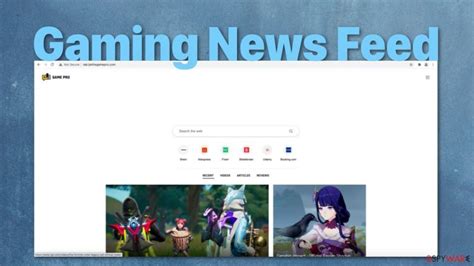
While official sources are critical, manually checking dozens of sites and social feeds is impractical. This is where news aggregators and custom RSS feeds become invaluable. Services like Feedly, Inoreader, or even Google News allow you to consolidate news from various sources into a single, manageable stream. Set up custom feeds for specific game titles, developers, or genres you follow closely. Use keywords such as “release date,” “patch notes,” “update,” or “changelog” to filter out less relevant articles.
Similarly, many dedicated gaming news websites are excellent at compiling and reporting on these updates. Identify 2-3 reputable sites that you trust for accuracy and timeliness. Instead of daily browsing, use their RSS feeds within your aggregator, applying the same keyword filters. This approach transforms a broad news stream into a targeted digest, highlighting only the information you deem crucial.

Harnessing Community and Dedicated Tracking Tools
Beyond official channels and general news aggregators, specialized community hubs and dedicated tracking tools offer potent solutions. Reddit, for instance, has active subreddits for almost every major game, where release dates and patch notes are often quickly shared and discussed. Filters and search functions within Reddit can help you cut through the noise. Just remember to cross-reference information with official sources when possible.
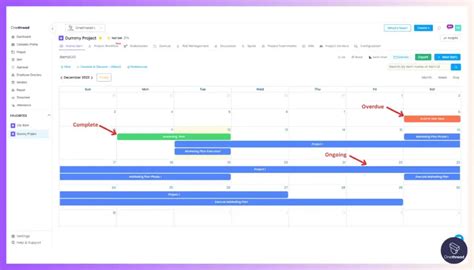
Furthermore, several third-party applications and websites are designed specifically for tracking game releases. Platforms like IGN’s Release Calendar, GameSpot’s Release Schedule, or even community-driven databases on sites like PCGamingWiki often provide aggregated release information and sometimes even historical patch note archives. For a more personalized approach, consider setting up a dedicated calendar (Google Calendar, Outlook Calendar) specifically for gaming releases, using alerts for upcoming dates. Some Discord servers also have bots that track and announce game updates and releases.

Developing Your Personal Filtering Strategy
The most effective strategy is a personalized one. Start by identifying your core games and the information you absolutely cannot miss. Combine a few key methods: always follow official channels, utilize an RSS aggregator with strong keyword filters, and leverage a trusted community or dedicated tracking tool. Regularly review your sources and filters to ensure they remain relevant. By actively curating your information intake, you transform the overwhelming flow of gaming news into a manageable, highly efficient stream of crucial updates, allowing you to focus on what matters most: playing the games you love, informed and ready for every new challenge.