How to effectively integrate new gaming news & patch updates into existing game guides?
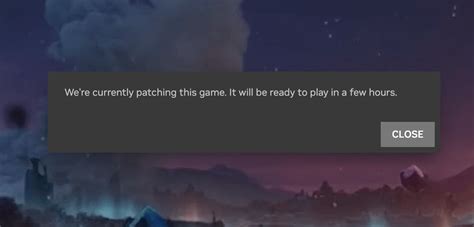
Maintaining up-to-date game guides is a constant battle in the ever-evolving world of video games. Developers frequently release new content, balance changes, and system overhauls through patches and updates, rendering static guides quickly obsolete. For guide creators and gaming communities, the challenge lies in seamlessly integrating this influx of new information without compromising the guide’s clarity, structure, or utility.
The Ever-Evolving Game Landscape
Gaming is a dynamic medium. What was once meta yesterday could be completely irrelevant after a significant patch. Players rely on guides for accurate information on character builds, quest walkthroughs, item stats, and optimal strategies. When guides become outdated, they lose credibility and utility, frustrating users and undermining the effort put into their creation. Effective integration ensures guides remain a reliable resource.

Establishing a Robust Monitoring System
The first step to effective integration is developing a reliable system for tracking new information. This involves:
- Official Channels: Regularly check developer blogs, patch notes, official forums, and social media.
- Community Hubs: Monitor fan wikis, Reddit subreddits, and prominent community discords where news often breaks and is discussed.
- Content Creators: Follow trusted streamers and YouTubers who often dissect new updates quickly.
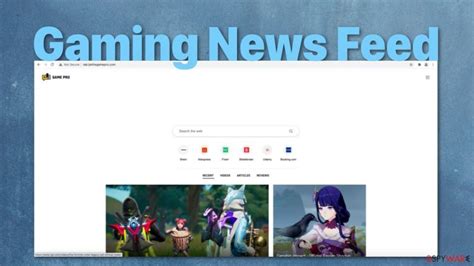
Automating this process where possible, using RSS feeds or notification tools, can save significant time and ensure you don’t miss critical announcements.
Strategic Integration Approaches
Once new information is identified, the method of integration is crucial.
Direct Updates vs. Supplementary Sections
For minor numerical changes or small adjustments, directly updating the relevant section of the guide is often the most efficient approach. Clearly mark these changes, perhaps with a “last updated” timestamp or a subtle visual indicator. For larger overhauls, new game modes, or significant character reworks, consider adding a dedicated “Patch X.Y Changes” or “Season Z Overview” section. This allows users to quickly grasp the new landscape without having to re-read the entire guide.
Version Control and Changelogs
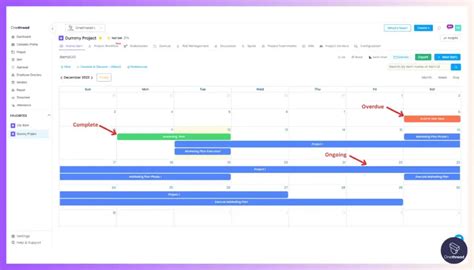
Implementing a simple version control system is invaluable, especially for larger guides. This could be as simple as adding a changelog section at the beginning or end of the guide, detailing what was updated, when, and by whom. For more complex guides managed by teams, using platforms with built-in revision history features (like wikis or collaborative document tools) is highly recommended. This transparency builds trust with your audience.
![[下載] All In One Game: Mix Games - QooApp 遊戲庫](/images/aHR0cHM6Ly90czQubW0uYmluZy5uZXQvdGg/aWQ9T0lQLjZkbDZDU3FhaXdBb0dqQjU1bG5aNUFIYUhhJnBpZD0xNS4x.webp)
Tools and Best Practices for Guide Maintenance
Leveraging the right tools and practices can streamline the update process.
Utilize Content Management Systems (CMS)
Many modern guide platforms and wikis offer features like tagging, categories, and revision history that simplify updates. Structured data allows for easier modification of specific elements without reformatting entire pages.
Community Collaboration
If appropriate for your platform, enable and encourage community contributions. Active players often notice changes immediately and can provide valuable input, reducing your workload and increasing the speed of updates. Implement a moderation system to ensure accuracy.
Prioritize Updates
Not all updates are equally critical. Prioritize integrating changes that have a significant impact on gameplay, character viability, or progression paths. Cosmetic updates, while interesting, usually don’t require immediate guide alterations.

Maintaining Clarity and Readability
Integrating new information shouldn’t make a guide messy or harder to read.
Visual Cues for New Information
Use subtle visual indicators like colored text, highlight boxes, or small icons (e.g., a “NEW!” tag) for recently added or updated information. This helps returning users quickly identify what’s changed since their last visit. Ensure these indicators are accessible and don’t detract from readability.
Archiving Outdated Information
Don’t simply delete old information, especially if a patch rolls back changes or if players might be looking for historical data. Instead, move outdated builds or strategies to an “archive” section, or clearly mark them as “deprecated” or “legacy.” This preserves valuable context and can be helpful for new players learning about past game states.

The Value of Up-to-Date Guides
Ultimately, effectively integrating new gaming news and patch updates is about maintaining the value and relevance of your guides. A well-maintained guide builds a strong reputation, fosters a loyal audience, and ensures players always have access to the most accurate and useful information. It transforms a static document into a living resource that evolves with the game itself, becoming an indispensable tool for the gaming community.