How to efficiently cover frequent game updates across news and guides?

Navigating the Rapid Pace of Game Updates
The landscape of modern gaming is defined by constant evolution, with live-service titles and major releases frequently receiving patches, hotfixes, expansions, and seasonal content. For gaming news outlets and guide creators, this relentless update cycle presents a significant challenge: how to efficiently cover and contextualize these changes across both timely news articles and evergreen guides without succumbing to burnout or sacrificing accuracy?
Mastering this balancing act requires a combination of robust systems, streamlined workflows, and a clear understanding of content purpose. This article delves into practical strategies to help content teams stay on top of the update deluge, ensuring timely, accurate, and comprehensive coverage.
Establishing a Comprehensive Update Tracking System
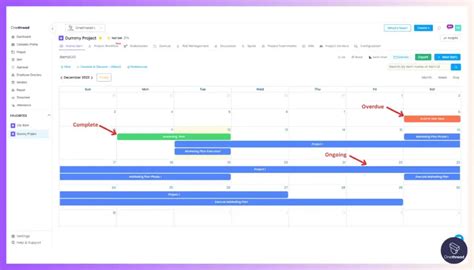
The first step in efficient coverage is knowing what’s happening and when. Relying solely on official announcements is often insufficient; a proactive approach is key. Implement a centralized tracking system, whether it’s a dedicated project management tool, a shared spreadsheet, or a custom internal dashboard.
Monitor official developer blogs, social media channels, community forums (like Reddit or Discord), and public test realms (PTRs). Categorize updates by game, type (e.g., major patch, hotfix, seasonal event, new content), and estimated impact. Assign clear ownership for monitoring specific games or sources to avoid duplication of effort and ensure nothing slips through the cracks.

Streamlining Editorial Workflows and Templates
Speed and consistency are paramount when updates drop. Develop standardized templates for different types of content:
- News Flashes/Patch Notes Summaries: Focus on bullet points, key takeaways, and immediate impact.
- In-Depth News Analysis: Expand on the ‘why’ and ‘what’s next’ for significant changes.
- Guide Updates: Clearly sectioned areas for patch-specific changes, item/ability alterations, or new strategies.
These templates should outline mandatory elements, such as source links, version numbers, and relevant internal links. Additionally, establish clear roles and responsibilities within your team for research, writing, editing, and publishing, ensuring a smooth hand-off process.
Differentiating Between News and Guide Content
While often intertwined, news and guide content serve distinct purposes, and efficient coverage requires treating them as such. News articles are time-sensitive, focusing on announcing changes and their immediate implications. They might cover patch notes, new feature reveals, or event announcements.

Guides, conversely, are designed for longevity. They offer strategic advice, build explanations, or breakdown complex mechanics. When an update affects a guide, the focus should be on updating the relevant sections with precise, actionable information, rather than rewriting the entire piece as a news item. Implement a system to cross-reference news with affected guides, ensuring older content remains accurate and useful.
Leveraging Technology for Efficiency
Modern content management systems (CMS) and associated tools can significantly boost efficiency. Utilize features like:
- Content Versioning: Essential for tracking changes in guides.
- Scheduling Tools: Prepare content in advance for anticipated updates.
- Internal Tagging/Categorization: Easily link related news, guides, and update announcements.
- Notification Systems: Alert team members when new updates are detected or content needs revision.
Consider using AI-powered tools for initial summaries of long patch notes, which can then be refined and expanded by human editors. This can free up valuable time for deeper analysis and guide updates.

Prioritization and Resource Allocation
Not every minor hotfix warrants an extensive article or a full guide overhaul. Effective coverage involves strategic prioritization. Assess updates based on:
- Impact: Does it significantly alter gameplay, balance, or player experience?
- Audience Interest: Is it a highly anticipated change or a niche tweak?
- Resource Availability: What can your team realistically cover well?
Focus your most in-depth resources on major patches, new content releases, and critical balance changes. Minor updates might only require a brief news mention or a quick update to an existing guide’s relevant section. This prevents resource overextension and ensures quality where it matters most.

Building a Feedback Loop with the Community
Your audience is often the first to notice subtle changes or unintended consequences of updates. Foster a strong feedback loop by monitoring comments, social media discussions, and community forums. Player feedback can highlight critical aspects of an update that might have been overlooked, providing valuable insights for both news coverage and guide revisions.
Engaging directly with the community also builds trust and positions your platform as a reliable source of information. Use this direct interaction to refine your understanding of an update’s real-world impact and to identify areas where new guides or updated explanations are most needed.
Conclusion: Agility and Organization are Key
Efficiently covering frequent game updates across both news and guides is a continuous challenge that demands agility, organization, and a strategic mindset. By implementing robust tracking systems, streamlining editorial workflows, differentiating content types, leveraging technology, and prioritizing effectively, content teams can not only keep pace with the ever-evolving gaming world but also establish themselves as authoritative and indispensable resources for their audience. The goal is not just to report changes, but to provide clarity and context, empowering players to adapt and thrive in dynamic game environments.