How to fix PC gaming stuttering & maximize FPS?
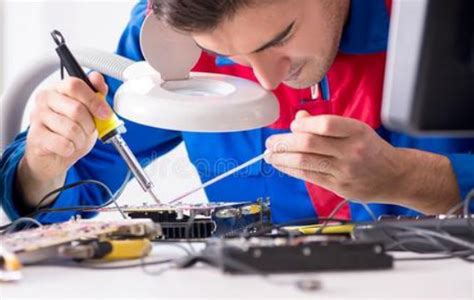
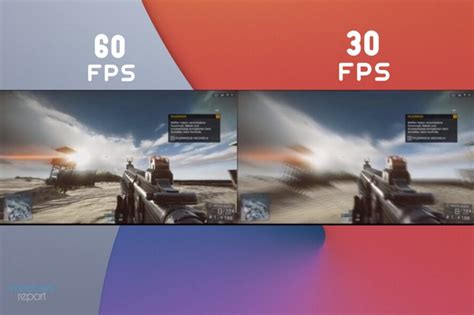
Few things are more frustrating for a PC gamer than experiencing stuttering or consistently low Frames Per Second (FPS). These issues can turn an immersive adventure into a choppy slideshow, ruining your enjoyment and competitive edge. Fortunately, most performance problems can be diagnosed and resolved with a systematic approach. This guide will walk you through common causes and effective solutions to get your games running smoothly and looking their best.
Understanding the Root Causes of Stuttering and Low FPS
Before diving into fixes, it’s crucial to understand why your PC might be struggling. Common culprits include:
- Outdated Drivers: Graphics drivers are vital for game performance; old ones can cause significant issues.
- Background Processes: Other applications consuming CPU, RAM, or GPU resources.
- Overheating: Components (CPU, GPU) will throttle performance to prevent damage when too hot.
- Insufficient Hardware: Your PC might simply not meet the game’s minimum or recommended specifications.
- Incorrect Game Settings: Graphics settings too high for your hardware.
- Power Management Issues: Windows or GPU power settings not optimized for performance.
- Storage Issues: Slow hard drives or fragmented game files.

Essential Software Optimizations
Update Your Graphics Drivers (GPU)
This is arguably the most critical step. NVIDIA, AMD, and Intel regularly release driver updates that include performance optimizations for new games and bug fixes. Download the latest drivers directly from the manufacturer’s website.
Close Background Applications
Applications running in the background, like web browsers, streaming apps, or even system utilities, can consume valuable CPU and RAM. Use Task Manager (Ctrl+Shift+Esc) to identify and close unnecessary processes before gaming.
Optimize Windows Settings
- Game Mode: Ensure Windows Game Mode is enabled (Settings > Gaming > Game Mode).
- Power Plan: Set your power plan to ‘High Performance’ (Search ‘Power & sleep settings’ > Additional power settings).
- Disable Visual Effects: For older systems, disabling some Windows visual effects can free up resources (Search ‘Adjust the appearance and performance of Windows’).
Update Your Operating System
Windows updates often include performance improvements and security patches. Keep your OS up-to-date.

In-Game Settings Tweaks for Performance
Most games offer a wealth of graphical options. Understanding which ones impact performance most can help you find the sweet spot between visuals and FPS.
- Lower Graphics Settings: Start by reducing settings like ‘Texture Quality,’ ‘Shadow Quality,’ ‘Anti-Aliasing,’ and ‘View Distance.’ Shadows and Anti-Aliasing are often the biggest FPS hogs.
- Resolution and Scaling: Playing at your monitor’s native resolution is ideal, but if performance is severe, consider lowering the resolution or using in-game render scaling options (e.g., 75% or 80% render scale at native resolution).
- V-Sync and G-Sync/FreeSync: V-Sync eliminates screen tearing but can introduce input lag and cap your FPS to your monitor’s refresh rate. If you have a G-Sync or FreeSync monitor, enable it in your GPU control panel and the game (if applicable) for a smoother experience without V-Sync’s downsides.
- DirectX Version: Some games allow you to choose between DirectX 11, 12, or Vulkan. Experiment to see which performs best on your hardware.

Hardware-Related Solutions
Monitor Your Hardware
Use tools like MSI Afterburner, HWMonitor, or the built-in Windows Task Manager to monitor CPU, GPU, and RAM usage while gaming. High usage (especially 90-100%) indicates a bottleneck. Also, keep an eye on temperatures.
Check for Overheating
High temperatures cause thermal throttling, reducing performance. Ensure your PC’s cooling system (CPU cooler, GPU fans, case fans) is clean and functioning correctly. Improve airflow inside your case by managing cables and adding/rearranging fans if needed.
Upgrade Your Components
If your hardware consistently struggles, an upgrade might be necessary. The GPU is usually the biggest performance factor, followed by the CPU and sufficient RAM (16GB is now the standard for gaming).
Ensure Proper Power Supply
An underpowered or failing Power Supply Unit (PSU) can lead to instability and performance issues, especially under load. Ensure your PSU meets the recommended wattage for your components.
Advanced Optimization Techniques
GPU Control Panel Settings (NVIDIA/AMD)
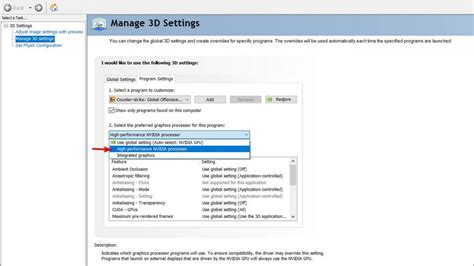
Both NVIDIA Control Panel and AMD Radeon Settings offer global and per-game settings that can override in-game options. Experiment with settings like ‘Power Management Mode’ (NVIDIA: Prefer maximum performance), ‘Texture Filtering Quality’ (AMD: Performance), and disabling ‘Image Sharpening’ or ‘Ray Tracing’ if not needed.
BIOS/UEFI Settings
Ensure your RAM is running at its advertised speed by enabling the XMP (Intel) or DOCP (AMD) profile in your BIOS/UEFI settings. Also, check for any CPU virtualization settings that might be enabled and interfering with gaming.
Overclocking (with caution)
If you have adequate cooling and a stable system, safely overclocking your CPU and/or GPU can yield significant performance gains. However, this is an advanced technique that carries risks and should only be attempted after thorough research.

Conclusion
Fixing PC gaming stuttering and maximizing FPS is often a process of trial and error. By systematically working through software optimizations, tweaking in-game settings, and ensuring your hardware is running optimally, you can transform your gaming experience. Remember to test changes one by one to identify which solutions are most effective for your specific setup. With a little patience, you’ll be enjoying smooth, high-FPS gameplay in no time.