How to future-proof game guides against frequent patch updates?

The Challenge of Ever-Evolving Games
In the fast-paced world of modern gaming, frequent patch updates are the norm, not the exception. While these updates bring new content, balance changes, and bug fixes, they also pose a significant challenge for game guide creators: how to ensure your meticulously crafted guides remain accurate and useful when the underlying game mechanics are constantly shifting? A guide rendered obsolete by a single patch quickly loses its value. Future-proofing your game guides is essential for providing lasting utility to your audience and minimizing your own maintenance workload.
Focus on Foundational Principles, Not Just Numbers
One of the most effective ways to future-proof a guide is to emphasize core game mechanics, strategic thinking, and underlying principles rather than volatile numerical data. While specific damage values, cooldowns, or item stats are prone to change, the fundamental concepts of positioning, resource management, class synergy, or enemy AI patterns often remain consistent. Teach players how to think about the game rather than just what to do in specific scenarios.
Separate Dynamic Data
If numerical data is crucial, consider isolating it. Instead of embedding exact figures directly into paragraphs, create dedicated sections or tables that are easily identifiable and updateable. Better yet, link to official wikis or community-maintained databases that specialize in tracking such statistics. This modular approach allows you to update a single table or link without rewriting entire sections of prose.
Implement Modular Design and Version Control
A monolithic guide is a nightmare to update. Breaking your guide into smaller, self-contained modules or sections makes updates significantly easier. If a patch only affects a specific boss encounter or a particular character build, you only need to revise that one module, not the entire walkthrough.

Utilize Versioning and Changelogs
Clearly state the game version your guide applies to at the beginning of the article. Furthermore, maintain a changelog section (or link to one) where you document what has been updated, when, and for which game version. This transparency helps readers understand the guide’s relevance and history, building trust and making it easier for them to identify sections that might need their attention if they are on a different game version.
Leverage Dynamic Content and Community Contributions
For highly volatile information, explore options for dynamic content. If the game has an API, it might be possible to pull in real-time data. For most, this means integrating community-driven content platforms.

Harness Player Knowledge
Consider integrating features that allow community members to suggest edits, report outdated information, or contribute directly (with proper moderation). Wikis are excellent examples of this model. Even a simple comment section where players can flag inaccuracies can be invaluable, turning your audience into a distributed update team.
Choose the Right Platform and Tools
The platform you use to publish your guides plays a significant role in their maintainability. Traditional static HTML pages are often cumbersome to update. A Content Management System (CMS) or a dedicated wiki platform offers tools for easy editing, versioning, and collaborative work.
Streamline Your Workflow
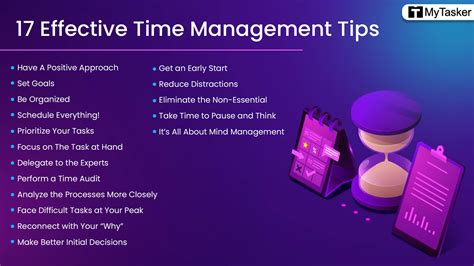
Look for platforms that support features like template usage, content reuse, and easy bulk editing. The less friction there is to making an update, the more likely you are to keep your guides current. Automate as much of the update process as possible.
Regular Review and Proactive Maintenance
Even with the best future-proofing strategies, regular maintenance is unavoidable. Schedule periodic reviews of your most popular or patch-sensitive guides. Monitor official patch notes closely and be prepared to make swift updates when significant changes occur. Establishing a routine for checking and updating your content ensures its continued accuracy and relevance.

Conclusion
Future-proofing game guides is an ongoing process that requires a strategic approach to content creation and maintenance. By focusing on foundational principles, adopting modular design, leveraging dynamic data, engaging the community, and utilizing efficient tools, you can create guides that stand the test of time and frequent game updates. This not only benefits your audience with reliable information but also enhances your reputation as a valuable resource in the ever-evolving gaming landscape.