How to keep gaming walkthroughs current with constant patches?

Modern video games are living, evolving entities. Gone are the days of a game launching as a finished product, never to be touched again. Today, developers frequently release patches, hotfixes, and major content updates that can drastically alter gameplay mechanics, item locations, questlines, and even story elements. For creators of gaming walkthroughs, this dynamic environment presents a unique and constant challenge: how do you keep your guides accurate and useful when the very game they describe is a moving target?

The Dynamic Nature of Modern Gaming
The prevalence of live-service games, digital distribution, and post-launch support means that nearly every title, from indie darlings to AAA blockbusters, can receive updates. These patches might fix bugs, rebalance characters, add new areas, or change core systems. What was once a definitive solution or an optimal strategy in your walkthrough can become outdated, misleading, or even detrimental to a player’s experience overnight.
Strategies for Proactive Walkthrough Maintenance
Successfully navigating this ever-changing landscape requires a proactive, rather than reactive, approach to walkthrough creation and maintenance. Here are several strategies to keep your guides evergreen:

1. Embrace Version Control and Patch Notes
- Document Changes: Always note the game version your walkthrough covers. When a significant patch drops, update this version number prominently.
- Track Developer Communications: Regularly monitor official patch notes, developer blogs, and social media channels. These are your primary sources for understanding upcoming changes.
- Timestamp Updates: Add clear timestamps to sections of your guide that have been specifically revised due to a patch. This helps users understand the currency of the information.
2. Design for Modularity and Flexibility
Instead of monolithic blocks of text, structure your walkthroughs with modularity in mind. Break down information into distinct sections that can be easily updated or replaced without overhauling the entire guide.
- Separate Core Mechanics: Distinguish between fundamental game mechanics (less likely to change) and specific quest steps or item locations (more prone to updates).
- Use Anchors and Internal Links: Allow for easy navigation to specific sections. If one section changes, users can be directed there directly.
- Highlight Volatile Information: Clearly mark sections that are particularly susceptible to change, such as ‘current meta’ build guides or exploit explanations.

3. Leverage Community Feedback
Your users are often the first to experience and report changes. Foster a community around your walkthroughs:
- Comment Sections: Encourage users to report outdated information or new discoveries in your guide’s comment sections.
- Discord/Forums: Create dedicated spaces where players can discuss game changes and contribute to guide refinement.
- Feedback Forms: Provide an easy way for users to submit corrections directly.
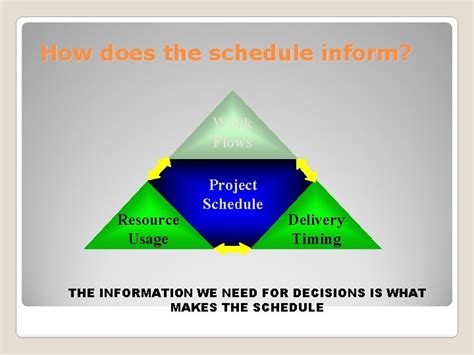
4. Implement a Scheduled Review and Update Cycle
Don’t wait for reports of outdated information. Proactively schedule reviews for your walkthroughs, especially for popular or high-traffic titles.
- Regular Audits: Set a cadence (e.g., monthly, quarterly) to revisit sections of your guides and cross-reference them with current game versions.
- Prioritize Critical Guides: Focus review efforts on guides for games that are actively receiving patches or are consistently popular.
5. Utilize Developer-Provided Tools and APIs
Some developers offer public APIs or data feeds that can be used to automatically pull game data, such as item stats or quest objectives. While this requires technical expertise, it can significantly reduce manual update work for certain types of information.
Tools and Best Practices
- Content Management Systems (CMS): Use a CMS that allows for easy editing, versioning, and publishing of content.
- Collaboration Tools: If working with a team, utilize tools like Google Docs, Notion, or Trello to track changes and assignments.
- Dedicated ‘Last Updated’ Indicator: A clear ‘Last Updated:’ date at the top of your guide is crucial for user trust.
- ‘Known Issues’ Section: Create a temporary section for recent changes or known bugs that are awaiting a fix, helping players navigate current game states.

Conclusion
Keeping gaming walkthroughs current with constant patches is an ongoing commitment, but it’s essential for providing value to your audience. By adopting a strategic approach that includes diligent monitoring of game updates, modular content design, active community engagement, and consistent review cycles, you can ensure your guides remain a trusted and reliable resource for gamers navigating the ever-evolving world of video games. This dedication not only benefits your users but also solidifies your reputation as a knowledgeable and dependable content creator.