





How to keep your gaming guides updated efficiently post-patch?

The Ever-Evolving Game World: Why Guide Updates Matter
In the dynamic realm of video games, a patch can drop at any moment, turning your perfectly crafted guide into an archaeological artifact overnight. From balance adjustments to new content and mechanic overhauls, game updates constantly reshape the landscape. For content creators, keeping guides current isn’t just about accuracy; it’s about maintaining credibility, providing true value to your audience, and ensuring your resources remain relevant. The challenge isn’t just what to update, but how to do it efficiently without burning out or falling permanently behind.
1. Proactive Monitoring: Stay Ahead of the Curve
The first step to efficient guide updates is knowing what’s coming and when. Instead of reacting to changes, strive to anticipate them.
- Subscribe to Official Channels: Follow game developers on social media, subscribe to their newsletters, and regularly check official forums or websites for patch notes, developer diaries, and public test realm (PTR) announcements.
- Engage with the Community: Join dedicated Discord servers, Reddit communities, and fan forums. Often, astute players or data miners will identify upcoming changes or discuss the implications of new patches even before official notes are fully disseminated.
- Set Up Alerts: Use tools like Google Alerts for specific game terms or keywords related to upcoming patches to catch news quickly.
2. Establish a Streamlined Workflow for Updates
Without a clear process, updating guides can quickly become chaotic. A structured approach saves time and reduces errors.
- Centralized Documentation: Keep all your guide drafts and source material in a centralized, easily accessible location. Cloud-based platforms like Google Docs, Notion, or a personal wiki work wonders for collaboration and version control.
- Version Control: Implement a simple version control system. Before making major changes, duplicate the existing guide and label it with the patch version it corresponds to. This allows you to revert if necessary and track evolution.
- Categorize Changes: When a new patch drops, quickly skim the notes and categorize the impact on your guides. Is it a minor number tweak, a significant mechanic change, or a completely new system? Prioritizing helps you focus your efforts.
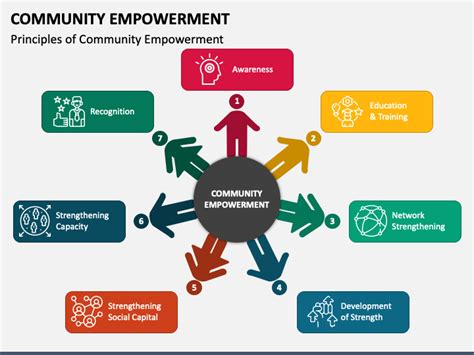
3. Leverage Community Contributions and Feedback
You don’t have to be a lone wolf in this endeavor. Your audience can be your most valuable asset.
- Encourage Feedback: Clearly state in your guides that feedback is welcome and provide an easy way for users to report inaccuracies or suggest updates (e.g., a comment section, a dedicated Discord channel, or a contact email).
- Cross-Reference Information: While you shouldn’t rely solely on community input, cross-referencing user reports with official notes or in-game testing can help you quickly identify critical areas needing attention.
- Acknowledge Contributors: Recognizing those who help keep your guides accurate fosters a stronger community and encourages continued engagement.
4. Utilize Tools and Techniques for Efficiency
Several tools and techniques can drastically cut down on the time spent updating.
- Text Comparison Tools: For text-heavy guides, use ‘diff’ tools (like WinMerge or online text comparators) to compare previous patch notes with new ones, or your old guide content with a proposed update. This highlights exact changes.
- Screenshot/Screencast Software: For visual guides, efficient screenshot and video capture tools are essential. Keep a library of frequently used in-game images and only update those directly affected by visual changes.
- Templating: For guides with repetitive structures (e.g., character builds, item lists), use templates. Updating a single template element can propagate changes across multiple sections or even multiple guides.
5. Prioritize and Iterate: Not All Changes Are Equal
You can’t update everything at once. Focus your efforts where they’ll have the most impact.
- Critical vs. Minor: Prioritize updates that address game-breaking bugs, meta-shifting balance changes, or new content crucial for progression. Minor cosmetic changes or small numerical adjustments can often wait.
- Mark Updated Sections: Clearly indicate when a guide was last updated and which sections have been specifically revised. A simple ‘Updated for Patch X.Y’ banner or ‘NEW!’ tags next to newly added content helps users understand the guide’s currency.
- Rolling Updates: Instead of waiting to publish a perfectly overhauled guide, consider rolling out updates incrementally. Publish critical fixes first, then follow up with comprehensive revisions as time allows.
Conclusion: The Value of Persistent Accuracy
Keeping gaming guides updated efficiently post-patch is an ongoing commitment, but one that significantly enhances your value as a content creator. By adopting proactive monitoring, establishing clear workflows, embracing community input, utilizing smart tools, and prioritizing your efforts, you can transform the daunting task of guide maintenance into a manageable and rewarding process. Your audience will thank you for providing consistently accurate and reliable information, solidifying your reputation as a trusted resource in the ever-evolving world of gaming.



