How to quickly identify critical game updates vs. marketing fluff for my top games?

Navigating the Deluge of Game Information
In the fast-paced world of gaming, staying informed about your favorite titles is a constant challenge. Developers constantly push out announcements, from crucial bug fixes and balance changes to new cosmetic items and community events. For dedicated players, sifting through this information to find what truly matters – the critical updates that impact gameplay – can feel like searching for a needle in a haystack of marketing fluff.
The Signal vs. Noise Problem in Gaming
Modern game development involves continuous iteration, meaning updates are frequent. However, not every announcement holds equal weight. Game studios often bundle genuine patch notes with promotional content, social media campaigns, and general hype. Players need a reliable method to cut through the noise and identify the ‘signal’ – the information that directly affects their gameplay experience, performance, or competitive edge.

Where Critical Updates Reside
Critical updates, such as performance optimizations, game-breaking bug fixes, balance changes, or significant new features, are usually communicated through specific, authoritative channels. Knowing where to look is half the battle:
- Official Patch Notes & Developer Blogs: This is the gold standard. Developers provide detailed lists of changes, often with explanations for their decisions. Bookmark these pages for your top games.
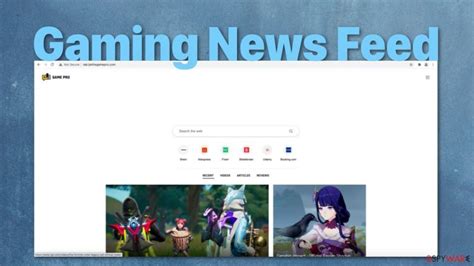
- Game Launchers & Platform News Tabs: Platforms like Steam, Epic Games Store, Battle.net, or console dashboards often have dedicated news sections that aggregate official updates directly from the developers.
- Official Forums & Discord Servers: Many developers maintain active communities where staff often post or link directly to important updates and engage with player feedback.
- Reputable Gaming News Outlets (Specialized): Some gaming sites focus heavily on competitive play or specific genres and will dissect official patch notes, highlighting the most impactful changes.
Spotting Marketing Fluff
Marketing fluff often aims to generate excitement, drive sales, or promote new content that isn’t essential to the core gameplay experience. While not inherently bad, it’s crucial to distinguish it from critical game health updates:
- New Cosmetic Items & Skins: Announcements for purchasable outfits, weapon skins, emotes, or minor customizations are almost always marketing.
- Seasonal Events & Battle Passes: While they offer new content, these are typically self-contained promotions with limited-time rewards, not core game-altering updates (unless they introduce new game modes permanently).
- Sales, Discounts, & Bundles: Purely commercial announcements designed to encourage purchases.
- Merchandise & Partnership Announcements: News about action figures, clothing lines, or collaborations with other brands falls squarely into marketing.
- General ‘Hype’ Videos & Teasers: While exciting, these are often designed to build anticipation rather than deliver actionable information about game changes.
Strategies for Efficient Information Processing
To quickly identify what matters, adopt these habits:
- Prioritize Official Sources: Always check the developer’s official website or patch notes first. Community discussions are great for interpretation but less reliable for raw information.
- Skim for Keywords: Scan headlines and summaries for terms like “patch notes,” “bug fix,” “balance changes,” “performance improvement,” “critical,” “exploit,” or “server maintenance.”
- Filter Notifications: Utilize notification settings on Discord, social media, or news aggregators to tailor what you see. Follow only the most direct official channels for your top games.
- Read the ‘TL;DR’ (Too Long; Didn’t Read): Many developers and community members provide concise summaries of extensive patch notes. Use these to gauge if a deeper dive is necessary.
The “So What?” Test
When you encounter a new announcement, ask yourself: “So what? How does this directly affect my ability to play the game, its performance, or its competitive meta?” If the answer isn’t immediately clear, or if the announcement primarily focuses on aesthetics or new purchase opportunities, it’s likely marketing fluff. Critical updates directly address issues or introduce features that alter the gameplay experience at a fundamental level.
By consciously seeking out official, detailed communications and applying a critical lens to broader announcements, you can significantly reduce the time spent sifting through irrelevant information. This allows you to stay truly informed about the health and evolution of your favorite games, ensuring you’re always ready for the next critical update.