





How to structure game guides for optimal readability and minimal spoilers?
Crafting a game guide is a delicate art. Players seek assistance, but often wish to preserve the joy of discovery and avoid narrative spoilers. The challenge lies in providing clear, concise help exactly when it’s needed, without inadvertently revealing critical plot points or ruining the experience. This article delves into effective strategies for structuring your game guides to achieve optimal readability and minimize unwanted spoilers, ensuring players get the support they need without sacrificing their immersion.
Core Principles for Optimal Guide Structure
A well-structured guide is intuitive and easy to navigate. Think of it as a roadmap for the player, allowing them to jump directly to their point of confusion without sifting through irrelevant information. Key principles include:
- Modular Design: Break down your guide into distinct, self-contained sections. This could mean separate chapters for the main story, side quests, collectibles, boss strategies, or character builds. This allows players to find specific information quickly without scrolling through a monolithic text block.
- Progressive Disclosure: Information should be revealed progressively. Start with basic mechanics and general tips, then move to quest-specific details, and finally, to more advanced or spoiler-heavy content. The player should only see the information relevant to their current progress or specific query.
- Clear Navigation: Implement a Table of Contents (TOC) at the beginning of your guide, with internal links to each major section. Use clear, descriptive headings (H2s and H3s) for each segment. This makes it simple for players to locate what they need at a glance.

Strategic Spoiler Management
Minimizing spoilers is paramount to a player’s enjoyment. Even minor details can sometimes detract from the intended experience. Here’s how to manage spoilers effectively:
- Explicit Spoiler Warnings: For any section containing significant plot revelations or unexpected twists, always begin with a clear, bold spoiler warning. For example, “SPOILER ALERT: This section discusses major plot developments. Proceed with caution.“
- Separate Spoiler Sections: Consider creating entirely separate sections or even distinct pages for highly spoiler-sensitive content (e.g., “Endings Explained,” “Major Character Deaths”). Link to these from the main guide with prominent warnings.
- Focus on Mechanics, Not Narrative: When describing a puzzle or boss fight, focus on the ‘how’ – the mechanics, weaknesses, or solution – rather than the ‘why’ or the narrative context. Describe what to do, not necessarily what happens next in the story.
- Avoid Premature Revelations: Don’t mention future events or items too early. If a specific item is crucial for a late-game puzzle, only introduce it when it becomes relevant.

Enhancing Readability for Quick Answers
Players often consult guides in moments of frustration or confusion, seeking quick answers. Readability is key to delivering that information efficiently:
- Use Descriptive Headings: Beyond H2s, use H3s and H4s to break down sections further. For example, under “Side Quests,” you might have “H3: The Whispering Woods” and then “H4: Find the Lost Artifact.”
- Bullet Points and Numbered Lists: For instructions, steps, or lists of items, always opt for bullet points or numbered lists. This breaks up text and makes information digestible at a glance.
- Bold Key Information: Important names (characters, locations, items), critical instructions, or numerical values should be bolded to stand out.
- Concise Language: Get straight to the point. Avoid verbose descriptions or unnecessary prose. Players want solutions, not literary analysis.
- Whitespace: Don’t cram too much text together. Use paragraphs effectively and ensure there’s enough whitespace to prevent the page from looking overwhelming.
Advanced Tips for Comprehensive Guides
Taking your guides to the next level involves continuous refinement and a player-centric approach:
- Know Your Audience: Is your guide for beginners, experts, or completionists? Tailor the depth of information and the tone accordingly.
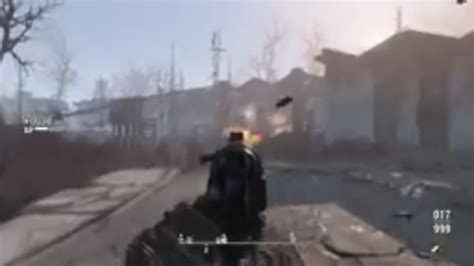
- Incorporate Visual Aids: While our anchors are placeholders, remember that in a live guide, maps, screenshots, and diagrams are invaluable. They can convey complex information far more efficiently than text alone and help players orient themselves.
- Regular Updates: Games often receive patches, DLCs, or balance changes. Keep your guide updated to ensure its accuracy and relevance.
- Proofread Meticulously: Typos, grammatical errors, or incorrect information can severely undermine a guide’s credibility and usefulness.
Conclusion
Effective game guides are a cornerstone of the gaming community, providing invaluable assistance while respecting the player’s journey. By meticulously structuring your content, implementing robust spoiler management, and prioritizing readability, you can create guides that are both comprehensive and considerate. Remember, the goal is to empower players to overcome challenges and fully enjoy their experience, not to dictate it. Master these principles, and your guides will become trusted companions for countless adventurers.



