





How to structure game guides for quick answers and deep dives, satisfying all player skill levels?

The Challenge of Universal Game Guides
Creating a game guide that effectively serves everyone from the absolute beginner to the seasoned veteran is a significant challenge. New players often want immediate solutions to specific problems, while experienced players delve into intricate mechanics, optimal strategies, and advanced theorycrafting. A poorly structured guide can overwhelm novices or frustrate experts searching for granular detail. The key lies in a layered approach that provides easy access to essential information while also offering pathways to deeper understanding.
Understanding Your Diverse Audience
Before structuring, consider the needs of each player segment:
- Beginners: Seek quick answers to basic questions (e.g., “How do I craft X?”, “Where do I go next?”). They need clear, concise steps and don’t want to sift through pages of advanced data.
- Intermediate Players: Look for efficiency and optimization (e.g., “What’s a good build for this character?”, “How do I beat this boss easily?”). They appreciate tactical advice and explanations of mechanics relevant to their goals.
- Expert Players: Desire comprehensive data, advanced strategies, meta-analysis, and niche information (e.g., “What’s the optimal DPS rotation considering X and Y buffs?”, “How do minor stat differences affect end-game viability?”). They crave detail and often want to challenge existing meta-knowledge.

The Layered Approach: Quick Answers First
The most effective guides adopt a layered structure, prioritizing accessibility for those seeking immediate information. Start with the most critical, high-level answers:
- Executive Summaries/TL;DR: Begin sections or the entire guide with a concise summary of key takeaways, perfect for players in a hurry.
- Bullet Points and Lists: Use these for essential steps, item locations, or common questions.
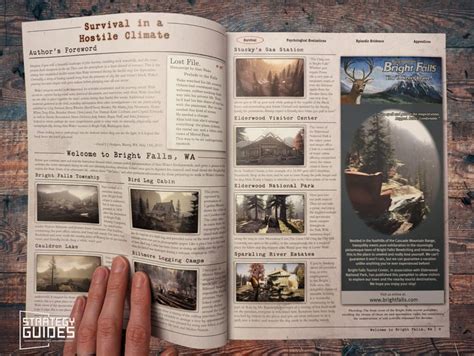
- Visual Aids: Infographics, flowcharts, and annotated screenshots can convey complex information at a glance more effectively than paragraphs of text.
- Clear Headings: Employ descriptive
<h2>and<h3>tags that clearly indicate the content of each section, allowing users to scan and jump to relevant parts.
Deep Dives for the Dedicated
Once the quick answers are covered, provide the option for players to delve deeper. These sections should be clearly separated and marked as more advanced or detailed content:
- Detailed Explanations: Elaborate on mechanics, provide numerical data, and explain the ‘why’ behind certain strategies.
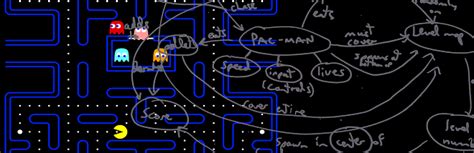
- Theorycrafting and Math: Include formulas, calculations, and in-depth analyses of damage output, resource management, or other complex systems.
- Pros and Cons: Discuss the advantages and disadvantages of different choices, builds, or approaches.
- Advanced Strategies: Outline high-skill maneuvers, niche setups, or less obvious tactics that experts might appreciate.
- Case Studies/Examples: Illustrate complex points with specific in-game scenarios or character builds.
Optimizing Navigation and User Experience
A brilliant guide is useless if players can’t find what they need. Prioritize navigation:
- Table of Contents (ToC): A dynamic or sticky ToC at the beginning of the guide, with anchor links to each heading, is crucial.
- Internal Linking: Throughout the guide, use hyperlinks to cross-reference related sections, allowing players to jump between topics seamlessly.
- Search Functionality: If published on a website, ensure robust search capabilities.
- Consistent Formatting: Use bolding, italics, and clear paragraph breaks to improve readability.

Integrating Multimedia and Community Feedback
Enhance the guide with various media and keep it current:
- Screenshots and GIFs: Visually demonstrate locations, item usage, or combat sequences.
- Video Embeds: For complex boss fights, puzzles, or movement techniques, a short video can be invaluable.
- Community Contribution: Encourage comments, suggestions, and corrections. Acknowledge and integrate valuable feedback to keep the guide accurate and comprehensive.
- Regular Updates: Games evolve with patches and expansions. Treat guides as living documents, updating them to reflect changes in mechanics, items, or meta-strategies.
Conclusion
Structuring game guides to satisfy all player skill levels requires a thoughtful, multi-layered approach. By prioritizing quick answers and easy navigation for beginners, while clearly signposting pathways to extensive detail for experts, you can create a truly universal resource. This balance not only improves user experience but also positions your guide as an indispensable tool for the entire gaming community.



