How to structure game guides for quick answers & minimal spoilers?

Balancing Help and Discovery in Game Guides
Creating an effective game guide is a delicate art, especially when the goal is to provide quick, reliable answers without inadvertently ruining the player’s experience with spoilers. Players often turn to guides when they’re stuck, not necessarily to have the entire game laid out for them. The key lies in strategic structuring, thoughtful information disclosure, and intuitive navigation.

Designing for Instant Solutions
When a player is searching for a solution, time is of the essence. They want to find their answer, implement it, and get back to playing. Your guide’s structure should facilitate this efficiency.
- Clear Table of Contents/Navigation: At the very top, provide a comprehensive, clickable table of contents. Categorize sections logically by game area, quest name, collectible type, or boss encounter. This allows players to jump directly to their point of need.
- Descriptive Headings and Subheadings: Use precise, question-based, or problem-focused headings (e.g., “How to Beat the Blight Fiend,” “Where to Find the Crimson Key,” “Solving the River Puzzle”). Avoid vague titles.
- Concise Language: Get straight to the point. While detail is good, excessive fluff can obscure the answer. Use bullet points, numbered lists, and bold text to highlight crucial steps or items.
- Quick Reference Sections: Consider a “Q&A” or “Common Roadblocks” section for frequently encountered issues, allowing players to quickly scan for their specific problem.
Protecting the Player’s Journey: Minimizing Spoilers
No one wants a pivotal plot twist or late-game surprise spoiled. Guide writers have a responsibility to respect the player’s discovery process.
- Contextual Spoiler Warnings: Implement clear, visible spoiler warnings at the beginning of sections that contain significant plot points, boss reveals, or major character developments. A simple “SPOILER WARNING: Plot details ahead for Chapter 5” can make all the difference.
- Progressive Information Disclosure: Structure your guide so that essential, spoiler-free information (e.g., basic controls, early-game mechanics, non-story collectibles) is easily accessible first. Story-heavy content should be compartmentalized and come later.
- Separate Spoiler Sections: For major plot elements or secret endings, consider creating entirely separate, clearly labeled sections that players must actively click into or scroll past. You can even use expandable/collapsible elements for these.
- Focus on Mechanics, Not Narrative: When explaining how to overcome a challenge, focus on the gameplay mechanics, strategies, and item usage rather than deeply diving into the narrative implications, unless absolutely necessary and clearly marked.

Recommended Guide Structure Segments
A well-rounded guide can be broken down into several distinct sections, each catering to different player needs while adhering to spoiler-prevention principles:
- Introduction & Getting Started (Spoiler-Free):
- Basic controls, UI explanation, character creation tips.
- Early game mechanics, general tips for beginners.
- Main Story Walkthrough (with Warnings):
- Chronological breakdown of story missions/chapters.
- Clear warnings before major plot points or boss fights.
- Focus on objectives, puzzles, and combat strategies.
- Side Quests & Optional Content (Often Spoiler-Free):
- Detailed guides for side missions, often without heavy plot implications.
- Listings of character quests, faction missions, etc.
- Collectibles & Secrets (Often Spoiler-Free, but can have location spoilers):
- Maps, checklists, and precise locations for all hidden items.
- Ensure these don’t reveal story elements unless warned.
- Boss Strategies (with Warnings):
- Dedicated sections for major enemy encounters.
- Provide attack patterns, weaknesses, recommended gear, and tactics.
- Crucially, warn about the boss’s identity or significance if it’s a plot spoiler.
- Crafting & Equipment (Spoiler-Free):
- Recipes, material locations, upgrade paths.
- Best-in-slot gear recommendations.
- Achievements & Trophies (Often Spoiler-Free, but some are secret):
- Guides on how to unlock each one.
- Clearly mark secret or hidden achievements.
- FAQs & Troubleshooting (Spoiler-Free):
- Common questions, technical issues, and solutions.

The Role of Visuals and Formatting
Beyond the textual structure, how your guide looks and is formatted plays a crucial role in its usability and spoiler-friendliness.
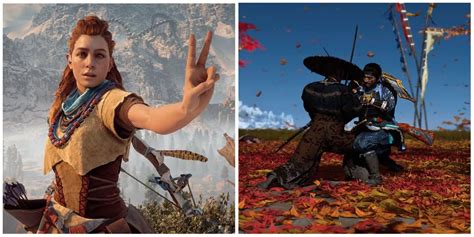
- Visual Aids: Use screenshots, maps, and short video clips (if embedded) to illustrate complex puzzles, boss patterns, or collectible locations. A picture is often faster than a thousand words.
- Consistent Formatting: Maintain a uniform style for headings, bullet points, bolding, and warning boxes. This makes the guide predictable and easy to navigate.
- Interactive Elements: If your platform allows, implement features like collapsible sections, search bars, and cross-linking to enhance the user experience and allow players to dig deeper only when they choose.

Conclusion
A truly professional game guide serves as a valuable companion, not a replacement for the game itself. By meticulously structuring your content for quick answers and rigorously guarding against accidental spoilers, you empower players to overcome challenges at their own pace, enhancing their overall enjoyment and ensuring your guide becomes a trusted resource. It’s about respecting the player’s journey and providing help exactly when and where it’s needed, without diminishing the magic of discovery.