How to structure game guides for quick answers while avoiding unnecessary spoilers?
Writing an effective game guide is an art form, demanding a delicate balance between providing comprehensive information and preserving the player’s sense of discovery. The ultimate goal is to offer a helpful resource that answers specific questions efficiently, without inadvertently spoiling critical story beats or future challenges. This guide explores strategies to structure your game walkthroughs to achieve both quick answers and rigorous spoiler control.
The Core Challenge: Balancing Information and Discovery
The inherent conflict in game guide creation lies in the dual nature of player needs. Some players seek immediate solutions to pressing problems – where is this item? How do I beat this boss? Others want a general direction without having the entire narrative laid bare. A poorly structured guide can either be frustratingly vague or devastatingly revelatory, undermining the very experience it aims to enhance.
Understanding the player’s intent is crucial. Are they stuck on a puzzle, searching for a collectible, or simply looking for optimal build advice? A versatile guide anticipates these diverse needs and provides pathways to relevant information without forcing an unwanted narrative progression upon the reader.
Structuring for Immediate Utility
To ensure players can find answers quickly, guide structure must prioritize clarity and accessibility.
Implement a Robust Table of Contents
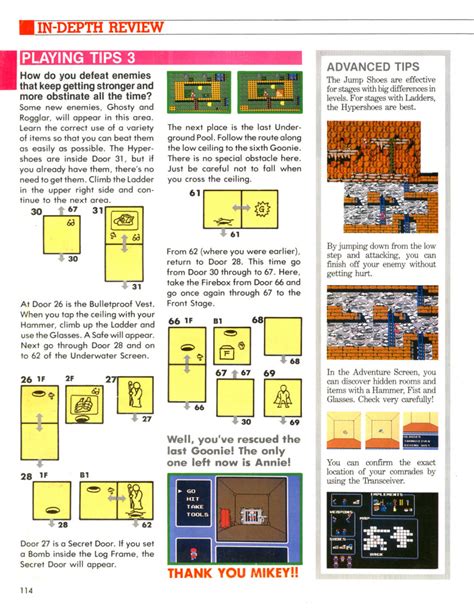
A detailed, interactive table of contents (TOC) is non-negotiable. It should break down the game into logical segments (e.g., chapters, missions, areas, boss fights, collectibles) allowing players to jump directly to their point of interest. Each entry should be descriptive enough to hint at the content without giving away crucial details.
Utilize Clear and Descriptive Headings
Within each section, use concise, keyword-rich headings (e.g., H3, H4) that accurately reflect the content below. Instead of vague titles, opt for specific questions or solutions like “How to Solve the Sunken Temple Puzzle” or “Location of All Red Coins in World 3-2.” This makes scanning for information much faster.
Prioritize Actionable Information
When providing answers, get straight to the point. While a bit of context can be helpful, avoid lengthy prose where a bulleted list or a direct instruction would suffice. For example, a boss guide should immediately list weaknesses, optimal strategies, and recommended gear, rather than burying it within a narrative description of the fight.

Mastering Spoiler Prevention
Protecting the player’s experience from unwanted spoilers requires a multi-layered approach.
Employ Visible Spoiler Warnings
For any section that contains significant plot spoilers, character reveals, or late-game content, clearly mark it with a prominent warning. This could be a bolded paragraph at the top of a section or a dedicated ‘Spoiler Alert’ box. Give players the option to click to reveal or skip the section entirely.
Segment Content by Game Progression
Organize your guide strictly by the natural progression of the game. Separate sections for each chapter, mission, or distinct geographical area. This ensures that a player looking for help in Chapter 3 won’t accidentally stumble upon details from Chapter 8. Avoid cross-referencing future events without explicit warnings.
Use Collapsible Sections or Separate Pages
For particularly sensitive information, consider using interactive elements. Collapsible HTML sections (often labeled “Click to Reveal Spoiler”) are excellent for specific plot points or secret endings. Alternatively, maintain entirely separate sub-guides for things like “Endings Explained” or “Post-Game Content,” which players must actively seek out.

Best Practices for a Seamless Player Experience
Beyond core structure, several practices can elevate your guide from merely functional to truly exceptional.
Offer Spoiler-Free Paths or General Advice
Consider creating a ‘spoiler-free’ walkthrough option for main story beats, which focuses purely on gameplay mechanics and progression without delving into narrative details. Provide general strategic advice rather than specific plot solutions, allowing players to piece together the story themselves.
Integrate Search Functionality
If your guide is part of a larger website, robust search functionality is paramount. Ensure your content is indexed well and uses common keywords players might search for. This external search capability complements your internal TOC and headings.

Conclusion: Crafting the Perfect Companion
Building a game guide that is both a quick reference and a spoiler-safe zone is a continuous effort. It requires meticulous planning, a deep understanding of the game, and empathy for the player’s journey. By implementing clear hierarchical structures, segmenting content mindfully, and employing visible spoiler controls, you can craft a guide that truly serves as an invaluable companion, enhancing rather than hindering the magic of gaming.