How to structure game guides for quick, spoiler-free help with common player issues?
The Challenge of Effective Game Guides
Players often turn to game guides when they’re stuck, seeking immediate solutions without wanting the entire game spoiled. Crafting guides that serve this dual purpose—providing quick, accurate help while preserving the player’s discovery experience—requires a thoughtful structural approach. This article explores best practices for designing game guides that address common player issues efficiently and without unnecessary spoilers.
Prioritizing Quick Access and Spoiler Control
The primary goal of a good game guide is to resolve specific player roadblocks quickly. This means the information must be easy to find and understand. Equally important is managing spoilers. Players want a nudge in the right direction, not a full narrative reveal or the solution to a puzzle they haven’t even encountered yet.
1. Clear and Descriptive Headings
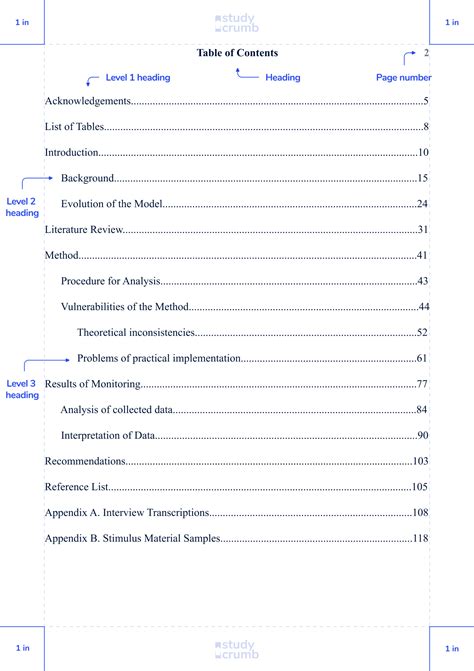
Organize your guide with headings that clearly state the problem or area being addressed. Avoid vague titles. For example, instead of “Chapter 3,” use “Chapter 3: The Sunken Temple Puzzle” or “How to Defeat the Stone Golem.” A hierarchical heading structure (H2 for major sections, H3 for sub-problems) aids navigability.
2. Issue-Oriented Sections
Structure your guide around common player pain points. Think about the types of questions players ask: “How do I beat this boss?”, “Where is item X?”, “What’s the solution to puzzle Y?”, “How do I unlock Z?”. Each major section should aim to answer one of these specific questions.
For example:
- Boss Fights: Break down strategies by boss name.
- Puzzles: Title sections by puzzle location or unique identifier.
- Collectibles: List by area or type, with clear directions.
- Side Quests: Group by quest giver or starting location.

3. Strategic Spoiler Management
This is perhaps the most critical aspect. Implement clear spoiler warnings or, better yet, use techniques to hide sensitive information. Common methods include:
- Dedicated Spoiler Boxes: Use distinct visual cues (e.g., a “Spoiler Alert” banner) for information that might reveal plot points or late-game mechanics.
- Progressive Hints: Offer increasingly detailed hints rather than immediate solutions. Start with a subtle clue, then a stronger one, and finally the full answer.
- Spoiler Tags/Click-to-Reveal: For web-based guides, use interactive elements where players must click or hover to reveal spoiler content.
- Separate Sections for Story vs. Mechanics: Keep plot-critical information distinct from gameplay mechanics.

4. Concise and Actionable Solutions
Once a player has found the relevant section, the solution should be direct and to the point. Avoid lengthy prose where a bulleted list or a few short sentences will suffice. Use bold text for key terms, item names, or directions. Provide steps that are easy to follow.
Example: “To open the Ancient Gate: 1. Locate the three Sunstone Shards (Map A, B, C). 2. Place them in the altar’s pedestals. 3. Interact with the central glyph.”

Enhancing Usability and Searchability
Beyond internal structure, consider how players will search for your guide and specific information within it. Use strong, relevant keywords in your headings and introductory paragraphs. For online guides, implement a robust search function and consider an alphabetized index for key terms (e.g., item names, character names, quest titles).
Conclusion
Structuring a game guide for quick, spoiler-free help is an art that balances thoroughness with conciseness and accessibility. By focusing on clear, issue-oriented sections, strategically managing spoilers, and presenting actionable solutions, guide creators can significantly enhance the player experience, allowing them to overcome challenges while still enjoying the thrill of discovery.