How to structure game reviews for objectivity, yet retain a distinct critical voice?

Navigating the Dual Challenge of Game Reviewing
The landscape of game criticism is a complex one, constantly demanding a delicate balance from reviewers. On one hand, readers seek objective data and verifiable insights to inform their purchasing decisions. On the other, they crave the unique perspective, wit, and informed opinion that defines a truly distinct critical voice. Achieving this equilibrium is not merely an art but a learned skill, requiring a structured approach to analysis and a confident articulation of one’s findings.
Establishing the Bedrock of Objectivity
Objectivity in game reviews doesn’t mean stripping away all personal feelings; rather, it means presenting information in a clear, verifiable, and unbiased manner. This involves dissecting a game into its core components and evaluating each based on observable facts and industry standards. Key areas for objective analysis include:
- Gameplay Mechanics: How do the systems work? Are controls responsive? Is the learning curve fair? Do bugs impede core functionality?
- Technical Performance: What is the frame rate like? Are there significant glitches, crashes, or optimization issues? How are load times?
- Graphical & Audio Fidelity: What is the resolution, art style, sound design, voice acting quality? Are there technical issues with presentation?
- Content & Value: How much gameplay is offered? What is the replayability? Does the price reflect the content provided?
By systematically addressing these points, reviewers provide readers with a factual foundation, allowing them to understand the game’s inherent qualities and technical execution before delving into subjective interpretations.

Cultivating a Distinct Critical Voice
While objective analysis forms the backbone, the critical voice breathes life into a review. This is where the reviewer’s expertise, personal taste (within reason), and unique perspective shine. A strong critical voice doesn’t just describe; it analyzes, interprets, and contextualizes. It asks:
- Why do these mechanics work or fail?
- How does the narrative impact the player emotionally or intellectually?
- What does the game contribute to its genre or the broader industry?
- What specific moments or design choices elevate or detract from the experience?
Your voice is your brand. It’s the unique lens through which you view games, your chosen lexicon, your sense of humor, and the depth of your insight. It should be consistent enough to be recognizable, yet adaptable enough to suit the game being reviewed. This critical layer transforms a mere report into a compelling piece of journalism.

A Structured Approach to Reviewing
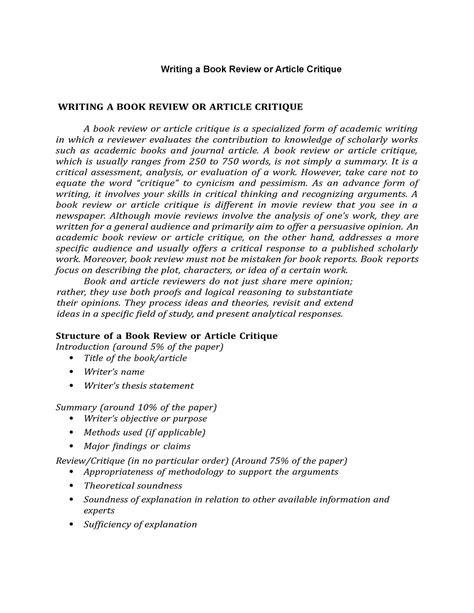
To effectively marry objectivity with critical voice, a robust structure is essential. Consider a template that guides your analysis without stifling your creativity:
1. Introduction: The Hook & Premise
Start with an engaging opening that sets the stage, introduces the game, and hints at the core experience or central critique.
2. Core Gameplay Loop & Mechanics
Objectively describe how the game plays, its systems, and controls. Follow this with your critical assessment of their effectiveness, innovation, and fun factor.
3. Technical Performance & Presentation
Detail the game’s performance (bugs, framerate, optimization) and visual/audio fidelity. Offer your critique on how these elements enhance or detract from the overall experience.

4. Narrative, World-building & Themes
Summarize the story, characters, and world. Critically evaluate their impact, originality, and how they serve the game’s overall design.
5. Value Proposition & Longevity
Discuss the amount of content, replayability, and how the game compares to its price point. Offer a critical perspective on its long-term appeal.
6. Conclusion: The Synthesis & Verdict
Summarize your findings, reiterate your core arguments, and deliver a clear, well-reasoned verdict or recommendation. This is where your overall critical voice should resonate most strongly, providing a final, cohesive perspective.
The Art of Articulation
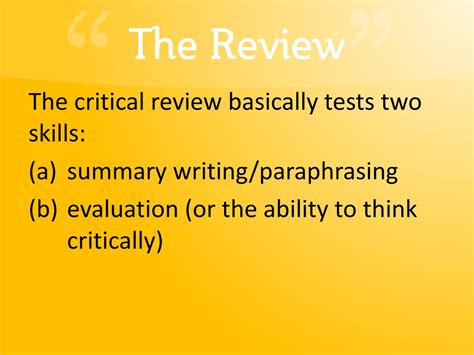
Your distinct critical voice is not just about what you say, but how you say it. Employ evocative language and vivid descriptions that paint a clear picture for the reader, but always ensure your prose is grounded in evidence. Avoid vague statements and instead, cite specific examples from the game to support your claims, whether objective or subjective. Acknowledge potential biases where appropriate (e.g., “As a long-time fan of the series, I found…”), demonstrating self-awareness and building trust with your audience. The goal is to inform, persuade, and entertain, leaving the reader with a comprehensive understanding and a memorable take on the game.
Conclusion
Crafting game reviews that are both objectively sound and distinctively voiced is an ongoing journey of refinement. It requires rigorous analytical skills to break down a game into its constituent parts, combined with the literary flair and critical insight to reassemble those parts into a compelling narrative. By adhering to a clear structure, meticulously evaluating technical aspects, and confidently infusing your unique perspective, you can produce reviews that not only inform but also resonate deeply with your audience, elevating the standard of game criticism one review at a time.